Middle East Peace: A Fragile Hope in Lebanon’s Shadow
A recent ceasefire between Israel and Lebanon offers a hopeful, though fragile, path toward peace. However, historical events, like the assassination of Lebanon's president-elect, show how quickly such hopes can be dashed in the Middle East. The potential meeting between Israeli and Lebanese leaders is a key development to watch.

Middle East Peace: A Fragile Hope in Lebanon’s Shadow
A recent push for a ceasefire between Israel and Lebanon offers a glimmer of hope, but history shows peace in the Middle East is often short-lived. While any step toward peace is welcome, the path forward remains uncertain and fraught with danger.
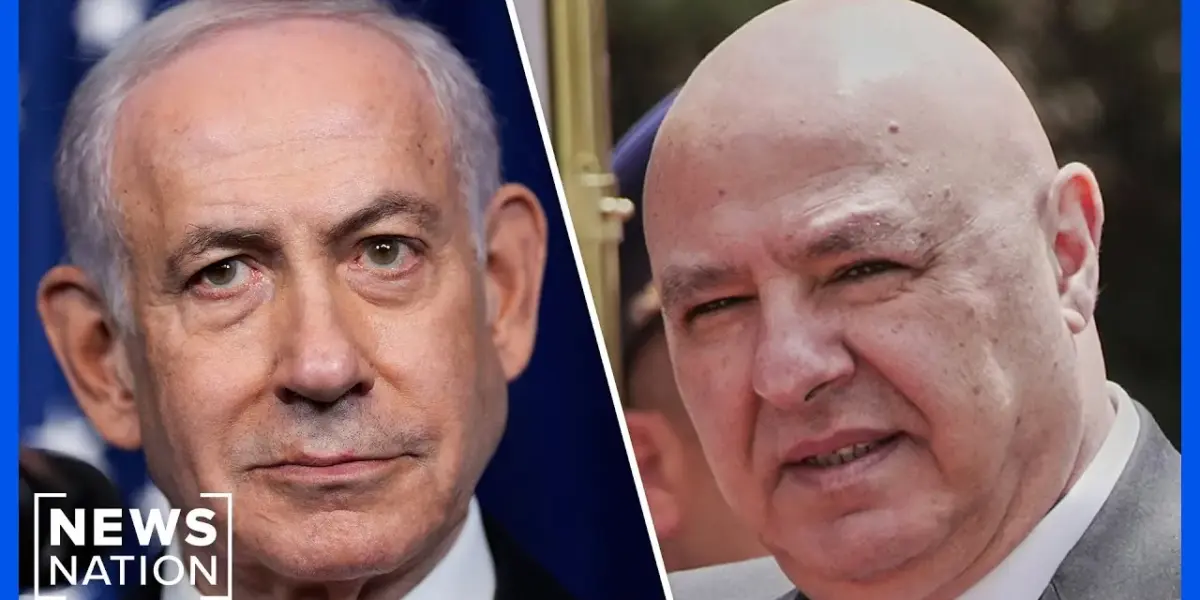
Geraldo Rivera, reflecting on the situation, expressed that a ceasefire in southern Lebanon is likely temporary. He noted that while he supports any move toward peace, whether it will last is unknown. However, he finds it encouraging that the Lebanese president has agreed to meet with the Israeli prime minister.
If this meeting actually happens, it would be a historic event. Rivera recalled his own past experiences in Lebanon during the 1980s. He became friends with the then-president-elect, Bashir Gemayel, a Christian leader who sought to unite all Lebanese people, regardless of their religious background.
Rivera remembered Gemayel as a strong Lebanese nationalist who appealed to Shiites and Sunni Muslims alike. During that period, Rivera felt that peace seemed possible in Lebanon. Gemayel even promised Rivera his first interview as president, a promise he kept even after his election.
Tragically, Gemayel was assassinated just days after his election. This event deeply affected Rivera, illustrating how quickly dreams of peace can be shattered in the region. He described Lebanon as a place where violence is deeply ingrained, a stark contrast to the hopes for a peaceful future.
Why This Matters
The ongoing conflict between Israel and Hezbollah highlights the deep-rooted tensions in the region. Hezbollah, a powerful militant group, poses a constant threat to northern Israel. The Israeli Defense Forces (IDF) are tasked with protecting Israel’s border, leading to a cycle of violence.
Rivera acknowledged President Trump’s optimism regarding the potential for peace. He sees Trump positioning himself as a peacemaker, though he is prepared to act as a warfighter if necessary. Currently, the situation is very uncertain, with everything hanging in the balance.
Rivera prays that the meeting between Netanyahu and the Lebanese president will occur, believing it could be beneficial. He suggested that Trump is putting pressure on both leaders, hoping for a breakthrough similar to the Camp David Accords brokered by Jimmy Carter. These accords led to peace between Egypt and Israel.
Despite this small bit of optimism, Rivera cautioned that the entire situation could collapse quickly. The story of Gemayel’s rise and fall is a powerful reminder of the fragility of peace in this volatile part of the world. The deep-seated nature of the conflict makes lasting solutions incredibly difficult to achieve.
Historical Context and Future Outlook
The Israeli-Lebanese border has been a flashpoint for decades. The presence of Hezbollah, supported by Iran, adds another layer of complexity to the conflict. Hezbollah’s military capabilities and its stated goals often put it at odds with Israel’s security concerns.
Past attempts at peace have often been derailed by unforeseen events or a lack of sustained commitment. The dream of a stable and peaceful Lebanon, where all citizens can coexist, has been repeatedly challenged by internal divisions and external pressures. The cycle of violence is difficult to break.
The current ceasefire, if it holds, could be a small step. However, the underlying issues that fuel the conflict remain unresolved. These include political instability in Lebanon, the ongoing influence of regional powers like Iran, and Israel’s security needs.
The potential meeting between the Israeli and Lebanese leaders is a significant development. It shows a willingness to engage, even if the outcomes are uncertain. The international community, including the United States, is watching closely, hoping for a de-escalation of tensions.
The future outlook depends heavily on the actions of the leaders involved and the broader geopolitical forces at play. A lasting peace will require more than just a temporary ceasefire; it will need genuine dialogue, compromise, and a commitment to addressing the root causes of the conflict. The next few weeks will be critical in determining whether this fragile hope can be sustained.
Source: Peace hard to get in the Middle East: Geraldo Rivera on Israel-Lebanon ceasefire (YouTube)

Related Articles
President’s Iran Stance Sparks Global Debate with Pope
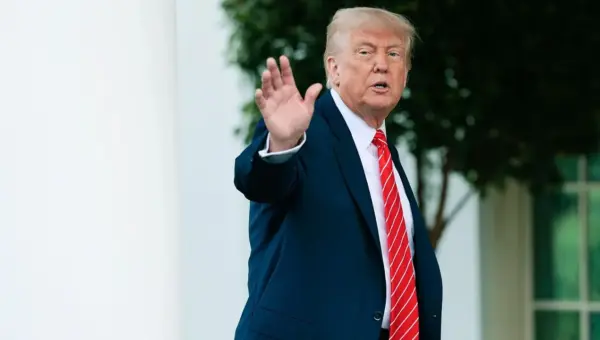
The President detailed his strong opposition to Iran obtaining nuclear weapons, citing a powerful blockade and ongoing negotiations as key strategies. He also expressed optimism about a potential peace deal between Lebanon and Israel, highlighting diplomatic efforts in the Middle East.
NJ Special Election Tests Shifting Democratic Views on Israel
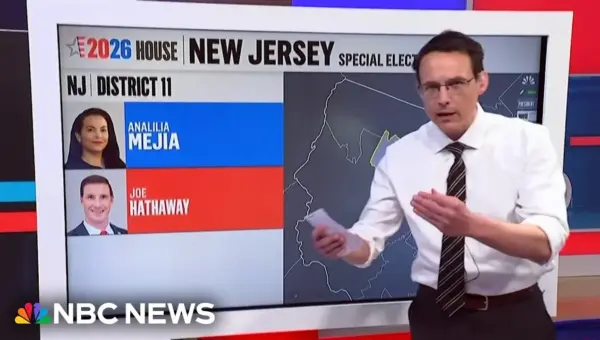
A special election in New Jersey's 11th Congressional District is drawing national attention as it could signal a significant shift in the Democratic Party's views on Israel. The race features a progressive candidate, Ana Lilya Mejia, who has been critical of Israel's policies. This election is being closely watched to see if Democratic voters will support a candidate with Mejia's outspoken stance, with results expected late Tuesday night.
Pentagon Defends Pastor, Trump Rallies on Iran Peace Deal
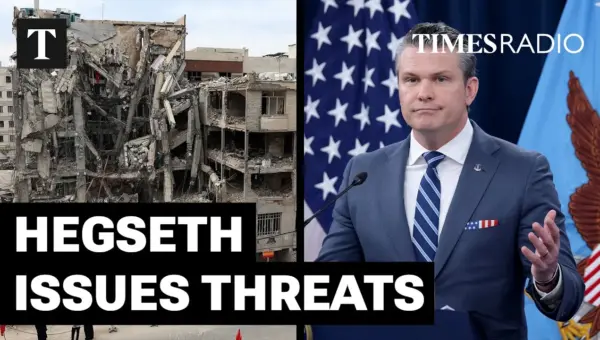
Defense Secretary Pete Hegseth is facing impeachment calls over his aggressive rhetoric towards Iran, which Democrats describe as potentially criminal. Meanwhile, President Trump announced progress on a deal with Iran regarding its nuclear program and a ceasefire between Israel and Lebanon, though some of these announcements appeared to surprise allies. The Pentagon is defending Hegseth's controversial sermon, which included a quote famously from the movie "Pulp Fiction."