US Army Showcases Elite Skills Amid Global Tensions
The U.S. Army's Infantry Week at Fort Benning showcased elite soldier skills through intense competitions. This event served as a global demonstration of U.S. military readiness and dedication during a time of heightened international conflict and troop deployments.

US Army Showcases Elite Skills Amid Global Tensions
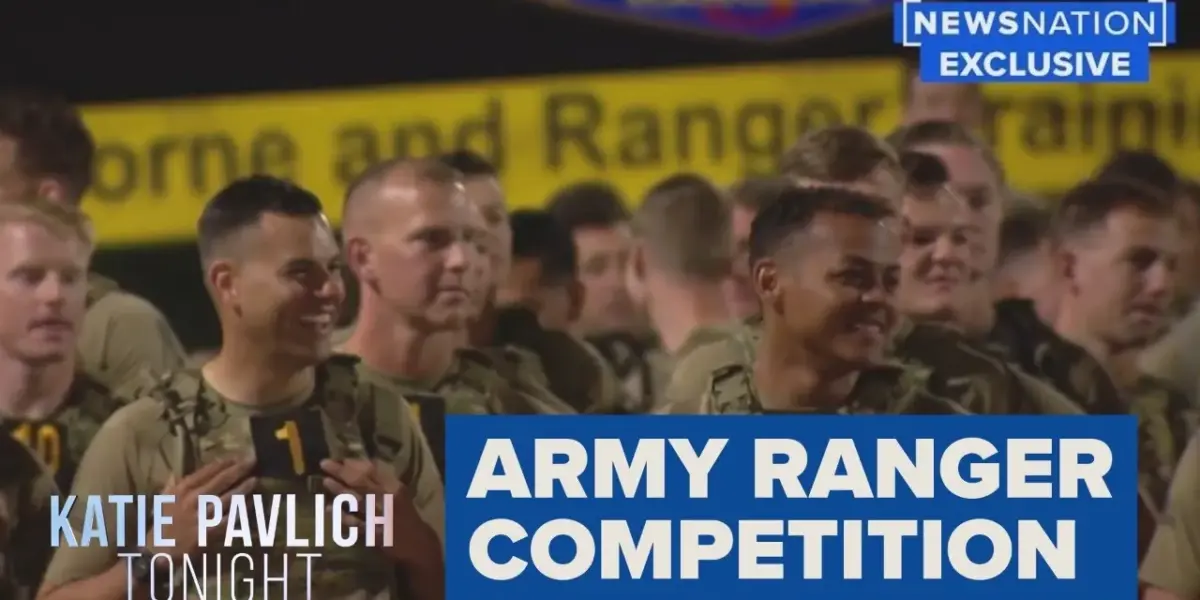
In a display of readiness and dedication, the U.S. Army recently held its annual Infantry Week at Fort Benning, Georgia. This event brought together hundreds of soldiers from across the globe, including units from Germany and Italy, to compete in a series of grueling challenges. More than 120 soldiers pushed their physical, mental, and technical limits over 60 continuous hours. The competition served as a powerful symbol to the rest of the world of the U.S. Infantry’s preparedness during a time of significant global conflict.
Elite Competition Tests Soldiers’ Mettle
Infantry Week is often described as the “U.S. Army Olympics,” featuring five demanding events. These include top sniper competitions, mortar squad challenges, close combat drills, jump master evaluations, and a demanding run. Soldiers raced against the clock and each other, crawling, running, scaling obstacles, and even jumping from aircraft. The goal was not just to win, but to prove they are the best of the best.
The sniper event requires pinpoint accuracy, with targets set up over eight football fields away. Competitors must account for wind and their own skill. Jump master candidates are judged on their ability to prepare paratroopers for jumps, often from aircraft flying as low as 1,000 feet. Mortar teams demonstrated advanced math skills to hit targets up to four miles away with 120mm mortars. These events highlight the technical expertise and intense training required of modern infantry.
Honoring Sacrifice and Building Readiness
Beyond the competition, Infantry Week serves as a tribute to the soldiers who came before them. It honors those who sacrificed their lives for their country. The event underscores the deep commitment of military members and their families. This dedication is seen as crucial for national security, especially with tens of thousands of U.S. troops currently on standby for potential deployment in the Middle East.
Results Showcase Top Units
The competition concluded with several units earning top honors. Winners of the Best Ranger competition came from the Second Battalion, 75th Ranger Regiment, based in Washington. The best mortar team represented the Second Cavalry Regiment from their base in Vilseck, Germany. Fort Benning’s own Airborne and Ranger Training Brigade produced the jump master champions. The 101st Airborne Division, known as the “Screaming Eagles,” won the Octagon event, and the U.S. Corps of Engineers took home the award for best neighbors. These victories highlight the diverse skills and reach of the U.S. Army.
Global Impact and Strategic Signaling
Infantry Week is more than just a friendly contest; it is a clear signal of the U.S. military’s ongoing commitment to readiness and capability. In an era marked by complex geopolitical challenges and active conflicts in various regions, showcasing such elite training demonstrates strength and deterrence. The participation of international units, though not detailed in this account beyond their presence, typically fosters interoperability and strengthens alliances. The event reinforces the idea that the U.S. Army is prepared to meet threats anywhere in the world.
Historical Context and Evolving Warfare
The tradition of military competitions dates back centuries, often used to hone skills and build esprit de corps. Infantry Week echoes these historical practices but is adapted to the demands of modern warfare. Events like mortar challenges and sniper competitions reflect the need for precision and advanced technology on the battlefield. The emphasis on physical and mental endurance harks back to the foundational requirements of military service, proving that even with advanced technology, the human element remains critical.
Economic and Strategic Considerations
While Infantry Week itself is not directly tied to economic sanctions or trade figures, the underlying readiness it represents is crucial for maintaining global economic stability. A strong, prepared military can deter aggression that might disrupt vital trade routes or access to resources. The U.S. military’s global presence, supported by such training, underpins international security agreements that facilitate global commerce. The cost of maintaining this readiness, however, is significant, representing a substantial portion of the national budget.
Future Scenarios and World Order
The capabilities demonstrated at Infantry Week are relevant to several potential future scenarios. Increased tensions in the Middle East or renewed competition with major powers could necessitate the deployment of highly trained infantry units. The event underscores the U.S. military’s ability to project power and respond to crises effectively. The continued focus on elite training suggests a strategic outlook that prioritizes maintaining a qualitative edge in military capability, regardless of the evolving global security landscape. This approach aims to ensure U.S. influence and security in a multipolar world.
Source: Infantry Week pits America's best Army Rangers against each other | Katie Pavlich Tonight (YouTube)

Related Articles

US Military Never Leaves Warriors Behind: A Daring Rescue
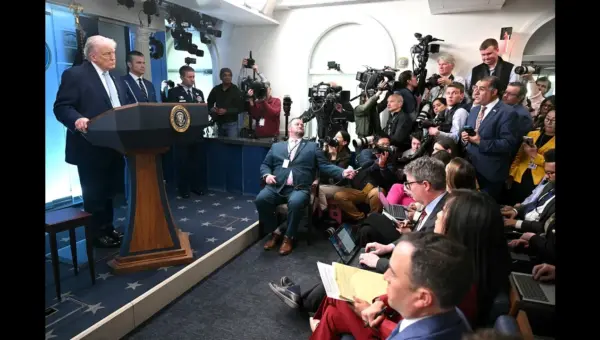
A daring rescue of a downed US jet crew in Iran highlights the military's core principle: leaving no American behind. Retired Lt. Col. Darren Gob details the mission's risks, the complex planning involved, and the vital role of mindset and faith for survival. This commitment reassures service members and underscores national resolve.

Military Leaders Push Back Against Pentagon Purge
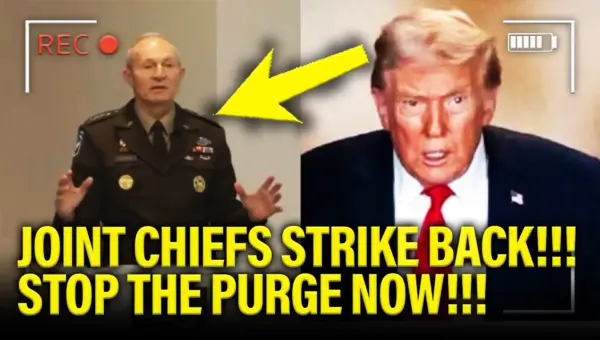
The recent firing of Army Chief of Staff General Randy George by Secretary of Defense Pete Hegsith has sparked controversy and accusations of internal dissent. The Joint Chiefs of Staff issued a statement of support for General George, interpreted by some as a coded rebuke of Hegsith's actions. This event highlights concerns about political interference and paranoia affecting U.S. military leadership during a critical conflict.

US Army Chief Randy George Reportedly Ousted by Defense Secretary
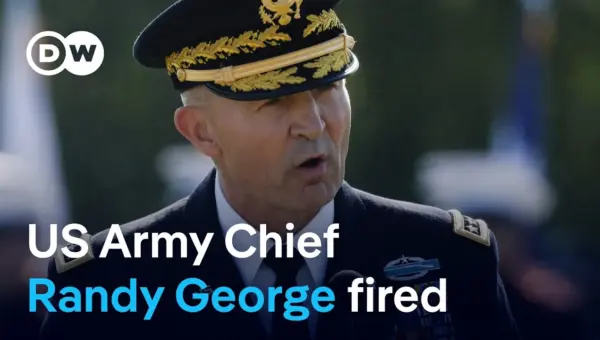
US Defense Secretary Pete Hegseth has reportedly asked Army Chief of Staff General Randy George to step down, sparking speculation about disagreements over promotions. This move is part of a broader trend of senior military leadership changes since Hegseth took office. Experts worry about the long-term impact on military advice and strategy if dissent is discouraged.