DEI Policies Drain Billions from US Economy
A White House report claims Diversity, Equity, and Inclusion (DEI) programs are costing the US economy $94 billion annually due to inefficiencies and reduced productivity. The findings suggest a potential shift towards merit-based systems in government and business.

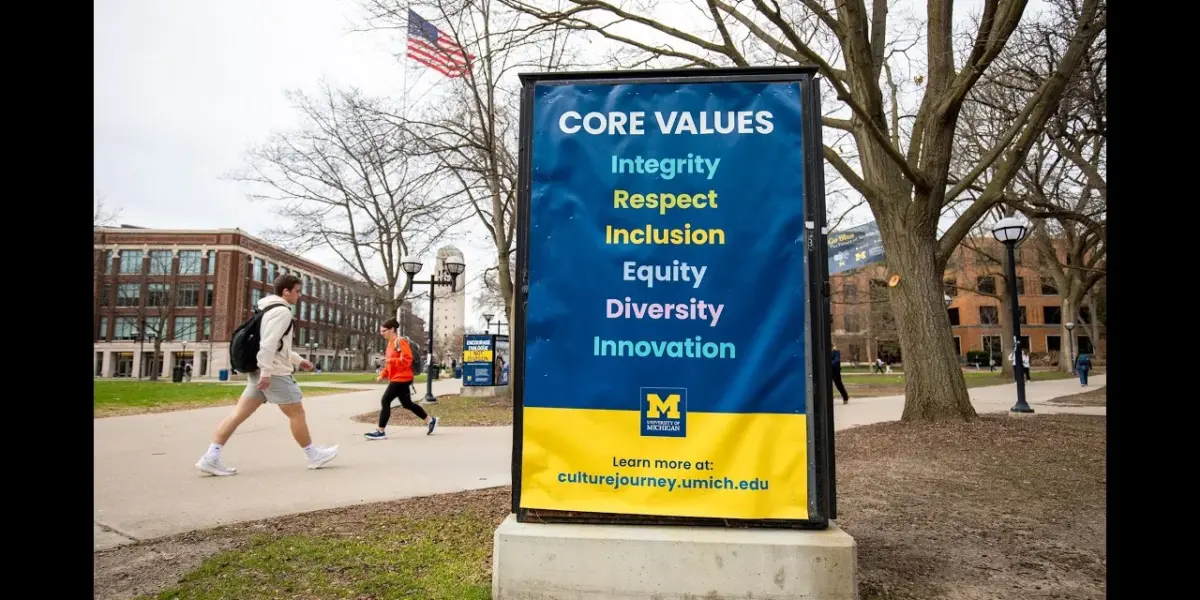
DEI Policies Drain Billions from US Economy
New findings from a White House economic report suggest that Diversity, Equity, and Inclusion (DEI) programs are costing the United States economy a staggering $94 billion each year. This figure translates to a significant financial burden, amounting to over $1,100 annually for households with two working adults. The report argues that the promotion of DEI has led to less efficient management practices, which in turn increases the cost of doing business for companies.
These higher operational costs can force companies that practice DEI to hire fewer employees and offer lower wages to their existing staff. The report highlights a key concern: companies that prioritize hiring and promoting based on race or gender may not always select the most qualified or highest-performing candidates. This practice can result in decreased overall productivity.
Productivity Slips in DEI-Focused Industries
The analysis indicates that industries which have adopted DEI policies are about 2.7% less productive when compared to those that have not. This dip in output can have widespread effects on economic growth and competitiveness.
The report says DEI promotion has led to inefficient management, raising the cost of doing business. These costs lead the companies practicing DEI to hire fewer people and pay their workers less.
Historical Context and Policy Shifts
Former President Trump took swift action upon returning to office, aiming to reverse DEI-related policies across the federal government through an executive order. He stated, “We’ve ended the tyranny of so-called diversity, equity, and inclusion policies all across the entire federal government and indeed the private sector and our military.” His administration’s focus was on merit-based hiring and promotion, emphasizing skill and competence over race or gender.
Further actions included the Supreme Court allowing the Trump administration to end $780 million in DEI grants allocated to the National Institutes of Health. This move signaled a shift away from federal funding for such programs.
Biden Administration’s Expansion and Reversal
In contrast, the report also notes that the Biden administration significantly expanded DEI initiatives within federal agencies. Between 2016 and 2023, the hiring and promotion of individuals based on DEI criteria reportedly increased fourfold. However, the current White House is reportedly rolling back these programs. The goal is to re-establish merit-based systems within government agencies and to cut down on unnecessary government spending.
Why This Matters
This report brings to the forefront a critical debate about the economic impact of DEI policies. While proponents argue that DEI fosters a more inclusive and equitable workplace, leading to broader societal benefits, this economic analysis suggests potential downsides. The core of the argument presented is that a focus on demographic representation, rather than solely on individual merit and skills, can lead to inefficiencies and financial costs for both businesses and the economy as a whole.
Implications, Trends, and Future Outlook
The findings raise important questions about how organizations balance the goals of diversity and inclusion with the demands of economic efficiency and productivity. If these findings hold true, businesses and policymakers may need to re-evaluate the implementation and scope of DEI programs. The trend suggests a potential shift back towards performance-driven metrics, especially in government roles, as agencies seek to optimize spending and effectiveness.
The future outlook will likely involve continued discussion and research into the measurable economic effects of DEI. It is possible that new approaches to DEI will emerge, ones that aim to achieve inclusivity without incurring significant economic penalties. Companies might seek to integrate DEI principles in ways that enhance, rather than detract from, productivity and profitability. This could involve focusing on inclusive hiring practices that still prioritize skill and competence, ensuring that all qualified candidates have a fair opportunity.
The debate over DEI’s economic impact is far from over. As more data becomes available, we can expect a clearer picture to emerge regarding the long-term consequences of these policies on the US economy.
Source: Diversity, Equity, Inclusion Policies Costing US Economy $94 Billion Annually: White House Report (YouTube)

Related Articles


Trump’s Trade Wars Fueled Inflation, Fed Report Claims
A new Federal Reserve report links Donald Trump's trade wars to increased inflation since January 2025. Economists claim prices would have fallen to pre-pandemic levels without these tariffs. This finding highlights the significant consumer cost of protectionist trade policies.


Economy Crumbles: Americans Can’t Afford Basics
A significant majority of Americans report that their incomes can't keep up with rising prices, forcing cutbacks on essentials and reliance on credit. This economic strain is highlighted by data showing a widening gap between wages and inflation.


Trump’s Economy Faces Recession Warnings Amid Global Fears
Global recession fears are intensifying as the IMF issues stark warnings, while a Harvard academic predicts a trillion-dollar taxpayer burden for the U.S. The Trump administration, however, continues to project optimism, creating a notable contrast with expert analyses. This divergence highlights critical questions about economic preparedness and the potential impact of global instability on American taxpayers.