Ukrainian Refugees Face Violence Abroad
Dozens of Ukrainian refugees have faced violence in host countries since 2022, with incidents reported from Poland to the United States. Factors like limited resources, language barriers, and the psychological impact of war contribute to their vulnerability. The tragic case of Arena Zeritzka in North Carolina highlights these dangers.


Ukrainian Refugees Face Violence Abroad
Since Russia’s full-scale invasion began in 2022, over 7 million Ukrainians have fled their homeland seeking safety. While many have found refuge in neighboring countries and further afield, a disturbing trend of violence against these displaced individuals has emerged. Reports indicate dozens of attacks on Ukrainian refugees in countries ranging from Poland to the United States, raising serious questions about their vulnerability.
One case that gained significant attention involved Arena Zeritzka, a 23-year-old refugee from Kyiv. She was tragically killed by a stranger in North Carolina in August.
The attacker has since been evaluated and found mentally unfit to stand trial. Zeritzka’s death became a focal point for political debate in the United States, with differing accusations between political groups regarding how her case was being handled and perceived.
Understanding the Scope of the Issue
The number of Ukrainian refugees is immense. Over 5 million individuals continue to live outside Ukraine, relying on the hospitality and security of host nations. This large population group, uprooted by war, faces unique challenges that can unfortunately make them targets.
The attacks are not confined to a single region. Incidents have been reported in countries close to Ukraine, like Poland, which has hosted millions of refugees.
The violence has also reached as far as the United States, highlighting the widespread nature of the problem. These attacks, while seemingly unrelated, share a common thread of targeting vulnerable individuals who have already suffered immense trauma.
Vulnerability Factors for Refugees
Several factors can contribute to the vulnerability of refugees, making them potential targets for crime. Often, refugees arrive in new countries with limited resources, including financial means and knowledge of local laws and customs. This can make them susceptible to exploitation or make it harder for them to seek help when they are victimized.
Language barriers can also play a significant role. Difficulty communicating effectively can hinder refugees from reporting crimes, accessing legal support, or even understanding warnings about potential dangers.
This isolation can make them easier targets for those looking to prey on vulnerable populations. The psychological toll of war and displacement also cannot be ignored, potentially impacting an individual’s ability to assess risks or cope with stressful situations.
Broader Implications and Context
The attacks on Ukrainian refugees underscore a broader challenge faced by displaced persons worldwide. When large populations are forced to flee conflict, host countries must be prepared to offer not only shelter and resources but also robust security and social support systems. The incidents also highlight the need for increased awareness and sensitivity towards refugee communities, countering misinformation and xenophobia that can sometimes fuel such violence.
The case of Arena Zeritzka, while tragic and politically charged, is a clear reminder of the real dangers faced by individuals seeking safety abroad. It is a complex issue with no easy answers, requiring attention from both government agencies and civil society to ensure the protection of those displaced by war.
The ongoing conflict in Ukraine means that the number of refugees seeking safety is likely to remain high. Continued vigilance and proactive measures will be crucial in addressing the safety concerns of this displaced population.
Source: Why Ukrainian refugees are attacked abroad | Ukraine This Week (YouTube)

Related Articles

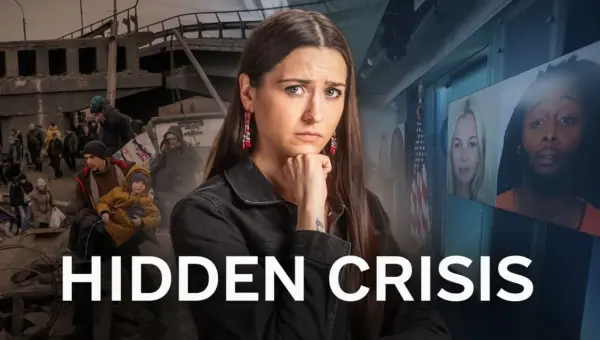
Ukrainian Refugees Face Violence Abroad Amid War
Ukrainian refugees are increasingly becoming victims of violent crimes abroad, a trend fueled by displacement, lack of support, and shifting political sentiments. Attacks in the U.S. and Europe highlight the vulnerability of those fleeing the ongoing war.


Ukraine Strikes Russian Oil Hub, Europe Boosts Defense
Ukraine is striking Russian oil infrastructure, impacting its economy and signaling stalled invasion progress. Meanwhile, European nations are significantly boosting defense aid and drone production for Ukraine, indicating a growing commitment to regional security.


Pope Francis’ Africa Trip Highlights Cameroon Crisis
Pope Francis concluded his third foreign trip to four African nations, including Cameroon, Angola, Algeria, and Equatorial Guinea. The Pontiff used his visit to draw global attention to the ongoing separatist insurgency in western Cameroon, a conflict that has caused thousands of deaths and displaced over half a million people. A heartwarming moment occurred when a young girl ran to embrace the Pope, symbolizing the deep human connection he inspires.