Iran Lacks Power, Seeks New Deal Amid Strait of Hormuz Tensions
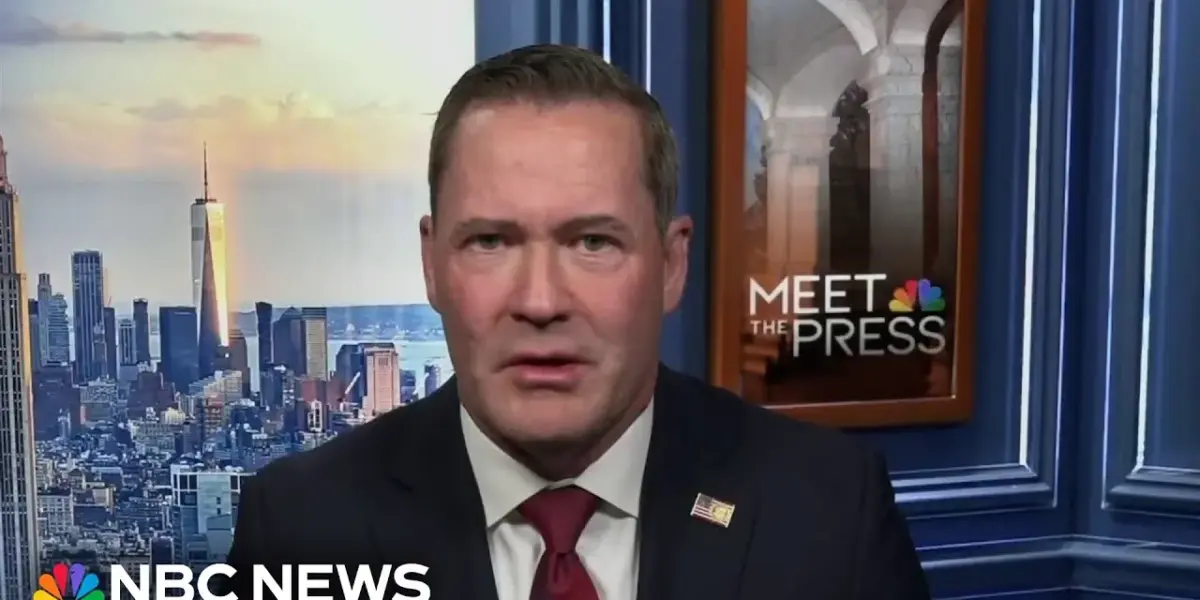
U.S. Ambassador Mike Waltz stated Iran is isolated and seeking a new deal due to economic pressure and international condemnation. He emphasized the Strait of Hormuz is an international waterway, not subject to Iranian closure, and the U.S. Navy will ensure its safety. Waltz also defended potential military actions against Iranian infrastructure, calling it a response to Iran's own weaponization of civilian areas.

Iran Isolated, Seeks New Deal Amid Hormuz Tensions
In a candid interview, U.S. Ambassador to the United Nations Mike Waltz stated that Iran is increasingly isolated and economically struggling. He believes this pressure is forcing the Iranian regime back to the negotiating table for a new deal. The Ambassador highlighted confusion within Iran’s leadership regarding the Strait of Hormuz, with conflicting statements from its Foreign Minister and the Islamic Revolutionary Guard Corps (IRGC) about whether the waterway is open or closed.
“Regardless, it’s the U.S. Navy and President Trump as the Commander in Chief that decides what ultimately comes in and comes out,” Waltz asserted. He emphasized that Iran cannot hold the global economy hostage or impose collective punishment due to disputes over its nuclear program. This stance was supported by a record 135 countries joining the U.S. and its Gulf Arab allies in condemning Iran’s attacks on civilian infrastructure.
Strait of Hormuz: An International Waterway
Ambassador Waltz clarified that the Strait of Hormuz is an international waterway, and any attempt by Iran to claim it as its own violates international law. He assured that the U.S. Navy, along with Gulf Arab allies, will ensure the strait remains safe and open for global commerce. He noted that while European nations have discussed the issue, they have not yet provided tangible capabilities.
The Ambassador stressed the importance of keeping international waterways open, comparing the Strait of Hormuz to others like the Strait of Gibraltar. “This is really a favor to the world in many ways because when we’re doing in ensuring that it stays open is ensuring that the economies of Asia, Europe and elsewhere are main — maintain their supplies and are active,” he said. He also pointed out the humanitarian aspect, noting that aid agencies rely on open routes for delivering food and fertilizer to crisis-stricken regions in Africa.
Escalation Strategy and “War Crime” Rhetoric
Addressing the potential expiration of a ceasefire agreement with Iran, Ambassador Waltz stated that all options are on the table. He defended President Trump’s position, pushing back against claims that targeting Iranian infrastructure would constitute a war crime. “We have a long history of taking down bridges, power plants and other infrastructure that is powering Iran’s military,” Waltz explained.
He countered that Iran itself has a history of conflating civilian and military assets, hiding weapons in schools and hospitals, which he described as a war crime. Waltz asserted that any infrastructure used to support military hardware or power Iran’s “war economy” – a significant portion of which is controlled by the IRGC – is a legitimate target. He believes President Trump is responsibly escalating the situation to de-escalate the conflict until Iran agrees to a responsible deal.
Nuclear Red Lines and Sanctions Policy
Regarding Iran’s nuclear program, Waltz reiterated President Trump’s clear red lines: Iran cannot possess 60% highly enriched uranium, which is close to weapons-grade. He also stated that Iran cannot enrich uranium to that level or enrich it at all. He confirmed that the U.S. team, likely including Vice President Pence, is engaged in ongoing negotiations with Iran.
The Ambassador also addressed sanctions on Russia, clarifying that waivers allowing certain oil to move were for oil already on the water before a specific date. He argued that the administration has taken a tough stance, imposing sanctions on Russia’s top oil providers and noting Iran’s loss of a key military partner in Russia, its biggest drone provider. Waltz highlighted decisive actions taken against Iran’s oil sector, including secondary sanctions on banks and targeting a large tanker fleet, as part of an “economic fury” strategy.
Israel-Lebanon Ceasefire
Waltz commented on the recent ceasefire between Israel and Lebanon, stating that both President Trump and Prime Minister Netanyahu were in communication. He expressed optimism that this ceasefire would give the Lebanese government a chance to assert its sovereignty and address Hezbollah. He described the negotiations as historic and highlighted the potential for positive change in the region, especially with Iran facing significant pressure.
He concluded by stating that Iran has a choice: to become a responsible member of the international community or remain a rogue regime. The U.S. administration, under President Trump, is proactively addressing these issues unlike previous administrations. The focus remains on preventing Iran from acquiring nuclear weapons and ensuring global economic stability.
Source: Amb. Mike Waltz says Iran doesn't 'have the cards,' will seek new deal: Full interview (YouTube)

Related Articles

Iran Shuts Strait of Hormuz, Escalating Tensions With U.S.
Iran has closed the Strait of Hormuz, a vital global shipping lane, and fired on ships. The U.S. is pushing back, ready to board Iranian vessels. This escalation comes as a ceasefire nears its end, with Iran's nuclear program remaining a key point of contention.

Trump Sends Negotiators to Pakistan for Iran Talks
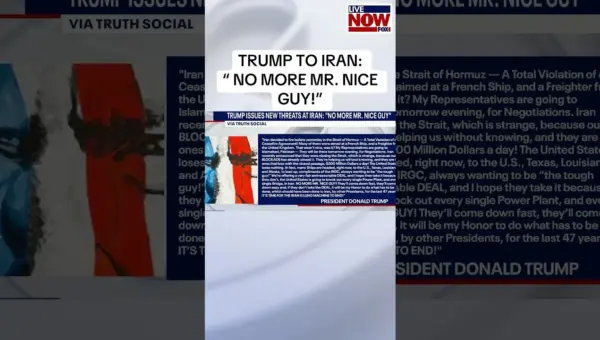
President Trump announced Sunday that U.S. negotiators are heading to Pakistan for talks with Iran regarding a potential deal. The announcement followed a strong statement from Trump condemning Iran's actions in the Strait of Hormuz and issuing an ultimatum regarding its nuclear program.

Congressman Calls Iran’s Regime ‘Demonic’ Amid Tensions
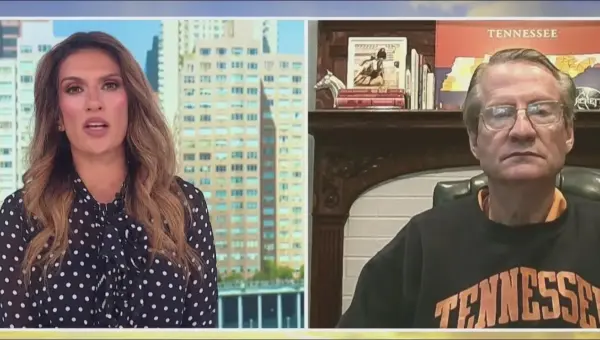
Congressman Tim Burchett described Iran's regime as "demonic" and "savage" during a recent interview. He expressed strong concerns about Iran's nuclear ambitions and the effectiveness of current international alliances. Burchett believes the regime represents a small portion of the Iranian people and that it will eventually fall.