Trump’s Pope Attacks Backfire, Exposing Political Missteps
Donald Trump's recent attacks on Pope Francis have backfired, revealing a significant drop in his popularity, especially among Catholics. Polling shows the Pope is far more popular than Trump. This strategy, coupled with concerns about Trump's mental fitness and controversial social media posts, is alienating voters and raising questions about his leadership.

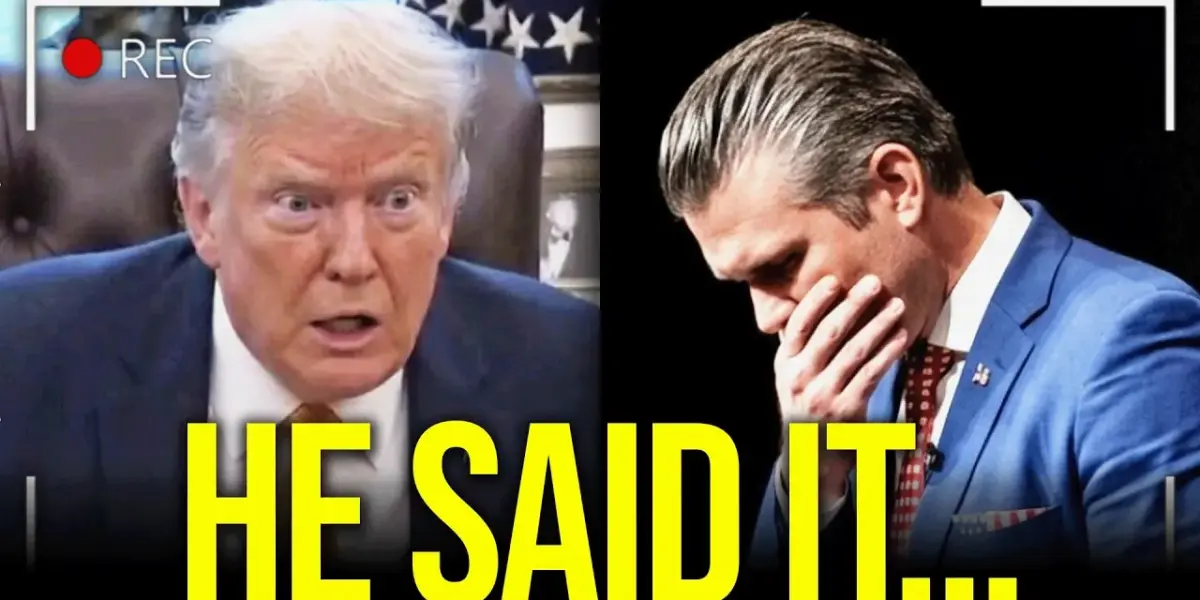
Trump’s Pope Attacks Backfire, Exposing Political Missteps
Donald Trump’s political strategy seems to be unraveling, with even some strong supporters questioning his recent actions. This is especially true concerning his public clashes with Pope Francis. These conflicts appear to be alienating voters and damaging his standing, particularly among Catholics.
Recent polling data highlights a stark contrast in popularity between Pope Francis and Donald Trump. Across the American public, the Pope enjoys a significant net popularity rating of plus 34.
In comparison, Donald Trump’s rating stands at a negative 12. This nearly 50-point difference shows a massive gap in public favor.
Catholic Support Declines
The situation is even more pronounced among American Catholics. While Trump once held a strong lead over Kamala Harris among this group in November 2024, his support has dramatically dropped.
He now trails by four points, marking a nearly 25-point swing. This decline suggests a significant loss of trust and support within a key demographic.
This shift indicates a serious miscalculation by Trump’s campaign. Attacking a widely respected figure like the Pope seems to be a risky move that is not paying off. It suggests a potential burning of political capital that was built over the past year.
The Pope’s Stance and Trump’s Response
Pope Francis has spoken out on various issues, including war, crime, and the distribution of wealth. He has also cautioned against using religion for political or military gain. His messages often focus on peace, justice, and compassion.
Donald Trump, however, has responded by accusing the Pope of being liberal and weak on crime. He has also criticized the Pope’s views on nuclear weapons and has suggested the Pope is too involved in political matters. Trump has even posted controversial images, including one depicting himself as Jesus Christ, which many found offensive.
Historical Context: Religion and Politics
Throughout American history, religion has often played a role in politics. Candidates frequently appeal to religious voters, and discussions about faith are common. However, direct attacks on major religious leaders, especially by presidential candidates, are rare and often viewed as politically damaging.
The current situation stands out due to the directness and intensity of Trump’s criticism of the Pope. This is not a subtle disagreement; it’s an open confrontation that has drawn widespread attention and commentary.
Concerns Over Mental Fitness and Competence
Beyond the political strategy, questions have been raised about Donald Trump’s mental fitness and cognitive abilities. Some observers point to his public statements, his tendency to ramble, and his recent social media posts as evidence of decline. There have also been observations about his physical appearance, such as the amount of makeup he appears to wear, leading to speculation about underlying issues.
During a congressional hearing, a witness was pressed on whether he shared concerns about the President’s mental health. The witness repeatedly avoided answering the question directly, focusing instead on other points. This evasion has led some to believe that concerns about the President’s mental faculties are widespread but not being openly addressed.
The 25th Amendment and Political Loyalty
The discussion around Trump’s fitness has even led some prominent figures, like Marjorie Taylor Greene and Alex Jones, to call for the invocation of the 25th Amendment. This amendment allows for the removal of a president who is unable to perform their duties. The fact that such calls are being made by individuals previously seen as staunch supporters highlights the growing unease.
Many of Trump’s remaining loyalists continue to defend him, even when he attacks widely respected figures. However, this unwavering support, even in the face of what many see as political blunders, is viewed by critics as enabling behavior that is detrimental to the nation.
Pete Hegseth’s Misstep
Adding to the controversy, Pete Hegseth, a known conservative commentator, recently delivered a speech that included a passage he presented as a Bible quote. However, it was later revealed that the quote was actually from a movie scene. This error, widely reported and mocked, further fueled criticism about the competence and authenticity of those surrounding Trump.
This incident, coupled with Trump’s own controversial posts, suggests a broader pattern of misrepresentation and a disconnect from reality within certain political circles. It raises questions about the judgment and decision-making of individuals in positions of influence.
Why This Matters
The ongoing conflict between Donald Trump and Pope Francis, along with the surrounding controversies, matters because it reveals significant trends in political discourse and leadership. It highlights the potential dangers of aggressive, divisive rhetoric, especially when it targets universally respected figures. The decline in support among key demographics, like Catholics, shows that even strong bases can be eroded by perceived missteps.
The discussions about mental fitness and the use of religious imagery raise important questions about the qualifications and stability of those seeking or holding high office. The willingness of some figures to overlook or defend questionable behavior also speaks to the polarization of modern politics.
Implications and Future Outlook
The future outlook suggests continued scrutiny of Donald Trump’s actions and statements. The Pope’s willingness to speak out on moral and ethical issues, even if interpreted as political by some, could inspire a resurgence of engagement within religious communities. The challenge for Trump will be to regain lost support and navigate these criticisms without further alienating voters.
The trend of political figures using religious themes or figures for political gain is likely to continue. However, the backlash seen in this instance could serve as a cautionary tale. Future political strategies may need to be more nuanced and less confrontational, especially when engaging with religious leaders and their followers.
Conclusion
The recent controversies surrounding Donald Trump’s attacks on Pope Francis and his own controversial posts paint a picture of a campaign struggling with strategy and public perception. The evidence suggests that these actions are not helping Trump’s political standing, and in fact, may be actively harming it, particularly among crucial voting blocs.
The coming months will reveal whether this strategy can be course-corrected or if it will continue to be a significant liability. The public’s attention will remain fixed on how these dynamics play out in the broader political arena.
Source: Hegseth Screws Trump with 25th Amendment Evidence (YouTube)

Related Articles
Trump’s Claims Crumble Amid War and Court Setbacks
Donald Trump's claims about international deals and national security face scrutiny amid war escalations and court losses. Legal challenges, including a blocked ballroom construction and a potential $10 billion taxpayer settlement, raise questions about accountability and priorities.
Pope Seeks to Cool Trump Tensions, Focuses on Peace Message
Pope Leo is seeking to de-escalate tensions with US President Donald Trump, stating his message is about peace and the gospel, not political debate. Vatican correspondent Colleen Daly believes the Pope views Trump's commentary as a distraction. The dispute arose after the Pope criticized the war in Iran, leading to sharp responses from Trump and his administration.
Harris Blames Netanyahu for Pulling Trump Into Iran War
Vice President Kamala Harris accused Israeli Prime Minister Benjamin Netanyahu of drawing Donald Trump into a war. Speaking in Detroit, Harris argued this conflict, which she says Americans oppose, put service members at risk and raised gas prices. Her remarks come as Democrats look towards the 2028 presidential election.