US Raids Iran Ships as Tensions Skyrocket
The U.S. military is preparing to board Iranian oil tankers amid rising tensions in the Strait of Hormuz. Apache attack helicopters have been deployed, and intelligence suggests the tankers may be armed, increasing the risk of confrontation. Iran has issued defiant warnings, stating the strait remains closed and threatening any vessels associated with its enemies.

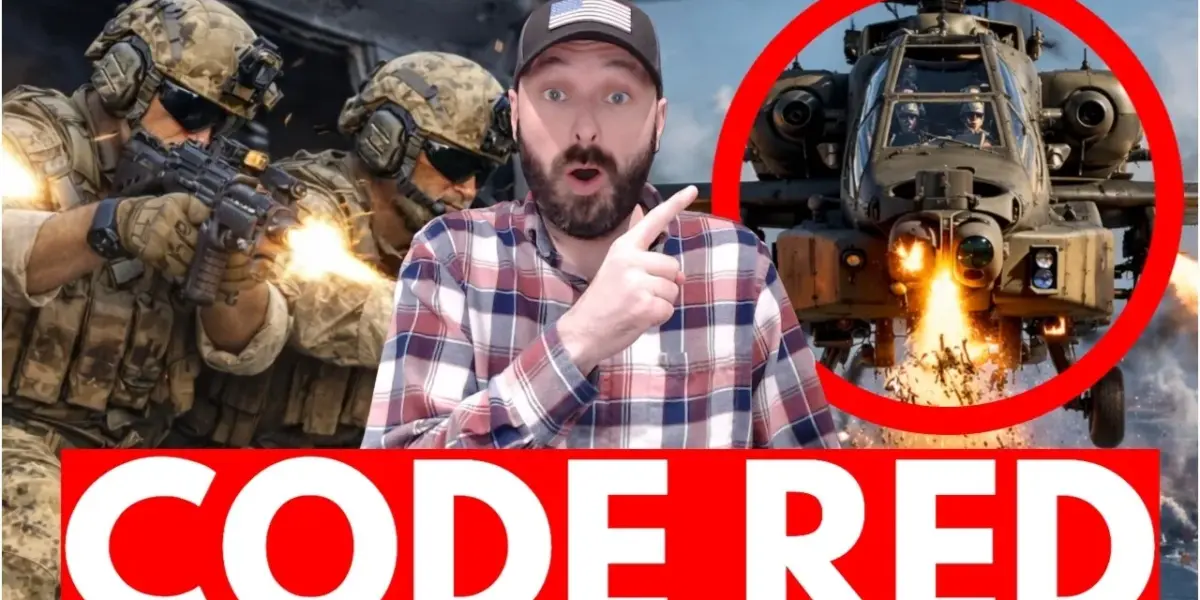
US Military Prepares Aggressive Action Against Iranian Vessels
Reports suggest the U.S. military is gearing up for bold operations targeting Iranian-linked oil tankers and cargo ships. This comes as U.S. attack helicopters, specifically the AH-64 Apache, have been moved into the Strait of Hormuz. These actions follow alleged attacks by Iran on multiple vessels in the crucial waterway.
Escalating Tensions in the Strait of Hormuz
The situation in the Strait of Hormuz has become extremely tense. The U.S. is reportedly planning to board and seize commercial ships connected to Iran.
This strategy mirrors past operations involving Venezuelan and Russian tankers, aiming to cut off Iran’s oil revenue. However, officials warn this mission will be significantly more dangerous.
Potential for Heavy Resistance
Unlike previous seizures, intelligence suggests these Iranian tankers may be armed. Reports indicate the presence of men with rocket-propelled grenades and machine guns.
Boarding operations, which require helicopters to hover, could make them stationary targets, similar to the risks seen in the Battle of Mogadishu, also known as Black Hawk Down. U.S. forces, including Navy SEALs, Coast Guard, and Marines, are trained for such high-risk missions.
Iran’s Defiant Stance
Iran, particularly the Islamic Revolutionary Guard Corps (IRGC), has issued strong warnings. An alleged IRGC Navy recording stated that the Strait of Hormuz remains closed and any vessel not seeking permission from Iran would be targeted.
This message indicates the IRGC, rather than political leaders, holds the real power in Iran. Their statements suggest a complete blockade, defying any prior agreements.
“Straight of Hormuz is still closed. We will open it by the order of our leader.
If you want to pass through the street, you must ask permission from Iranian separat. All vessels that have a connection with our enemies will be targeted.”
This defiance suggests that political negotiations may have little impact on the IRGC’s actions. The presence of armed forces and weaponry appears to dictate Iran’s control over the strait.
US Central Command Responds
In response to the escalating situation, U.S. Central Command confirmed the deployment of Apache attack helicopters to the Strait of Hormuz. These powerful aircraft are well-suited for suppressing enemy fire during ship assaults. Their presence signals the seriousness of the U.S. commitment to asserting control and protecting maritime traffic.
White House Emergency Meeting and Future Outlook
The White House convened an emergency meeting to discuss the renewed crisis. Senior U.S. officials indicated that if peace negotiations fail soon, military action could resume in the coming days. President Trump stated he would know by the end of the day if a deal was possible, suggesting a critical deadline is approaching.
Massive Military Mobilization
Alongside diplomatic efforts, there has been a significant military buildup. Extensive airlifts from Europe to the Middle East have been observed, indicating the U.S. is rearming and restocking in preparation for potential conflict. This mobilization suggests a readiness to engage if necessary.
Iran’s Threat of Wider Conflict
Iranian officials have also made strong statements, with one spokesperson claiming Iran will fight to the end and that the Persian Gulf region could cease to exist. Threats include targeting critical infrastructure like desalination plants and oil fields. This rhetoric suggests Iran is prepared to escalate the conflict significantly if attacked, potentially destabilizing the entire region.
“Iran will no doubt control the Syria foremost and it will fight for it and it will succeed. And if the United States escalates, these Arab dictatorships in the Persian Gulf will probably cease to exist.”
These threats highlight the potential for widespread devastation and a broader regional conflict. The situation remains highly volatile, with both sides demonstrating a readiness for confrontation.
Why This Matters
The Strait of Hormuz is a vital global energy chokepoint, with a significant portion of the world’s oil passing through it daily. Any disruption or conflict in this area has immediate and far-reaching economic consequences worldwide. The current standoff risks not only regional stability but also global energy security and prices.
The potential for direct military engagement between the U.S. and Iran, or even a wider regional war, carries immense geopolitical weight. The actions taken in the coming days could set the stage for a prolonged period of heightened tension or a significant escalation.
Historical Context
Tensions between the U.S. and Iran have a long history, particularly since the 1979 Iranian Revolution. The Strait of Hormuz has been a focal point for naval posturing and threats for decades.
Incidents involving attacks on shipping, naval patrols, and the seizure of vessels have occurred periodically, often linked to broader geopolitical disputes and Iran’s nuclear program. The current escalation can be seen as part of this ongoing strategic competition, amplified by recent political developments and alleged provocations.
Future Outlook
The immediate future hinges on the outcome of ongoing negotiations and President Trump’s decision by the end of the day. If diplomacy fails, the U.S. military appears prepared to execute seizure operations, potentially leading to direct confrontation with Iranian forces. The IRGC’s firm stance suggests they will not back down easily, increasing the likelihood of clashes.
The deployment of advanced military assets by both sides highlights the gravity of the situation. The coming days will be critical in determining whether conflict is averted or escalates further, impacting global energy markets and regional stability.
As of April 18th, the U.S. military is preparing to board Iranian tankers, and Apache helicopters are in the Strait of Hormuz, indicating an imminent potential for conflict.
Source: U.S. Military Prepares INSANE Iran Mission – Attack Helicopters FLOOD In (YouTube)

Related Articles

Trump Faces Iran Crisis: Trapped with No Easy Answers
Former President Trump faces a complex crisis with Iran, appearing trapped with limited options. Public opinion and Iran's strategic maneuvering suggest a need for a deal, but leverage is scarce. The situation echoes historical tensions and raises questions about future diplomatic outcomes.

Iran Talks: Why Bolton Thinks Iran Won’t Keep Promises
John Bolton believes Iran has little incentive to honor any deal reached in upcoming peace talks. He argues Iran senses U.S. "panic" and sees President Trump seeking a way out for domestic political reasons, giving Iran significant leverage. Bolton is skeptical of Iran's commitment, citing their history of broken promises.


US-Iran Tensions Escalate Amid Ceasefire Confusion, Naval Showdown
Tensions between the U.S. and Iran are escalating as a critical ceasefire deadline approaches with uncertainty surrounding potential peace talks. A recent naval confrontation saw U.S. Marines seize an Iranian-flagged ship in the Gulf of Oman. Meanwhile, new polling indicates a majority of Americans disapprove of the President's handling of the situation.