Trump’s Memo: A Political Play, Not a Paycheck Promise
A presidential memo intended to pay TSA workers during a shutdown was more political theater than a legal solution. Lacking the constitutional "power of the purse," the memo offered false hope, highlighting the separation of powers and the limits of executive authority.

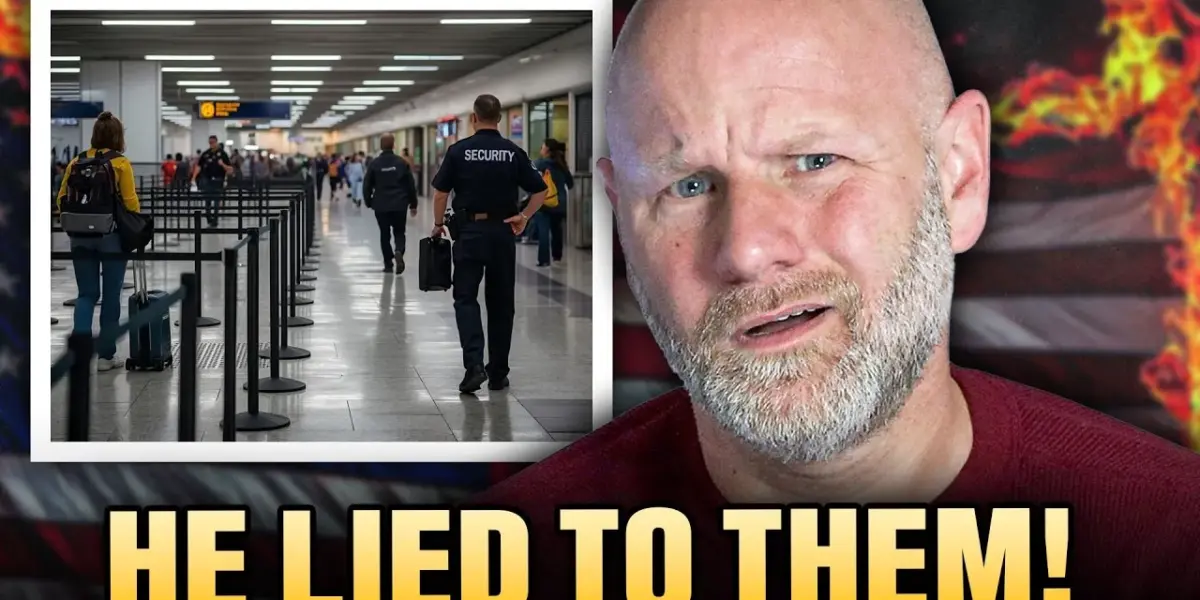
Did Trump Fool TSA Workers?
During a partial government shutdown, then-President Donald Trump issued a memo. He directed the Department of Homeland Security to find money to pay TSA employees. These workers had gone almost two months without pay. The White House presented this as a significant action, even hinting at an executive order. This created the impression that TSA staff would finally receive their overdue paychecks.
The Memo vs. Reality
However, the document was not an executive order. It was simply a memo asking for payment to be made. The crucial issue was that Trump lacked the authority to compel payment. The U.S. Constitution gives Congress, not the President, the power to control government spending. This is often called the “power of the purse.” If Congress hasn’t approved funding, the President cannot simply order money to be paid.
Unfulfilled Hopes and Constitutional Questions
Despite the memo’s limitations, it gave many TSA employees hope. They likely believed their paychecks were imminent. The reality, however, was that the memo could not legally make this happen. The article suggests that this lack of follow-up reporting misled these essential workers. Trump received the political benefit of appearing to solve the problem, even though the underlying issue remained unaddressed by his action.
The President’s Authority on Spending
The memo also directed the government to potentially move money from other areas. This raises further constitutional concerns. The President cannot legally take money that Congress has already allocated for one purpose and redirect it elsewhere. Doing so would overstep the executive branch’s authority and could lead to significant legal challenges.
Why This Matters
This situation highlights a critical tension in American government: the separation of powers. The President leads the executive branch, responsible for carrying out laws. Congress, the legislative branch, writes the laws and controls the money. The judicial branch interprets the laws.
When a President acts in a way that seems to bypass Congress’s authority over spending, it can create confusion and distrust. For TSA employees, this meant their hopes were raised and then dashed. They continued to work without pay, facing real financial hardship. The memo, intended to be a solution, instead became a source of false hope.
Historical Context
The power of the purse has been a fundamental aspect of American government since its founding. The framers of the Constitution were wary of giving too much power to any one branch. They deliberately divided powers, ensuring that the branch that makes laws also controls the money needed to fund those laws. This prevents a President from unilaterally funding pet projects or punishing opponents by withholding pay.
Throughout history, there have been many disputes between the President and Congress over spending. These often involve debates about how much money should be spent, on what, and who should control it. However, the principle that Congress holds the purse strings has remained a cornerstone of the U.S. system.
Implications and Future Outlook
This event serves as a reminder that political actions can have real-world consequences for individuals. It also underscores the importance of understanding the limits of presidential power. When faced with a government shutdown, the ultimate resolution requires agreement between the President and Congress on funding.
Moving forward, such actions may lead to increased scrutiny of presidential memos and directives. Citizens and journalists have a role in verifying the actual authority behind such announcements. Understanding the constitutional framework helps ensure that government actions are both legal and effective. It also protects workers like TSA employees from being caught in the middle of political disputes without proper support.
The future will likely see continued debates about executive versus legislative authority, especially during times of political division. Clear communication and adherence to constitutional boundaries are essential for maintaining public trust and ensuring the smooth functioning of government.
Source: Trump Tricked TSA Employees Into Thinking They’d Get Paid (YouTube)

Related Articles
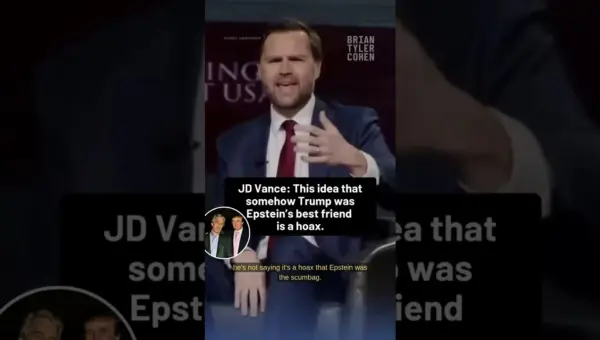
Vance Defends Trump: Epstein Friendship Claim Is A Hoax
Senator JD Vance asserts that claims of Donald Trump being close friends with Jeffrey Epstein are a "hoax." Vance cited emails suggesting a mutual dislike and even Trump reporting Epstein to authorities, arguing this refutes the "best friend" narrative pushed by Democrats.
Trump’s Allies Rebel: Conservatives Slam President’s Policies
Prominent conservative figures and lawmakers are openly criticizing President Trump's policies in 2026, signaling a growing divide within the movement. From Candace Owens questioning the Iran conflict to Senator Rand Paul challenging trade policy, a wave of dissent is challenging the president's agenda.
Trump Threatens Fed Chair Powell, Faces Nomination Blockade
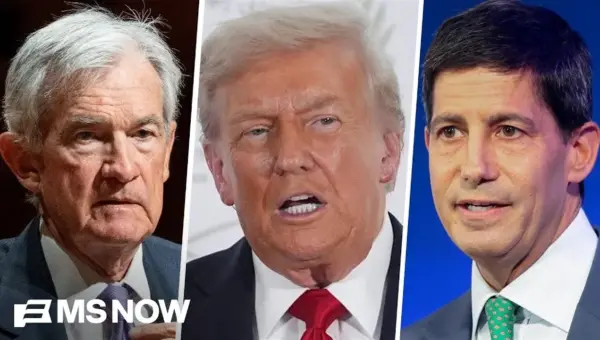
President Trump is threatening to fire Fed Chair Jerome Powell over a renovation probe, creating a political stalemate. Senator Tom Tillis is blocking Trump's nominee, Kevin Warsh, until the investigation concludes. Warsh himself faces scrutiny over his vast personal wealth, estimated between $135-226 million, raising conflict of interest concerns.