Politicians Swear More: Democrats Lead ‘F-Bomb’ Trend
A new analysis reveals politicians are swearing more than ever, with Democrats using curse words more frequently than Republicans. This trend sparks debate over whether the profanity reflects genuine emotion or is a calculated performance to connect with voters.

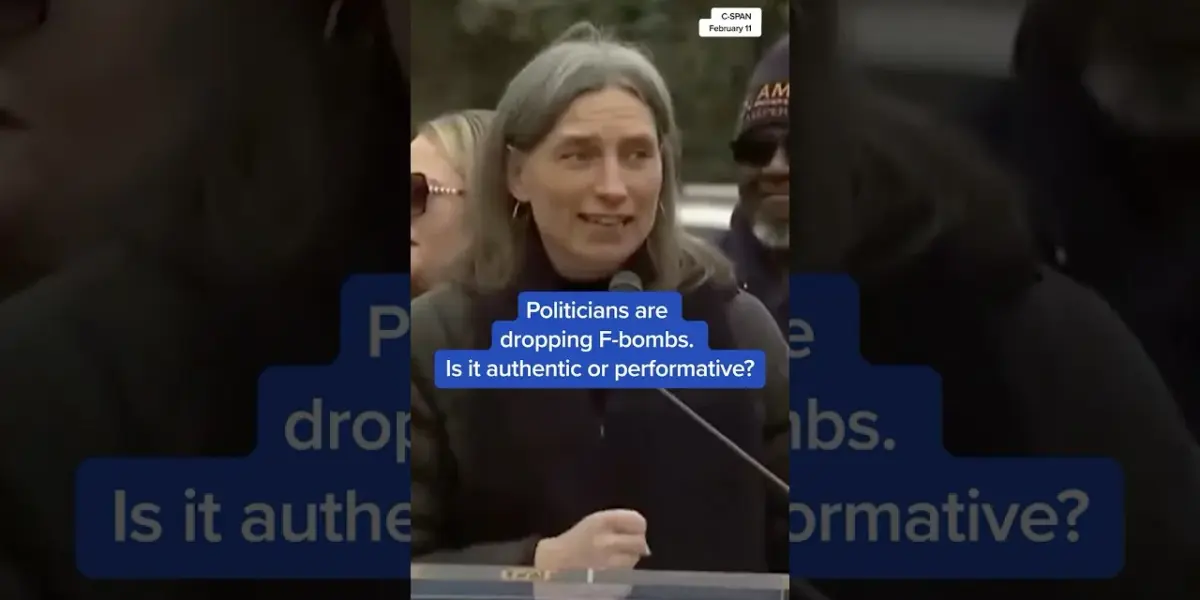
Politicians Swear More: Democrats Lead ‘F-Bomb’ Trend
Politicians are using curse words like never before, according to a recent analysis. This trend shows a significant increase in the use of strong language on the campaign trail and in public statements. Democrats appear to be leading this shift, with a greater tendency to drop an ‘F-bomb’ compared to their Republican counterparts.
Analysis Reveals Rising Swear Word Use
A detailed study by The New York Times has uncovered a notable rise in the frequency of profanity used by elected officials. This analysis looked at public statements, speeches, and social media posts to track language patterns. The findings suggest that curse words are becoming a more common part of political communication.
The study found that politicians, in general, are swearing more often than in past years. This change in language is not limited to one party but is a broader trend across the political spectrum. However, the data points to a distinct difference in how often Democrats and Republicans are resorting to strong language.
Democrats Outpace Republicans in Profanity
The New York Times’ findings indicate that Democrats are more likely to use curse words in their public discourse. This includes instances where politicians have been recorded using expletives during rallies, interviews, or other public appearances. The report highlights specific examples and statistics showing this partisan difference.
While Republicans also use profanity, the analysis suggests it is less frequent compared to Democrats. This raises questions about the strategic use of language in politics and what it signals to voters. The difference in swearing habits could be interpreted in various ways, from genuine frustration to calculated attempts at connecting with certain demographics.
Authenticity vs. Performance in Political Speech
The increased use of swear words by politicians brings up a debate about authenticity versus performance. Some argue that such language reflects genuine emotion and can make politicians seem more relatable and human. It might be seen as a way to express frustration with the political system or to connect with voters who feel similarly.
Others suggest that the use of profanity is a deliberate tactic, a form of performance designed to grab attention or appeal to a specific base. This approach could be an attempt to appear more bold, anti-establishment, or in touch with everyday people. The line between genuine expression and strategic messaging can be blurry.
Broader Implications for Political Discourse
This trend has wider implications for how we understand political communication. The normalization of swear words in public life could lower the bar for acceptable language in all forms of discourse. It may also reflect a growing polarization and a sense of urgency or anger within the electorate and its representatives.
The analysis by The New York Times provides concrete data on this linguistic shift. As politicians continue to use stronger language, voters will need to consider what this means for the respect and civility of public debate. The trend suggests a political environment where emotional expression, even through profanity, is becoming more prominent.
What’s Next in Political Language
The ongoing use of profanity by politicians will likely continue to be a subject of observation and analysis. Future studies may track whether this trend intensifies or shifts. It will be interesting to see if this language becomes more commonplace across all parties or if specific events influence its usage.
Source: Politicians are dropping F-bombs. Is it authentic or performative? (YouTube)

Related Articles
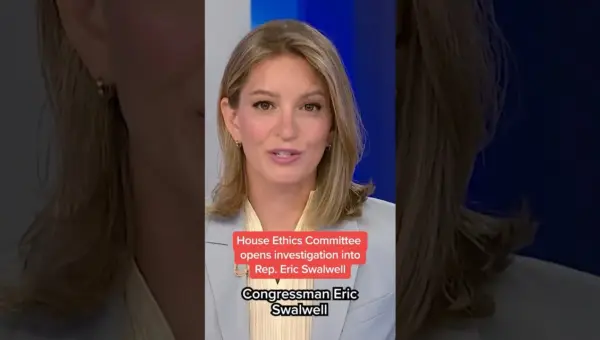
Ethics Probe Launched Against Rep. Swalwell Over Misconduct Claims
The House Ethics Committee has launched an investigation into Rep. Eric Swalwell (D-CA) following sexual misconduct allegations. A former staff member is at the center of the claims, which Swalwell vehemently denies. The committee will now examine the evidence and testimonies related to these serious accusations.
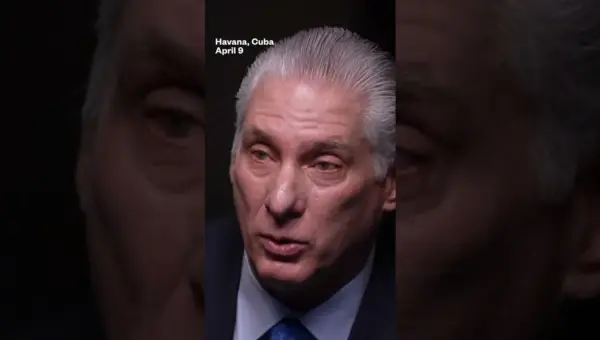
Cuba’s President Refuses to Step Down for U.S. Deal
Cuban President Miguel Díaz-Canel refused to step down, even if it were a condition for normalizing relations with the United States. He questioned the premise of the demand, stating Cuban leadership is not chosen by the U.S. government. Díaz-Canel also declined to commit to U.S. calls for releasing political prisoners, multi-party elections, or a free press.

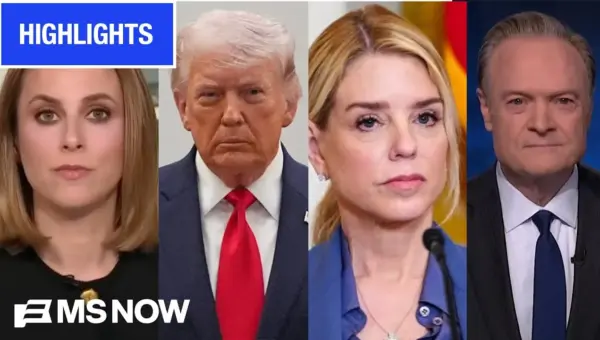
Trump’s MAGA World Shaken by Bondi’s Firing, Iran Policy Woes
Pam Bondi's firing from Donald Trump's circle has ignited debate among MAGA supporters, with some celebrating her dismissal. Meanwhile, Trump faces criticism for his Iran policy, which critics claim has led to higher gas prices and alienated his base.