Trump Vows Action on Iran Warships Amid Tensions
Retired Major General Bob Dees discusses the U.S. military's preparations amid Middle East tensions and Iran's negotiation tactics. He also highlights the economic impact of the Strait of Hormuz blockade on China and the vital support provided by the National Center for Healthy Veterans to at-risk service members.

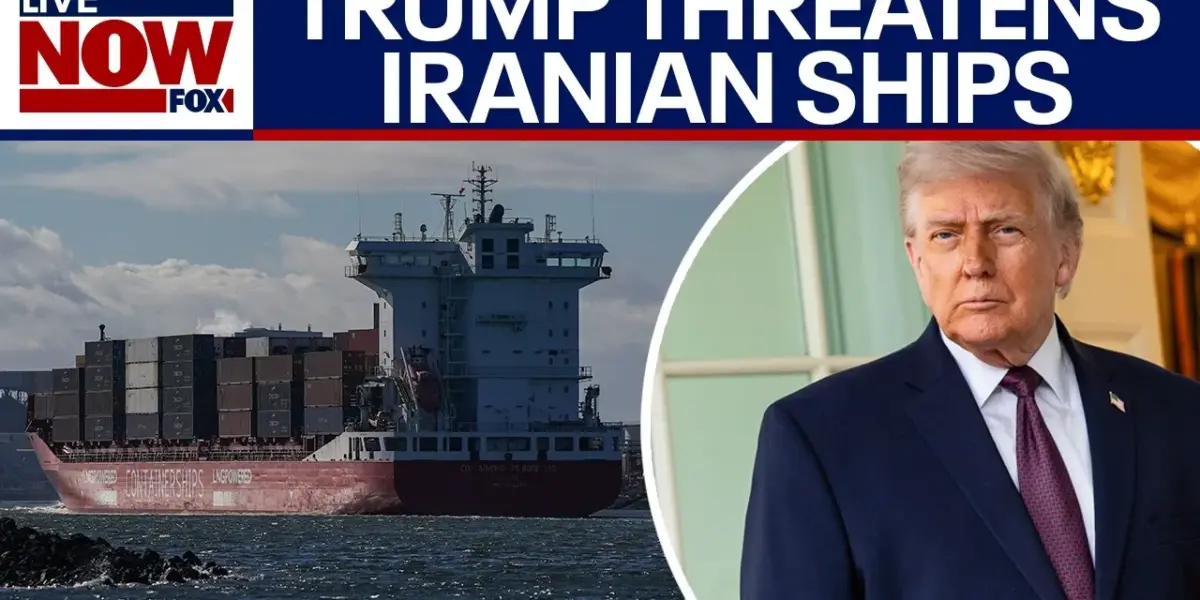
Military Prepared for Next Steps in Iran Standoff
The United States military is actively preparing for potential future actions regarding Iran, despite a public perception of a standstill in the ongoing conflict. Retired Major General Bob Dees, who previously commanded a U.S.-Israeli combined task force for missile defense, explained that behind the scenes, military personnel are working diligently to set conditions for further operations. This includes ensuring forces are in place and ready to act if President Trump directs new measures, such as a blockade.
“Setting the conditions” is a key military term that means preparing the groundwork for future success. This involves tasks like mine clearance operations and positioning forces. General Dees compared this preparatory phase to stretching a spring, gathering potential energy for a powerful release. The goal is to be ready for any eventuality and to ensure military operations are conducted as safely as possible.
Iran’s Negotiation Tactics Under Scrutiny
Experts believe Iran may be using extended negotiations as a tactic to delay meaningful progress. General Dees expressed a firm belief that Iran has a history of prolonging discussions without reaching reasonable agreements. He noted that beyond nuclear concerns, missile programs, and the spread of extremism, his major concern is the well-being of the Iranian people.
The longer the current situation drags on, the more opportunity the Iranian regime has to suppress its population. General Dees suggested that if President Trump feels negotiations are not moving forward, he might resume military strikes. This approach signals a potential shift in strategy, moving beyond past patterns of engagement.
Economic Pressure and China’s Role
The United States is also applying economic pressure on Iran, particularly through the blockade of the Strait of Hormuz. This move indirectly impacts China, a major trading partner. General Dees highlighted that this blockade could be very costly for China economically. About 45% of China’s oil supply comes from Iran, and much of this is sanctioned oil.
Paying full market prices for oil, with reduced availability and associated risks, presents significant economic challenges for China. While oil prices have remained relatively stable around $90 a barrel, the situation in the Middle East remains volatile. Factors like OPEC’s decisions and the U.S. role in refining Venezuelan oil also play a part in the global energy market.
National Center for Healthy Veterans Offers Support
Beyond his military insights, General Dees discussed his work at the National Center for Healthy Veterans in rural Virginia. This is a nine-month residential program designed to help at-risk veterans. The center provides support for those facing challenges such as homelessness, suicidal thoughts, past incarceration, and struggles with drug or alcohol use.
The program operates on referrals, and General Dees encouraged anyone who knows a veteran in need to seek assistance through their website, healthyveterans.org. They are also seeking donations of essential supplies. The center has seen positive outcomes, with formerly homeless veterans now securing jobs and stable housing.
Addressing Veteran Mental Health
General Dees emphasized the profound impact of military service on veterans’ mental health. He explained that many veterans struggle with issues stemming from events that occurred decades ago. These challenges can make it difficult to lead a normal life.
The National Center for Healthy Veterans addresses complex issues like traumatic brain injury (TBI), post-traumatic stress disorder (PTSD), moral injury, and adverse childhood experiences that are often linked to military service. Unlike short retreats, their nine-month program provides an intensive, structured environment for veterans to heal and transition from a state of crisis to one of health and productivity, allowing them to contribute positively to society.
The ongoing situation in the Middle East, coupled with the dedication to supporting veterans, highlights a complex geopolitical and humanitarian landscape. As tensions remain high, the focus will likely continue to be on diplomatic solutions, economic strategies, and ensuring the well-being of those who have served.
Source: Middle East latest: Trump vows to ‘kill’ Iranian warships that near blockade (YouTube)

Related Articles
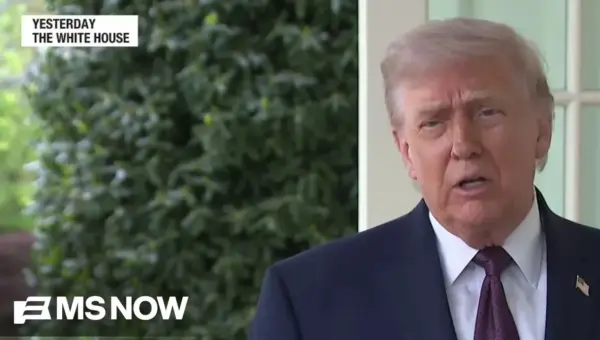
US Blockades Iranian Ports Amid Tensions, Risks Global Fallout
The U.S. military has begun blockading Iranian ports in an effort to pressure Tehran into a deal, risking higher global energy prices and wider conflict. Despite President Trump's warnings and Iran's retaliatory threats, diplomatic talks are reportedly being considered, with potential in-person negotiations on the horizon.
Trump’s Tariff Threat: China’s Iran Arms Deal Sparks Crisis
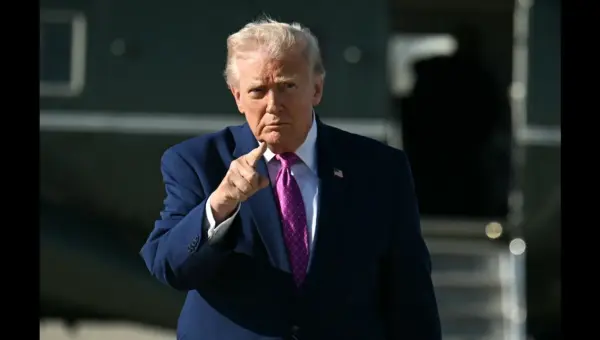
President Trump has warned China against supplying weapons to Iran, threatening a "staggering" 50% tariff if they do. U.S. intelligence reports suggest China may be preparing to send air defense systems, including missiles, to Iran. This development significantly heightens tensions ahead of a crucial summit between President Trump and Chinese President Xi Jinping.
Trump’s ‘Madman’ Posts and Iran War Raise Mental Health Concerns
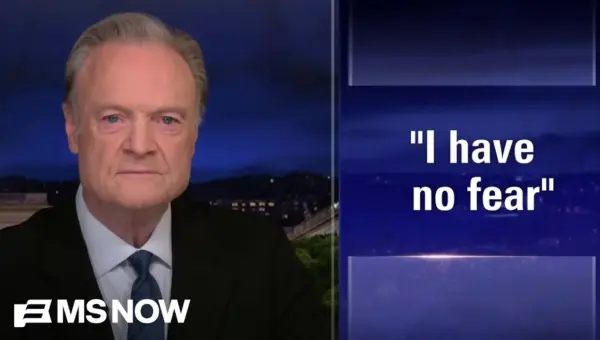
Former President Donald Trump's mental fitness is under renewed scrutiny following controversial statements about the Pope and Iran, alongside a former Chief of Staff's reported conclusion of mental illness. His handling of the Iran conflict and a 'Christ-like' social media post are cited as evidence of erratic behavior.