US Tightens Iran Blockade Amid Stalled Ceasefire Talks
As a critical ceasefire deadline looms, uncertainty clouds US-Iran talks, with a strict blockade of Iranian ports intensifying pressure. Experts debate the blockade's effectiveness and the deep mistrust hindering negotiations, while the Iranian people face ongoing repression and economic hardship.

Ceasefire Deadline Looms as US-Iran Talks Stall
Uncertainty surrounds the prospects for renewed talks between the United States and Iran as a crucial ceasefire deadline approaches. Vice President JD Vance, initially reported to be en route to Pakistan for negotiations, was later seen in Washington, adding to the confusion.
While it is now understood he is expected to travel later tonight, the situation remains fluid. President Trump, meanwhile, expressed optimism on Truth Social about a swift and improved deal with Iran, emphasizing that the U.S. blockade on Iranian ports will continue until an agreement is reached.
Blockade as Key Pressure Tactic
The U.S. blockade of Iranian ports is a central point of contention. Mick Mulroy, former U.S. Assistant Secretary of Defense for the Middle East under President Trump, explained that this tactic targets approximately 90% of Iran’s energy exports, which are primarily transported by sea.
This maritime blockade aims to exert significant economic pressure on the Iranian regime. If Iran refuses to negotiate while the blockade is in place, Mulroy warned that the ceasefire could expire without extension, setting back diplomatic efforts.
Mulroy noted that the U.S. is avoiding direct military intervention, such as securing the Strait of Hormuz with ground forces, due to the unclear long-term objective and exit strategy. The blockade is seen as a more viable pressure point.
However, Iran’s counter-blockade of other ships in the strait complicates the situation. This economic attrition warfare means both sides are testing each other’s endurance, with potential increases in global energy prices as a consequence.
“This is going to put a lot of pressure on them. If they will not even talk if it’s still in place then we’re probably at an impasse and this is going to restart.”
Mixed Signals and Deep Mistrust
Adding to the complexity are mixed signals from the Iranian side. While some officials have indicated a willingness to attend a second round of peace talks, others, like Masoud Peshkan, have cited deep historical mistrust towards the U.S. Holly Dagris, an Iranian-American analyst, confirmed that the Supreme National Security Council had stated they would not meet for talks in Islamabad as long as the blockade persists. However, reports suggest a potential Iranian delegation might still attend if Vice President Vance travels.
Dagris elaborated that the dispute extends beyond the blockade, encompassing Iran’s nuclear program. The U.S. is concerned about Iran’s highly enriched uranium stockpile, which could potentially be used to develop nuclear weapons. The blockade has further complicated these discussions, as the Trump administration hopes increased pressure will compel Iran to concede to U.S. demands, a strategy Dagris believes is unlikely to succeed.
Impact of Blockade on Iran and its People
The effectiveness of the blockade is debated. While Iran has a sophisticated sanctions evasion strategy, the blockade directly impacts its maritime trade, crucial for vital imports like animal feed and vegetable oil. Dagris suggests that while Iran might withstand some pressure through alternative channels and its crypto economy, a prolonged blockade would significantly harm the Iranian people.
The analyst also touched upon internal dynamics within the Iranian regime, noting that recent leadership changes are replacements for those killed, rather than a fundamental regime shift. This has led to a more hardline and potentially less restrained leadership, making negotiations more challenging. Figures like the new IRGC commander and the secretary of the Supreme National Security Council are seen as more uncompromising than previous negotiators.
Crackdown on Dissent Amidst Economic Hardship
The situation for the Iranian people remains dire. The country is experiencing its longest internet shutdown globally, making it difficult to disseminate information. Authorities are reportedly cracking down on Starlink terminal users, accusing them of espionage.
Arrests and executions, some linked to past uprisings and protests, continue daily. This intensified repression, coupled with the ongoing war and economic hardship, has left a profound psychological impact on the population.
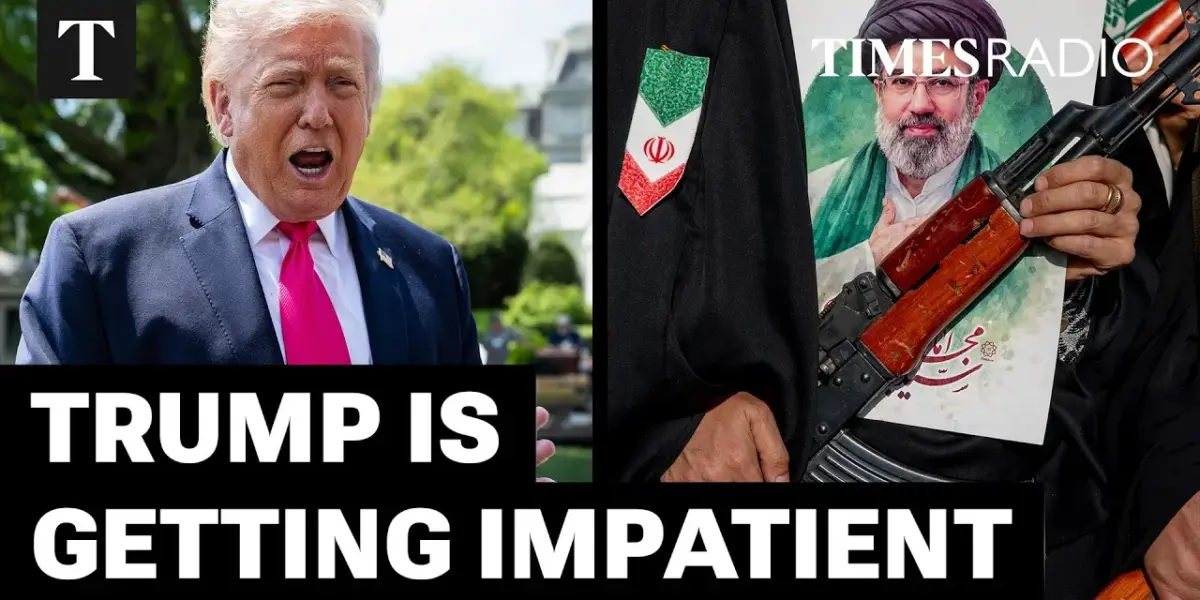
Despite the war’s toll, with significant civilian casualties including children, and the heavy-handed response to dissent, some Iranians are still processing the trauma of recent events. The government’s display of heavily armed women and pro-regime rallies aim to intimidate anti-regime elements, sending a clear message of forceful suppression. However, anecdotal evidence suggests that these tactics have not entirely extinguished the underlying sentiment for change.
Looking Ahead: Escalation or Negotiation?
With the ceasefire set to expire on Wednesday, the risk of a return to full-scale conflict is real. President Trump’s focus on the approaching midterm elections suggests a potential escalation if the situation remains unresolved.
Mulroy noted that targeting civilian infrastructure could be considered, though such actions would face international law challenges unless they have a clear military nexus. The coming days will be critical in determining whether diplomatic efforts can overcome deep-seated mistrust and achieve a de-escalation, or if pressure tactics will lead to further confrontation.
Source: Trump’s Midterm Fears Could Push Him Into All-Out War With Iran | Mick Mulroy (YouTube)

Related Articles

US Navy Strikes Iranian Ships, Escalating Global Tensions
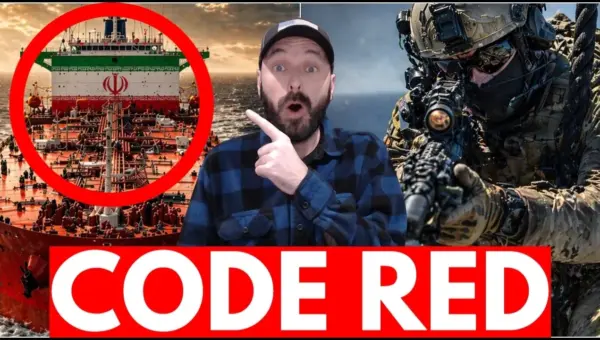
The US military has intercepted and boarded a second Iranian-linked ship, the MT Tiffany, in the Indo-Pacific, as part of ongoing efforts to disrupt illicit networks. This action occurs amidst rising diplomatic tensions, with former President Trump warning Iran of severe consequences if negotiations fail. Despite Iran's claims of evading a blockade, US forces continue their assertive maritime enforcement and surveillance operations.
Iran Talks Gain Leverage From Blockade
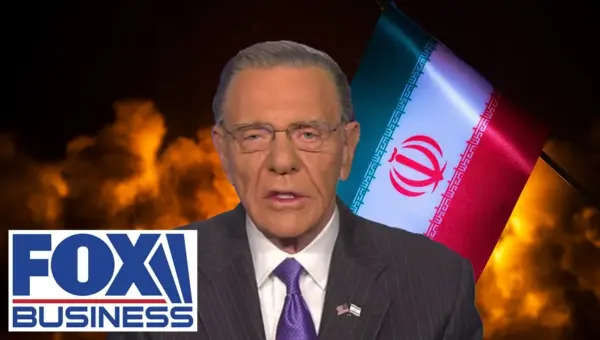
A U.S. blockade of Iranian oil exports is giving negotiators significant leverage in peace talks. The U.S. demands Iran abandon its nuclear program and cease actions in the Strait of Hormuz, with sanctions relief contingent on verifiable behavior change. China's role as a financial and technological supporter of Iran adds complexity to the situation.
US-Iran Tensions Flare Ahead of Ceasefire Deadline
Tensions between the U.S. and Iran are escalating as a critical ceasefire deadline approaches. Meanwhile, FBI Director Kash Patel is suing The Atlantic over a report alleging misconduct, and the Labor Secretary has resigned amid an investigation.