Senate Debates Kevin Warsh’s Fed Chair Nomination Amidst Economic Concerns
The Senate held a contentious confirmation hearing for Kevin Warsh, President Trump's nominee for Federal Reserve Chair. Supporters highlighted his experience, while critics questioned his independence and past record, particularly concerning the 2008 financial crisis. Warsh pledged to uphold the Fed's dual mandate and independence amid ongoing economic challenges.

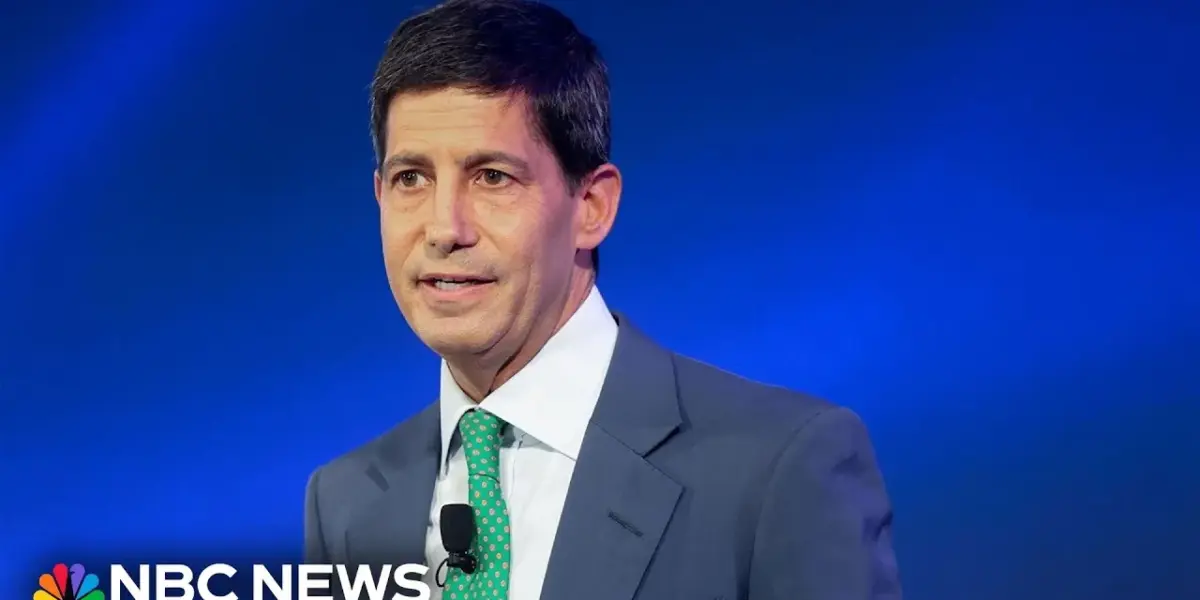
Senate Holds Heated Hearing for Fed Chair Nominee Kevin Warsh
Washington D.C. – The U.S. Senate convened a pivotal confirmation hearing today for Kevin Warsh, President Trump’s nominee to chair the Federal Reserve. The session, marked by sharp exchanges between committee members, highlighted deep divisions over the nation’s economic direction and the Fed’s role in navigating it. At the heart of the debate were Warsh’s qualifications, his past record, and concerns about the Fed’s independence under potential political influence.
Supporters Tout Experience, Call for Economic Focus
Supporters of Warsh, led by Senator Dave McCormack, emphasized his extensive experience, including his previous tenure as a Federal Reserve governor during the 2008 Great Recession. McCormack stated, “Kevin Warsh could not be more prepared for this his finest hour. There’s no one more fitting, no one more qualified to face this consequential moment as the 17th chair of the Federal Reserve.” He argued that Warsh’s deep understanding of financial markets and the real economy makes him uniquely suited to address current economic challenges.
The focus, according to proponents, should be on the Federal Reserve’s dual mandate: promoting stable prices and maximum employment. They believe Warsh’s leadership will help lower costs for everyday Americans and boost economic confidence.
Senator McCormack added, “He possesses a deep understanding of markets and is trusted by leaders across the financial industry. But he equally understands the real economy.”
Critics Raise Concerns Over Independence and Past Record
Conversely, Ranking Member Senator Elizabeth Warren voiced strong opposition, questioning Warsh’s suitability and raising alarms about political interference in the Federal Reserve. “The Senate should not be having this hearing today,” Warren declared, citing what she described as “Trump’s chaotic tariffs” and “his war with Iran” as contributing to rising inflation and economic hardship for families. She expressed concern that the President sought to install a “sock puppet” to manipulate monetary policy for political gain ahead of elections.
Warren also scrutinized Warsh’s record, particularly his role as a Fed governor during the 2008 financial crisis. She alleged he showed “no regrets about anything he did” and was an “enthusiastic cheerleader for credit default swaps and complex securizations.” The senator further questioned his commitment to lowering interest rates during economic downturns and accused him of shifting his stance on monetary policy based on political expediency.
“Why try to end the independence of the Fed? Because Trump’s economic failures are causing him political problems and he wants the Fed to use monetary policies to artificially juice the economy in the short term,” Warren stated.
Nominee Addresses Dual Mandate and Independence
In his opening statement, Kevin Warsh acknowledged the critical juncture facing the nation’s economy. He expressed gratitude to President Trump for the nomination and shared the President’s confidence in America’s economic potential. Warsh highlighted his commitment to the Federal Reserve’s mission of full employment and stable prices.
Addressing concerns about Fed independence, Warsh stated, “Monetary policy independence is essential. Monetary policy makers must act in the nation’s interest.” He clarified that while elected officials expressing views on interest rates is acceptable, the Fed’s decisions must be free from undue political pressure.
“Fed independence is up to the Fed,” he asserted, vowing to ensure the conduct of monetary policy remains strictly independent and that the Fed stays within its designated role. He also called for a “regime change” in policy and new frameworks to address inflation, citing policy errors in 2021 and 2022 as contributing to ongoing economic struggles.
Ethics and Financial Disclosures Under Scrutiny
Senator Warren pressed Warsh on significant financial holdings, questioning potential conflicts of interest given recent ethics scandals within the Federal Reserve. She specifically asked about investments in entities potentially linked to President Trump, money laundering, Chinese-controlled companies, or financing vehicles associated with Jeffrey Epstein. Warsh stated he had worked with ethics officials and agreed to sell all his financial assets if confirmed, but did not provide direct answers regarding specific investments, leading to further questioning about transparency in his divestment plan.
Looking Ahead: A Critical Decision for Economic Policy
The hearing concluded with the committee set to deliberate on Warsh’s nomination. The confirmation process will weigh his experience and stated commitment to Fed independence against the significant concerns raised by opponents regarding his past actions and potential political entanglements. The Senate’s decision will have a profound impact on the future direction of U.S. monetary policy and the public’s confidence in the Federal Reserve’s ability to manage the economy impartially.
Source: LIVE: Senate holds confirmation hearing for Fed chair nominee Kevin Warsh | NBC News (YouTube)

Related Articles
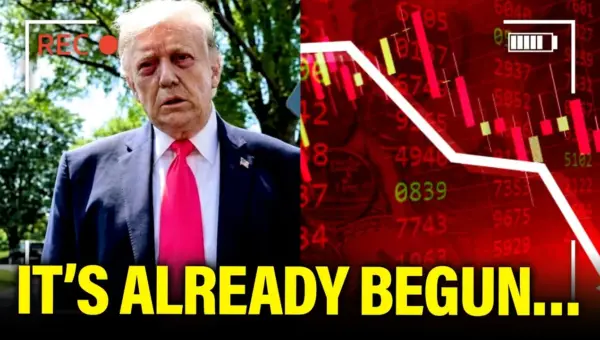
Economy’s Hidden Dangers: Why Wall Street’s Optimism Deceives
Despite record highs on Wall Street, everyday Americans face financial strain, rising debt, and falling real income. A deep dive into economic data and historical parallels with 2007-2008 reveals that misleading signals and a weakening U.S. Treasury market point to hidden dangers beneath the surface of market optimism.
Businesses Could Get $160 Billion Back in Tariffs
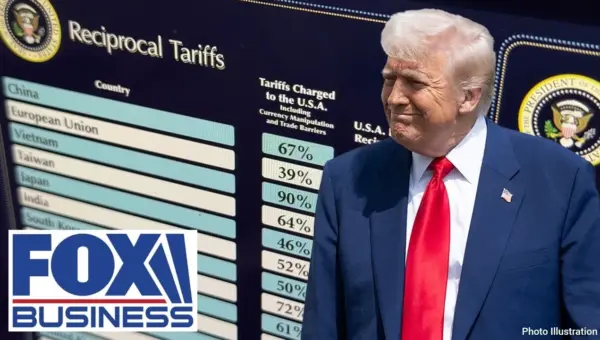
Businesses may soon receive an estimated $160 billion in returned tariffs, but the funds are going to importers, not directly to consumers who paid higher prices. Meanwhile, a Federal Reserve nominee, Kevin Warsh, is set for a confirmation hearing where his views on interest rates and Fed independence will be closely watched by markets.

Fed Chair Change Signals New Debt Strategy
A change in Federal Reserve leadership on May 15th, 2026, signals a potential shift towards historical 'financial repression' strategies to manage the U.S.'s $39 trillion debt. Incoming Chair Kevin Worsh's plans may involve lower interest rates and AI-driven efficiency gains, impacting savers and investors differently.