Businesses Could Get $160 Billion Back in Tariffs
Businesses may soon receive an estimated $160 billion in returned tariffs, but the funds are going to importers, not directly to consumers who paid higher prices. Meanwhile, a Federal Reserve nominee, Kevin Warsh, is set for a confirmation hearing where his views on interest rates and Fed independence will be closely watched by markets.

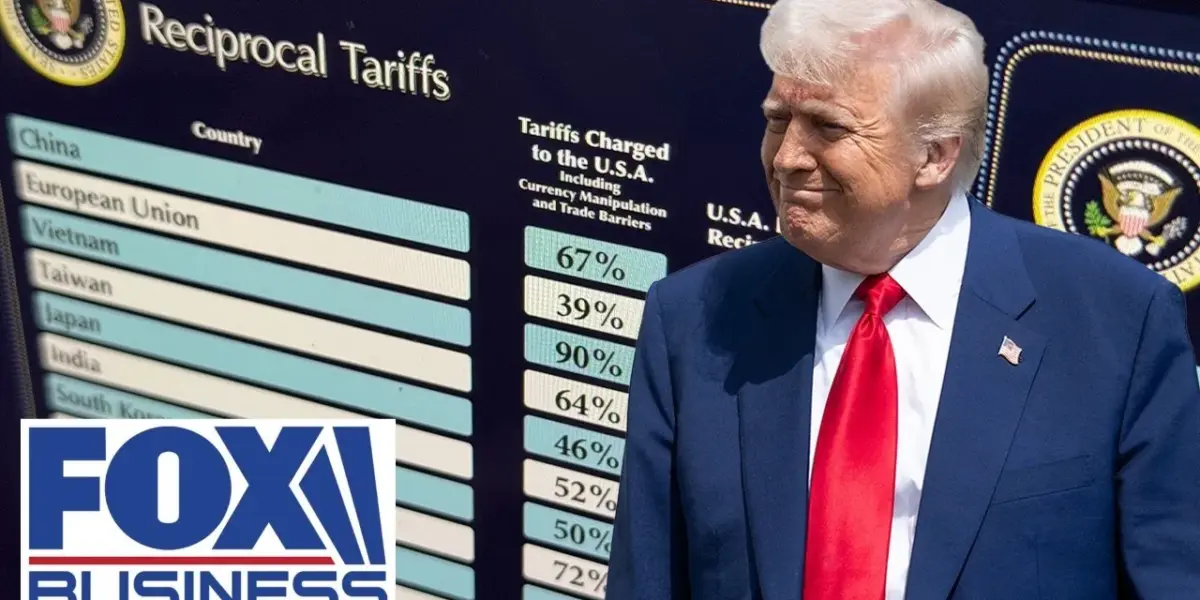
Businesses May Reclaim $160 Billion in Tariffs
A significant policy shift could return an estimated $160 billion in tariffs to private businesses. This move, however, raises questions about who truly benefits and how the money will impact consumers and the broader economy. The funds were initially collected by the government as import taxes.
While the idea of returning funds to businesses might seem positive, the process is complex. The money is not directly going back to consumers who ultimately paid higher prices. Instead, it is being refunded to the importers of record, the companies that officially brought the goods into the country.
Tariff Refunds: Who Gets the Money?
This creates a situation where a product’s price may have been increased for consumers due to tariffs. Now, the importer could receive a refund, potentially making the product cost them very little.
Meanwhile, American consumers have already paid the higher price. Pursuing legal action to recover these costs could be a lengthy and difficult process for individuals.
Some experts have voiced concerns about the original imposition of tariffs. They argue that replacing them with a system that is harder to manage could lead to unintended consequences. Tariffs, in this view, might have been a less harmful way to raise government revenue compared to income taxes, especially if they replaced lost income tax funds.
Debate Over Consumer Impact
There is considerable debate about how much of the tariff cost was passed on to consumers. While some government officials suggested the impact was minimal, other economists believe consumers bore a much larger share. The current system, which gives money back to businesses without compelling them to pass it on to consumers, appears incomplete to many observers.
Economists face challenges in precisely calculating how much of a tariff’s cost was absorbed by consumers. Estimates vary widely, with some suggesting 80% was passed on, while others put the figure at 20%. Legally proving that a specific price increase, like $2 on a pair of socks, was directly caused by tariffs is extremely difficult in practice.
Complexity and Large Corporations
The administrative burden of sorting through the necessary paperwork to prove tariff impact is immense. Consequently, refunds are likely to go to those businesses that can be easily identified and tracked, rather than necessarily to the individuals or entities most deserving. This has been a recurring argument throughout the tariff debate, highlighting the system’s inherent messiness.
Larger corporations are expected to receive the bulk of these refunds. The question now is what these companies will do with the returned funds. Some are reportedly evaluating their options, considering whether to return the money to shareholders through dividends or stock buybacks, or pass savings along to customers.
Federal Reserve Nominee Faces Scrutiny
In related economic news, Kevin Warsh is preparing for his confirmation hearing before the Senate Banking Committee. Warsh’s testimony suggests that the Federal Reserve must maintain its independence and avoid straying from its core mission. He argues that the Fed’s independence is most at risk when it engages in issues beyond monetary policy, such as diversity, equity, and inclusion initiatives or climate change concerns.
A key focus of Warsh’s hearing will be his stance on interest rates and monetary policy. Historically, Warsh has been viewed as a proponent of lower interest rates, with some suggesting a 1% rate cut could create up to a million jobs. His previous arguments for more aggressive rate cuts stemmed from the belief that artificial intelligence could lower prices, allowing for lower interest rates and more business lending.
Warsh has also supported policies that would benefit Main Street through lower rates, while potentially funding these through the sale of the Fed’s assets. This suggests he might favor a more accommodative, pro-growth monetary policy than some anticipate. The hearing may also touch upon other economic matters, including the views of Federal Reserve Chair Jerome Powell and any remaining dissenting opinions within the committee.
Market Impact
The potential return of $160 billion to businesses could inject significant capital into the economy. However, the immediate benefit is likely to accrue to large importers, with consumer benefits uncertain. Investors will watch to see if companies use these funds for investment, share buybacks, or dividends, which could influence stock prices and market sentiment.
Kevin Warsh’s potential influence on Federal Reserve policy regarding interest rates is a major factor for markets. If he advocates for lower rates, it could stimulate borrowing and economic activity but also raise inflation concerns. His emphasis on Fed independence is crucial for market confidence in the central bank’s decision-making process.
What Investors Should Know
For investors, the tariff refund situation highlights the complexities of trade policy and its uneven distribution of economic effects. Understanding which companies are likely to benefit most from these refunds is key. The debate over consumer versus corporate benefit is ongoing and could shape future policy discussions.
The confirmation of Kevin Warsh and his views on monetary policy could signal shifts in the Federal Reserve’s approach to interest rates. Investors should monitor his testimony for insights into potential future rate cuts or other policy actions that could impact bond yields, stock valuations, and overall market liquidity.
The Senate Banking Committee’s confirmation hearing for Kevin Warsh is scheduled for tomorrow.
Source: JUST IN: Businesses can now claim tariff REFUNDS (YouTube)

Related Articles

Trump Tariffs Refunded: Billions Now Flowing Back to Businesses
Businesses can now claim refunds for certain Trump-era tariffs following a Supreme Court ruling. U.S. Customs and Border Protection is managing the process, which involves billions of dollars in deposits. This development could provide significant financial relief to companies impacted by the tariffs.

Trump Threatens Iran as Peace Talks Face New Hurdles
President Trump has renewed threats against Iran, demanding a deal by Wednesday amid escalating tensions and a looming ceasefire deadline. Peace talks in Islamabad face uncertainty as Iran's participation remains undecided. The conflict is impacting energy prices and public opinion, with a new poll showing declining approval for President Trump and growing concerns about inflation and the war.

Trump’s Tariffs Declared Unconstitutional; Government Repays Billions
The U.S. government is returning $166 billion after the Supreme Court ruled Trump-era tariffs unconstitutional. This landmark decision allows businesses to recoup costs from duties deemed unlawful. The repayment signals a significant financial relief and a potential shift in future trade policy implementation.