Politicians’ Harsh Words: Is It Fair to Call Trump Hitler?
The use of extreme labels like "Hitler" and "fascist" in political debates is examined. While some politicians have compared Donald Trump to Hitler, the transcript questions the accuracy and impact of such comparisons, especially when Trump himself uses divisive rhetoric against opponents.

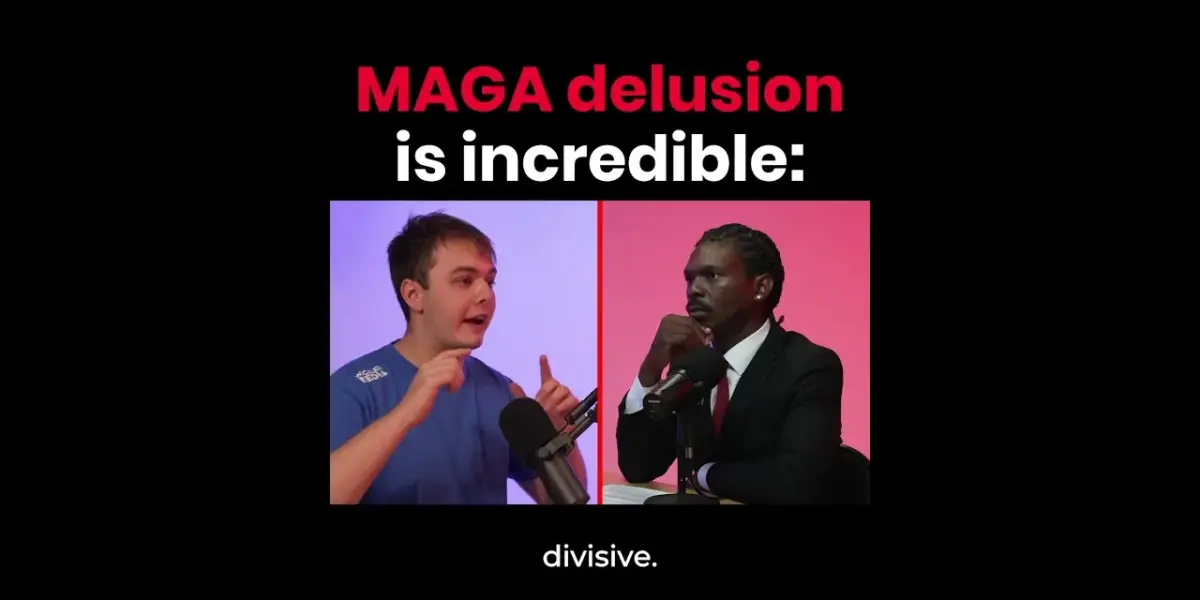
Politicians’ Harsh Words: Is It Fair to Call Trump Hitler?
The debate over political rhetoric has reached a boiling point. Some politicians have compared Donald Trump to Adolf Hitler, a comparison that sparks intense disagreement.
This comparison is not only inaccurate but also harmful to political discourse. It’s a serious accusation that needs careful consideration, not casual use.
The claim that calling Trump Hitler is false is a strong one. It suggests that the comparison lacks any basis in reality.
This assertion rests on the idea that Trump’s actions and ideology do not align with those of the Nazi leader. Such comparisons, when untrue, can be seen as a form of propaganda or misinformation.
Vance’s Comparison and Trump’s Own Rhetoric
One elected official, J.D. Vance, has been identified as having made the Hitler comparison. However, Vance later suggested he was influenced by the rhetoric of the left.
This adds a layer of complexity to the discussion. It implies that political language can be contagious and persuasive.
Meanwhile, Donald Trump himself has used strong language against his political opponents. He repeatedly called Kamala Harris and Joe Biden fascists during election campaigns.
He also labeled them communists. This shows that divisive language is not a one-way street in politics.
The Divisive Nature of Trump’s Rhetoric
The idea that Trump’s rhetoric is not divisive is called absurd. The transcript argues that his language is incredibly divisive. He frequently refers to his opponents as the “enemy from within.” This kind of language can create fear and distrust among citizens.
Adding to this, Trump has shared images that depict American cities in crisis. He posted AI-generated images of Chicago on fire.
This is a striking example of a sitting U.S. president using imagery of a nation at war with itself. Such visuals can amplify feelings of division and national distress.
Accusations of Nazism and Hitler Comparisons
The transcript highlights that Trump’s opponents have called him a Nazi and Hitler. These are extremely loaded terms, carrying immense historical weight. The question is raised whether any Democrat has actually made such a direct comparison while holding elected office.
The exchange suggests a back-and-forth in political name-calling. When one side uses extreme labels, the other side might feel justified in doing the same. However, the impact of these labels on public opinion and political stability is a significant concern.
Why This Matters
The use of extreme labels like “Hitler” or “Nazi” in political debate is concerning. It can shut down productive conversation and increase hostility. When politicians compare opponents to historical figures responsible for mass atrocities, it often trivializes the suffering of victims.
This kind of rhetoric can also create a dangerous environment. It can make people feel that political opponents are not just people with different ideas, but actual enemies.
This can lead to increased polarization and even violence. The transcript points out that Trump’s own use of divisive language complicates the picture.
Historical Context and Background
Adolf Hitler and the Nazi party were responsible for the Holocaust, the systematic murder of six million Jews and millions of others. They also initiated World War II, leading to tens of millions of deaths.
Comparing any modern political figure to Hitler is a very serious charge. It invokes images of genocide, war, and absolute evil.
In democratic societies, political debate is essential. However, it should ideally be based on policy differences and vision for the country.
Using terms associated with historical evil can be a way to avoid discussing actual issues. It’s a shortcut to demonize an opponent rather than engage with their ideas.
Implications, Trends, and Future Outlook
The trend of using extreme language in politics is worrying. It seems to be becoming more common.
Social media platforms often amplify such content, making it reach a wider audience. This can normalize harsh rhetoric over time.
Looking ahead, it’s important for citizens to critically evaluate the language used by politicians. We need to ask ourselves if these comparisons are fair, accurate, or simply meant to provoke an emotional reaction. The goal should be to encourage dialogue, not to demonize those with whom we disagree.
The future of political discourse depends on our willingness to demand better. We can push for conversations that focus on substance rather than sensationalism. This requires both politicians and the public to choose more constructive ways of engaging.
The next election cycle will likely see continued use of strong language. It will be up to voters to decide if this is the kind of political conversation they want.
Source: How Can He Deny This?… (YouTube)

Related Articles
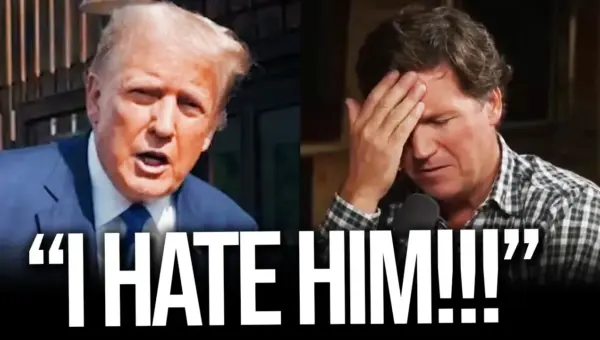
Tucker Carlson Turns on Trump: A Movement’s Unraveling?
Tucker Carlson's public regret over his role in promoting Donald Trump signals a potential fracturing of the MAGA movement. Despite his apology for misleading people, critics question his sincerity, pointing to his long history of controversial rhetoric and privately expressed contempt for Trump. This shift raises questions about the future of Trump's influence and the conservative media landscape.
President Trump Celebrates Collegiate Champions, Tackles Sports Reforms
President Trump hosted seven collegiate championship teams at the White House, celebrating their athletic achievements. During the event, he also outlined his administration's plans to reform college sports, focusing on fair competition, eligibility rules, and protecting women's athletics.

Trump’s Leadership Under Fire Amid Iran Tensions and Scandals
President Trump's administration faces escalating tensions in Iran as a ceasefire nears expiration, with a U.S. delegation heading to Pakistan for peace talks amid concerns over erratic leadership. Meanwhile, Labor Secretary Lori Chavez-Demore has resigned following a series of scandals. Businesses will begin receiving refunds for unlawfully imposed tariffs.