US-Iran Talks Stall Amid Strait of Hormuz Tensions
U.S.-Iran negotiations are faltering amidst rising tensions in the Strait of Hormuz, with Iran indicating it's not ready for new talks. The country has demonstrated an ability to disrupt global trade with limited military assets, raising questions about the credibility of U.S. administration statements on the conflict's progress.

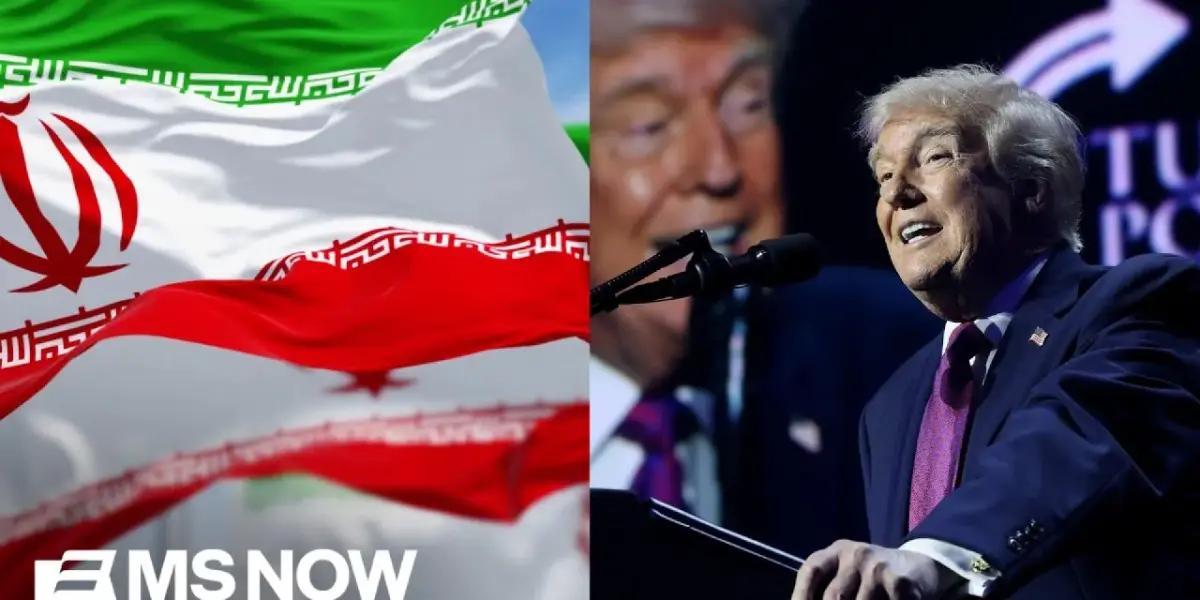
US-Iran Negotiations Face Uncertainty
Negotiations between the United States and Iran remain in a critical phase this week, with little clarity on whether a deal will be reached. Tensions are particularly high around the Strait of Hormuz, a vital waterway for global oil transport. Iran’s Revolutionary Guard recently stated the Strait would remain closed until a U.S. blockade is lifted, a move that follows reports of Iran firing on two Indian vessels attempting to pass through the strait over the weekend.
While the U.S. has indicated ongoing positive conversations, an Iranian official told The Associated Press that the country is not ready for new talks. This stance is attributed to the U.S. refusal to abandon what Iran calls “maximalist demands.” No new meeting date has been set, leaving the future of the negotiations uncertain.
Iran’s Military Capacity and Strategic Approach
Questions linger about Iran’s actual military capacity and its ability to sustain conflict, especially when compared to official U.S. statements. An expert noted that Iran has learned to be strategically effective with limited military resources. This approach allows them to disrupt global commerce significantly, even without possessing large, conventional naval fleets.
Iran’s strategy often involves using small, fast boats and drones, which can effectively halt commercial traffic in narrow waterways like the Strait of Hormuz. This tactic does not require a massive military buildup but proves capable of causing significant economic disruption. The expert suggested that Iran’s actions demonstrate a strategic understanding of how to apply pressure with minimal assets.
Credibility and Negotiation Tactics
Concerns have been raised about the credibility of statements coming from the current U.S. administration regarding the progress of talks and military accomplishments. Reports suggest a pattern of shifting approaches, from belligerent to conciliatory, with behind-the-scenes grappling over potential negative outcomes. Some observers point to instances where the president has appeared to lose focus or desire to discuss the ongoing issues.
The duration and intensity of the current negotiations also draw comparisons to past diplomatic efforts. The expert highlighted that the current talks pale in comparison to the lengthy process of the JCPOA (Joint Comprehensive Plan of Action) under the Obama administration. The JCPOA involved years of detailed discussions and extensive time spent by diplomats on the ground to finalize the agreement.
Challenges in Reaching a Deal
The expert expressed doubt about the possibility of reaching a comprehensive deal within the current timeline and negotiation structure. The recent talks in Pakistan, attended by Vice President Vance, were seen as insufficient for achieving a breakthrough. A serious negotiation requires dedicated time, expertise, and a deep understanding of the complex issues at stake, including Iran’s nuclear program and the necessary concessions from both sides.
The process of negotiating with Iran is known to be lengthy and requires significant commitment. The example of Secretary Kerry spending 19 consecutive days in Vienna to finalize the last stages of the Iran nuclear agreement illustrates the depth of engagement needed. It is unclear if the current administration possesses the desire or the capacity to invest the necessary time and resources to secure a successful outcome.
Broader Implications and Next Steps
The ongoing standoff in the Strait of Hormuz and the stalled negotiations have significant implications for global energy markets and international security. The U.S. military is reportedly preparing to board Iranian-linked oil tankers and seize commercial ships, further escalating potential conflict. This situation requires careful diplomatic maneuvering and a clear understanding of Iran’s strategic objectives.
As the war enters its eighth week, the focus remains on whether diplomatic channels can be reopened and if both sides are willing to engage in substantive discussions. The coming days will be crucial in determining the trajectory of U.S.-Iran relations and the stability of the vital Strait of Hormuz waterway.
Source: ‘Not at all clear’ that U.S. will get a deal w/ Iran: Negotiations in Islamabad continue this week (YouTube)

Related Articles
US Navy Seizes Iranian Tanker, Escalating Maritime Tensions
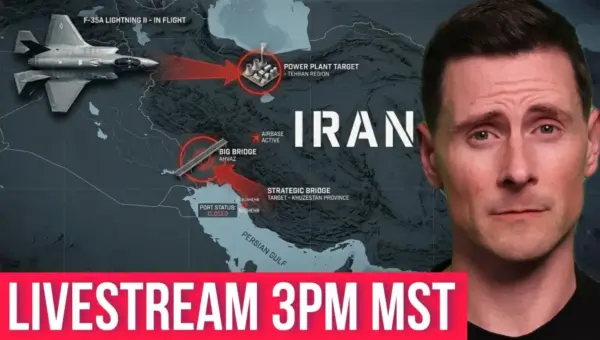
U.S. naval forces have seized an Iranian-linked tanker attempting to breach a blockade near the Strait of Hormuz. The operation underscores U.S. resolve to enforce maritime control and pressure Iran over its nuclear program. Iran has rejected new nuclear talks, citing the blockade, while the U.S. continues its interdiction efforts.


Trump Threatens Iran, Sends Kushner to Pakistan for Peace Talks
President Trump has issued a stark warning to Iran, threatening to destroy its infrastructure if a deal is not accepted, while sending negotiators Steve Wyckoff and Jared Kushner to Pakistan for peace talks. The absence of Vice President J.D. Vance from the delegation has raised questions about the potential for a successful agreement. Reports also suggest China has been providing satellite imagery to Iran, complicating the diplomatic landscape.

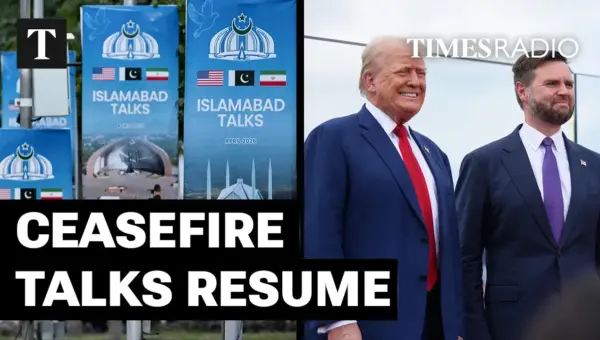
US, Iran Eye Peace Talks Amid Standoff Over Strait of Hormuz
The United States and Iran are preparing for renewed peace talks in Pakistan, with both nations believing they have the upper hand following recent military and economic developments. A key focus will be extending the current ceasefire, which expires in two days, and potentially addressing the control of the Strait of Hormuz.