Senator’s Gas Price Plea Ignores Real American Struggles
Senator Roger Marshall suggested Americans must accept higher gas prices for national security, comparing the situation to World War II sacrifices. Critics argue his claims about the economy and the threat from Iran are inaccurate, highlighting the struggle for everyday Americans to afford necessities.

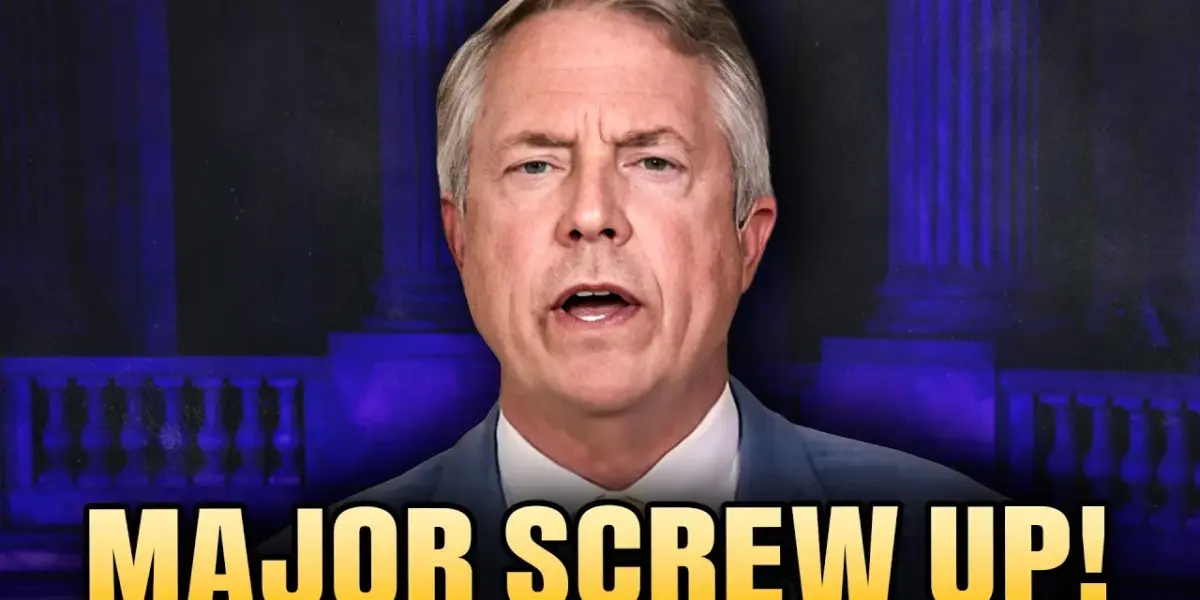
Senator Suggests Americans Accept Higher Gas Prices for Security
A Republican Senator recently suggested that Americans should accept higher gas prices as a necessary cost for national security. Senator Roger Marshall of Kansas appeared on Newsmax to discuss the rising cost of oil. He compared the current situation to the sacrifices made during World War II, arguing that being safe from threats like Iran is more important than what people pay at the pump.
Marshall stated that Americans are safer now and that the nation is the leading oil producer, exporting more than it imports. He also claimed that wages have been growing faster than inflation under the current president. However, these claims have been challenged by recent reports indicating the opposite.
Challenging the Senator’s Claims
Reports released this week suggest that wage growth has actually been below inflation, directly contradicting the Senator’s statement. This discrepancy raises questions about the accuracy of the information being presented to the public regarding economic conditions.
The Senator also mentioned that Americans might receive a tax rebate of $1,000 or $1,500 soon, implying this would help offset the rising gas prices. He reiterated that national security is more important than individual finances.
Contrasting Threats: Iran vs. World War II
The comparison made by Senator Marshall between the current situation with Iran and the global threat posed by Nazi Germany during World War II has been strongly criticized. Critics argue that Iran does not represent a comparable level of danger to the United States or the world.
According to statements from Trump’s own military and even figures like Senator Ted Cruz, Iran was not considered an immediate threat. They were believed to be years away from developing a nuclear weapon, suggesting that national security was not truly at risk in the way the Senator implied.
The Real Issue: Affording Necessities
The core concern for many Americans is the ability to afford basic necessities, a point the Senator’s argument seems to overlook. When people struggle to provide for their families, their sense of safety and security is directly impacted.
The argument that national security is paramount rings hollow when individuals cannot meet their daily needs due to rising costs. This disconnect highlights a potential misunderstanding of the everyday financial pressures faced by ordinary citizens.
Donald Trump Echoes Security Argument
Former President Donald Trump also appeared on Fox News, echoing the sentiment that the price increases are acceptable because Americans are now safer. He claimed Iran was on the verge of acquiring nuclear weapons, a narrative that has been used to justify certain foreign policy actions.
This line of reasoning suggests a new talking point: that citizens should accept higher costs for everything made from oil because they are supposedly protected from a nuclear threat. The fear-mongering tactics used to support this argument have been described as extreme.
Why This Matters
The disconnect between the economic realities faced by many Americans and the justifications offered by political figures is significant. When leaders suggest that citizens should simply endure financial hardship for abstract security gains, it can breed resentment and distrust.
Understanding the actual economic situation, including wage growth relative to inflation, is crucial for informed public discourse. Accurately assessing national security threats and their impact on citizens’ lives is also vital for effective governance.
Implications and Future Outlook
This situation highlights a common political strategy: framing policy decisions around national security to gain public acceptance, even when those decisions have tangible economic consequences for individuals. The effectiveness of this strategy often depends on the perceived severity of the threat.
Moving forward, it will be important to see if this narrative gains traction or if the focus shifts back to economic relief for everyday Americans. The upcoming economic data and political responses will offer clues about the direction this debate will take.
Historical Context
Throughout history, governments have often asked citizens to make sacrifices for the sake of national security, particularly during times of war or perceived existential threats. The comparison to World War II, while criticized in this instance, taps into a historical understanding of collective sacrifice.
However, the nature of these threats and the economic capacity of citizens to bear the costs have varied greatly. What might have been acceptable during a declared global war may not be viewed the same way when dealing with regional conflicts or perceived, rather than immediate, dangers.
Looking Ahead
As tax day approaches, the discussion around economic relief and national security will likely continue. The effectiveness of political arguments will depend on their ability to resonate with the lived experiences of Americans.
Future economic reports and policy announcements will be key indicators of how these competing priorities are being addressed. Americans will be watching to see if their concerns about affordability are met with practical solutions.
Source: Republican Senator Flops HARD Telling Americans To Accept Higher Gas Prices (YouTube)

Related Articles
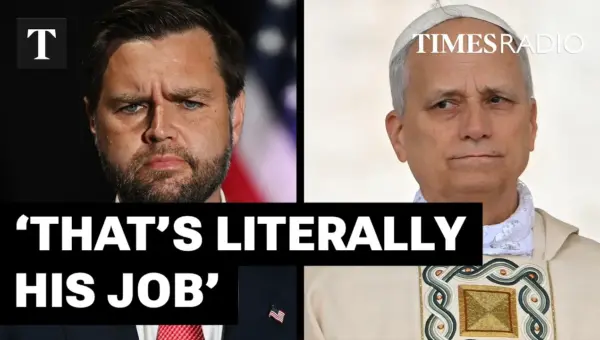
Vance Tells Pope to ‘Tread Carefully’ on Theology
Senator JD Vance has faced criticism for telling Pope Francis to "tread carefully" on theological matters, a move many find audacious given the Pope's position. The comments highlight the complex intersection of religion and politics, with historical parallels and modern tribal dynamics influencing public discourse.
Trump’s Divine Claims Fuel Feud with Pope Francis
Former President Donald Trump has escalated his feud with Pope Francis by sharing an AI image of himself as a Jesus-like figure and planning a marathon Bible reading. Analysts suggest his actions are fueled by those around him who encourage him to see himself as divinely appointed, a sentiment echoed by some political allies.

Trump’s Ballroom Battle: Judge Rules Against Sky-High Ambitions
A federal judge has ordered a halt to above-ground construction of a new White House ballroom, allowing only underground work to continue. Former President Trump reacted strongly on Truth Social, calling the judge "Trump-hating" and claiming national security is at risk. The ruling underscores legal requirements for construction projects, even for former presidents.