RFK Jr. Unveils Microplastic Action Plan
Health and Human Services Secretary Robert F. Kennedy Jr. and EPA Administrator Lee Zeldin have announced a significant 'MAHA' initiative to combat microplastic pollution. This plan signals a coordinated governmental effort to address the widespread contamination of the environment by tiny plastic particles, potentially impacting various industries and investment opportunities.

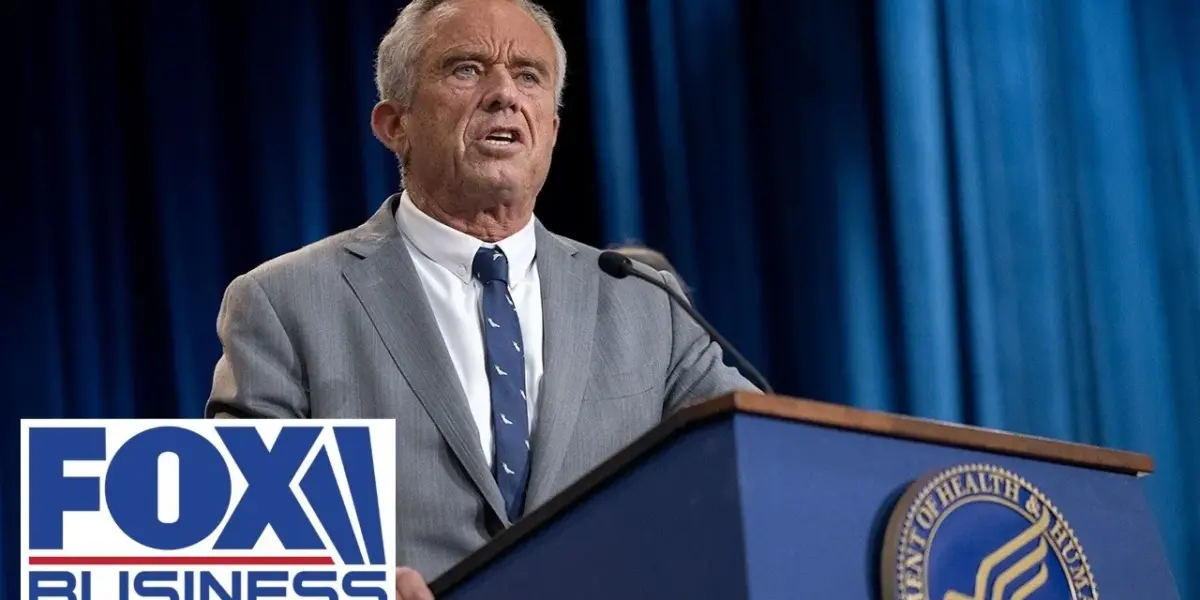
RFK Jr. Unveils Major Microplastic Initiative
Health and Human Services Secretary Robert F. Kennedy Jr. And EPA Administrator Lee Zeldin have announced a significant initiative aimed at tackling the growing problem of microplastics. This new plan, referred to as a ‘MAHA’ win, signals a serious government commitment to addressing the widespread contamination of our environment by these tiny plastic particles.
Microplastics are small pieces of plastic, typically less than 5 millimeters in size. They come from a variety of sources, including larger plastic items breaking down, synthetic clothing fibers shed during washing, and microbeads found in some personal care products. These particles have been found everywhere, from the deepest oceans to the highest mountains, and have even been detected in human blood and lungs.
The Scope of the Microplastic Problem
The pervasive nature of microplastics poses a growing concern for both environmental health and human well-being. Scientists are increasingly studying their potential impact on ecosystems, wildlife, and potentially human health. The accumulation of these particles in the environment raises questions about long-term consequences that are still being researched.
Understanding the full impact is a complex scientific challenge. Researchers are working to determine how microplastics interact with living organisms and how they move through food chains. This ongoing research is crucial for developing effective strategies to mitigate the risks associated with microplastic pollution.
MAHA: A New Front in Environmental Protection
The ‘MAHA’ initiative, spearheaded by Secretary Kennedy Jr. And Administrator Zeldin, represents a coordinated effort to combat microplastic pollution. While specific details of the plan were not fully elaborated in the announcement, the designation of this as a ‘MAHA’ win suggests a comprehensive approach. This could involve new regulations, research funding, and public awareness campaigns.
The involvement of both Health and Human Services and the Environmental Protection Agency highlights the dual concerns of environmental contamination and potential public health effects. This inter-agency collaboration is seen as a positive step towards a more integrated approach to tackling this complex issue.
Market Impact and Investor Considerations
The announcement of a significant governmental push on microplastics could have ripple effects across various industries. Companies involved in plastic production, packaging, and consumer goods may face increased scrutiny and regulatory pressure. This could lead to greater investment in alternative materials, recycling technologies, and sustainable manufacturing processes.
Investors may want to monitor sectors that are directly or indirectly impacted by environmental regulations. Industries focused on waste management, water purification, and the development of biodegradable materials could see increased opportunities. Conversely, companies with significant plastic footprints might need to adapt their strategies to meet evolving environmental standards.
What Investors Should Know
The MAHA initiative signals a growing global awareness and governmental action regarding microplastic pollution. This trend is likely to continue, driving innovation and investment in sustainable solutions. Companies that proactively address their environmental impact and embrace greener technologies may be better positioned for long-term success.
For investors, this means paying attention to regulatory developments and consumer preferences. The demand for environmentally friendly products and services is on the rise. Companies that align with these demands could benefit from increased market share and positive brand perception.
Long-Term Implications
The long-term implications of addressing microplastic pollution are significant for both the environment and the economy. A successful strategy could lead to cleaner waterways, healthier ecosystems, and reduced potential risks to human health. This, in turn, could foster new industries and job creation in the green technology sector.
Tackling microplastics aligns with broader global efforts to combat pollution and promote sustainability. This initiative could serve as a model for other environmental challenges, encouraging a more proactive and integrated approach to planetary health. The commitment shown by Secretary Kennedy Jr. And Administrator Zeldin suggests a sustained focus on this critical issue.
Looking Ahead
The announcement marks the beginning of what is expected to be a sustained effort to address microplastic contamination. Further details on the MAHA plan and its implementation are anticipated in the coming months. The focus on scientific research and regulatory action indicates a serious commitment to finding solutions.
As the world grapples with the environmental challenges of the 21st century, initiatives like MAHA are crucial. The coming months will reveal the specific steps taken to combat microplastics, offering clarity for industries and investors alike.
Source: WATCH LIVE: RFK Jr makes major announcement on microplastics (YouTube)

Related Articles

Judge Halts RFK Jr.’s Vaccine Policy Overhaul
A federal judge has temporarily blocked changes to the childhood vaccine schedule proposed by HHS Secretary Robert F. Kennedy Jr. The decision came after a lawsuit from doctors and parents argued the changes lacked proper scientific review. Dr. Vin Gupta expressed concern over the ruling's implications for public health policy.


Judge Halts RFK Jr. Vaccine Overhaul, Doctor Expresses Relief
A federal judge has temporarily halted a Biden administration overhaul of vaccine recommendations, bringing relief to public health experts. Dr. Vin Gupta expressed that while the intervention is welcome, it's concerning the legal system had to step in for what should be a scientific decision. The ruling also raises questions about potential inconsistencies in vaccine policies across different states.

RFK Jr. Bets Big on Wearables for Health Movement
Robert F. Kennedy Jr. is positioning wearable technology, like Continuous Glucose Monitors, as a central part of his health movement. These devices offer real-time data to help users make informed decisions about diet and lifestyle. The trend highlights the growing intersection of tech, health policy, and personal wellness.