RFK Jr.’s Health Claims Raise Alarms for Public Well-being
Robert F. Kennedy Jr.'s recent testimony sparked concern over his promotion of unscientific health practices. His views on nutrition and modern medicine contrast sharply with established public health guidance, raising questions about his leadership.

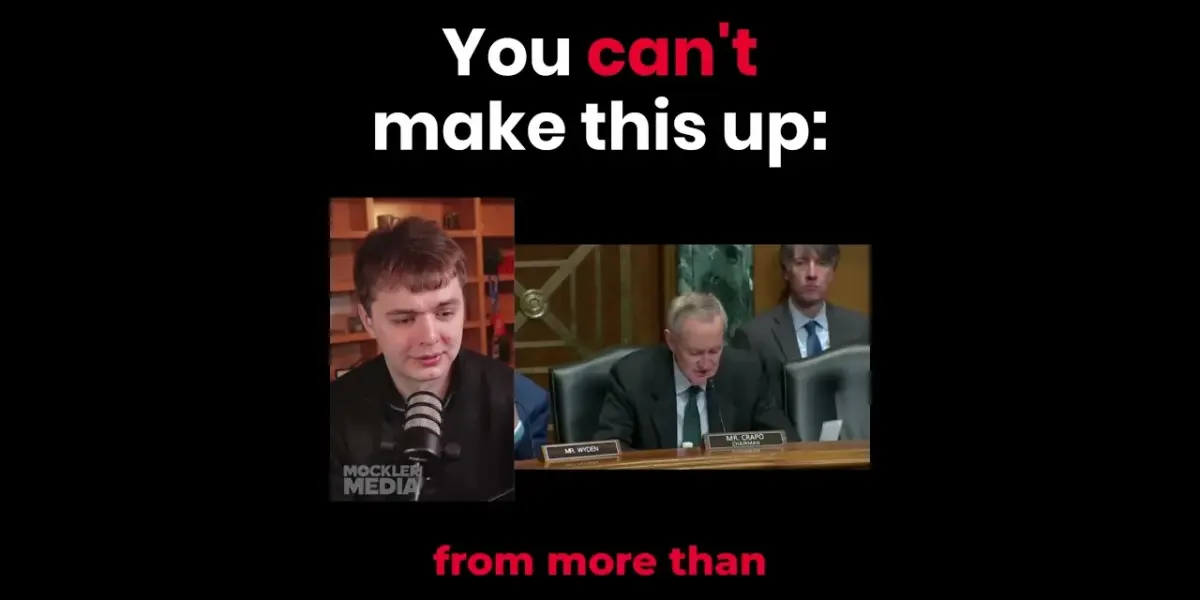
RFK Jr.’s Health Stance Sparks Concerns
Watching Robert F. Kennedy Jr. testify before a Senate committee recently brought a chilling thought to mind. If we adopted the health practices he seems to endorse, like drinking raw milk and rejecting modern medicine, the public health consequences would be dire.
This isn’t about personal choice in diet or medicine; it’s about the health secretary’s public statements and their potential influence. The idea that someone in such a critical public health role would advocate for practices widely considered unsafe is deeply troubling for many.
Nutrition: A Bedrock or a Bedrock of Misinformation?
During his testimony, Kennedy highlighted nutrition as a fundamental aspect of health. He stressed its importance in preventing and treating chronic diseases. He also stated that healthcare providers need better training to include nutrition in patient care.
He pointed to a positive development: over 50 medical schools have committed to offering at least 40 hours of nutrition education. This is a significant step towards better training for doctors. However, the context of his broader health views raises questions about the foundation of these nutrition discussions.
The Specter of Unscientific Health Practices
The transcript references a startling claim: Kennedy’s alleged past actions, including performing surgical procedures on animals. This detail, if accurate, paints a picture of someone with a concerning disregard for established scientific and medical practices. It suggests a willingness to engage in methods far outside the norm of responsible health guidance.
His stance against modern medicine, coupled with endorsements of practices like drinking raw milk, appears to contradict the consensus of medical and public health organizations. These groups warn of the serious risks associated with unpasteurized dairy products, including dangerous bacteria like Listeria, Salmonella, and E. Coli.
Concerns Over Communication and Credibility
Beyond the controversial health ideas, there was a notable physical aspect to his testimony that drew commentary. The description of his breathing, likened to a movie villain’s labored breaths, suggests a health issue. While personal health struggles are not a basis for criticism, the visual and auditory presentation during a formal hearing was striking to observers.
The suggestion that his advisors should have managed his microphone to mitigate the effect is telling. It points to a potential lack of preparedness or awareness in managing his public presentation. When the health secretary struggles to communicate clearly, it can undermine confidence in his leadership.
Why This Matters
As the nation’s health secretary, Robert F. Kennedy Jr.’s public statements carry immense weight.
His views on health, nutrition, and medicine can influence public perception and behavior. Promoting unscientific or risky health practices could have serious consequences for individual and public health.
It is crucial for leaders in public health to rely on evidence-based science and established medical guidance. Their role is to protect and improve the health of the population, not to promote potentially harmful alternatives. The credibility of public health institutions depends on the trustworthiness and scientific grounding of its leaders.
Implications and Future Outlook
The concerns raised by Kennedy’s testimony highlight a broader societal debate about health information. The spread of misinformation, especially online, makes it difficult for people to distinguish between sound medical advice and dangerous pseudoscience. Leaders in health must be beacons of accurate information.
Moving forward, it will be important to watch how Kennedy addresses these criticisms and whether his public health policies align with scientific consensus. The focus on nutrition education in medical schools is a positive trend, but it must be part of a larger framework of evidence-based healthcare.
Historical Context
The debate over nutrition and conventional medicine has a long history. For decades, alternative health movements have challenged mainstream medical approaches. While some alternative therapies have shown promise, many lack rigorous scientific backing and can be harmful if they replace proven treatments.
Figures like Kennedy often tap into public distrust of large institutions, including pharmaceutical companies and government health agencies. This distrust can make their messages appealing, even when they promote scientifically unsupported ideas. Understanding this historical context helps explain the appeal of certain health narratives.
The Path Forward
The health of the nation relies on informed decisions, both by individuals and by those in leadership positions. Clear, science-backed communication from public health officials is essential. The Senate committee hearing served as a clear reminder of the need for vigilance in protecting public health.
The commitment to improving nutrition education in medical schools is a step in the right direction. However, the focus must remain on promoting health practices that are proven to be safe and effective, grounded in scientific evidence.
Source: RFK Is COOKED 😭🤦♂️ (YouTube)

Related Articles


UK Bans Future Generations From Buying Cigarettes
The UK has passed a law preventing anyone born in 2009 or later from legally buying cigarettes, aiming to create a smoke-free generation. This bill also tightens controls on vaping, banning sales to under-18s and restricting advertising. The government expects these measures to improve public health and reduce pressure on the NHS.

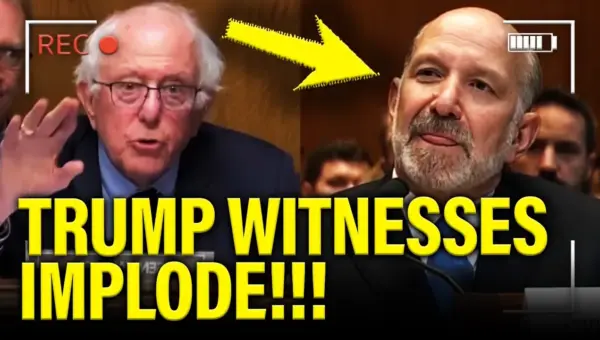
Trump Officials Falter Under Scrutiny in Senate Hearings
Top Trump administration officials faced intense questioning in recent Senate hearings. Treasury Secretary Scott Bessant and Commerce Secretary Howard Lutnik were pressed on financial dealings and past associations. Health Secretary RFK Jr. was questioned on grocery prices, chemical companies, and vaccine views. Energy Secretary Chris Wright addressed rising energy costs. The hearings highlighted concerns about transparency and policy impacts.
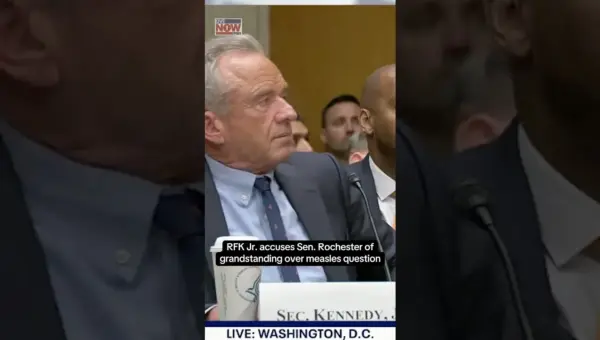
Health Chief Dodges Measles Surge Question
The head of the nation's leading health agency faced tough questions about the growing measles surge and the president's awareness of the crisis. During a congressional hearing, the official struggled to provide a direct answer regarding the president's knowledge and their own role in addressing the outbreak. The exchange highlighted concerns about the administration's response to the public health threat.