World Cup Woes: Boycott Calls Threaten US Tourism
Reports indicate a surprising lack of international interest in the upcoming FIFA World Cup hosted in the U.S., leading to widespread hotel cancellations. Calls for a boycott are growing, fueled by concerns over high costs, inflation, and political actions, threatening the event's expected economic benefits.

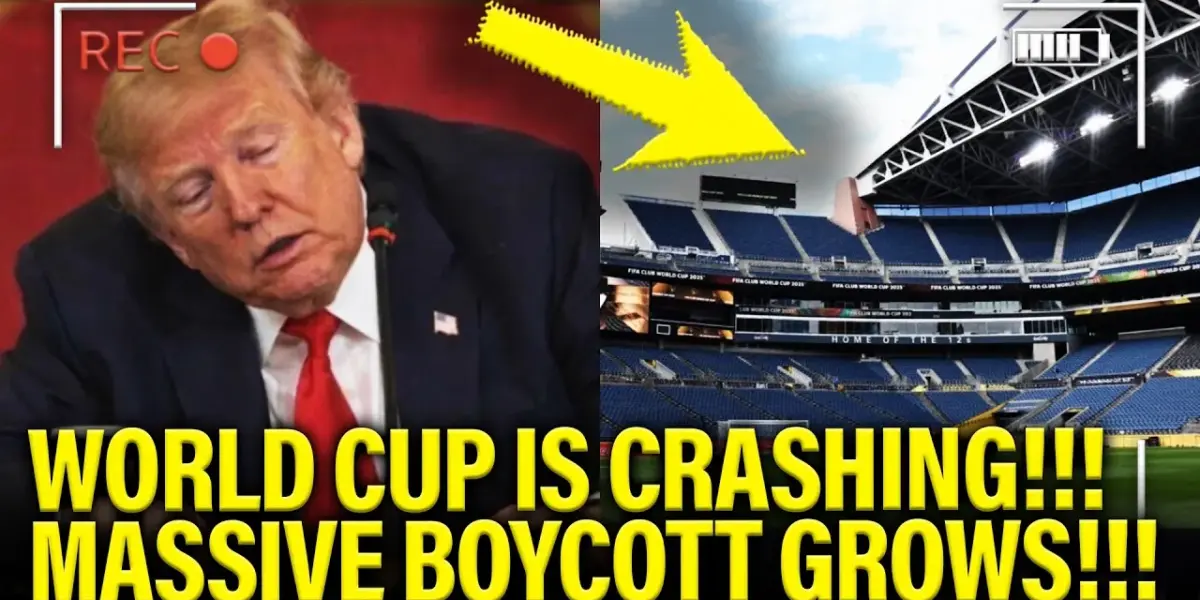
World Cup Woes: Boycott Calls Threaten US Tourism
Reports suggest that the much-anticipated FIFA World Cup in the United States might not draw the crowds expected. Several credible sources, including the Financial Times and the tourism industry, indicate that global interest in visiting the U.S. for the event is lower than anticipated. This has led to widespread cancellations of hotel bookings and a surprising number of vacancies in cities preparing to host matches.
A growing movement is calling for a boycott of the World Cup. Protesters cite concerns about high costs, rising inflation in the U.S., and a perceived harsh immigration policy under Donald Trump. Some international voices have labeled Trump a “war criminal” and warned against traveling to the U.S., fearing potential harassment or detainment by immigration authorities.
Calls for Action and International Discontent
The sentiment appears to be spreading, with some international teams and fans expressing reluctance to participate. Reports mention that some national teams might prefer playing in neighboring countries like Canada or Mexico instead of the U.S. This growing anti-American sentiment, fueled by political actions and perceived threats, is leading to calls for hitting back at what some see as an abusive global stance.
The controversy extends beyond the World Cup, with links drawn to other international sports and investments. For instance, the Saudi-backed LIV Golf League, which previously disrupted professional golf, is reportedly facing financial difficulties. This situation is being linked by some commentators to geopolitical tensions and a perceived failure of past agreements, suggesting a broader impact of international relations on sports funding.
Economic Impact and Shifting Expectations
The U.S. economy was projected to receive a significant boost from the World Cup, with estimates of over $30 billion from millions of international visitors. However, these projections are now in doubt as demand has not met expectations. FIFA has reportedly begun canceling tens of thousands of reserved hotel rooms in host cities, a sign that the economic benefits may not materialize as planned.
Industry executives are pointing fingers at the current political climate, suggesting that a decrease in people’s desire to visit the U.S. is directly related to recent political actions. Concerns about security, immigration enforcement, and international conflicts are being cited as reasons for the drop in tourism interest. This has led to hotels slashing room rates in an attempt to attract any available visitors.
Historical Context and Political Undercurrents
This situation is not unfolding in a vacuum. The transcript references past events and political rhetoric that have shaped international perceptions.
Comments about potential immigration crackdowns, including the use of ICE and Border Patrol at the event, have created anxiety. Some are drawing parallels to past controversial actions and statements, fueling a narrative of fear and distrust among potential visitors.
The World Cup, intended as a unifying global event, is now caught in a political storm. International officials and public figures are weighing in, with some suggesting that a boycott is the only logical response to the current political climate. These calls for boycotts highlight the deep divisions and concerns that have emerged, potentially overshadowing the sporting aspect of the tournament.
Why This Matters
The potential fallout from a World Cup boycott extends beyond just canceled hotel rooms. It represents a significant blow to the U.S.’s image on the global stage and could have lasting economic consequences. The event was expected to be a major economic driver, bringing jobs and revenue to host cities and beyond.
The controversy highlights the increasing intersection of sports, politics, and international relations. What happens on the field is now heavily influenced by what happens in government and on the global political stage. This trend suggests that major international sporting events may face greater scrutiny and potential disruption in the future.
Future Outlook and Lingering Concerns
As the World Cup approaches, the debate over boycotts and travel advisories is likely to intensify. The U.S. government and FIFA face the challenge of addressing international concerns about safety, affordability, and political stability. The success of the tournament may depend on their ability to reassure the global community and mitigate the negative perceptions that have taken hold.
The situation is a clear reminder that global events are deeply intertwined with political realities. The coming months will reveal whether these boycott calls gain significant traction and how they ultimately impact the FIFA World Cup and the U.S.’s standing among international visitors. The next major milestone for the World Cup preparations is the opening match scheduled for June 11th.
Source: 🚨Trump gets HIS KARMA as FIFA WORLD CUP COLLAPSES!!!! (YouTube)

Related Articles

Trump’s Ballroom Built With Foreign Steel, Not ‘Buy America’
President Trump's new White House ballroom is reportedly being built with tens of millions of dollars in steel donated by European manufacturer ArcelorMittal. This use of foreign steel has drawn attention, given Trump's 'Buy America' policy. The White House defended the project as a taxpayer-funded enhancement.

Trump’s AI Jesus Image Sparks Outrage Among Christian Voters
Donald Trump's campaign faced backlash after posting an AI-generated image of himself as Jesus, drawing sharp criticism from Christian supporters who called it "disgusting" and "blasphemy." The controversy highlights the delicate balance between political messaging and religious reverence, even as core policy issues may ultimately influence voter decisions.

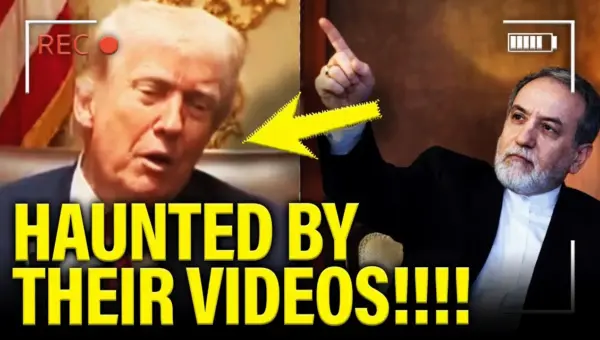
Iran’s AI Trolls Trump With Viral Videos
Iran is using AI-generated videos, often with a playful Lego animation style, to mock Donald Trump and his family. These viral clips aim to portray Trump as weak and out of touch, turning his own social media tactics against him in a new form of digital warfare.