Iran War Strains China’s Economy, Stirs Global Tensions
China faces mounting economic pressure due to the ongoing Iran conflict, impacting its growth targets and long-term economic plans. While Beijing criticizes U.S. actions and proposes peace, its significant oil purchases from Iran complicate its position. The situation reflects a global trend towards prioritizing national interests, potentially leading to a "zero-sum" international dynamic.

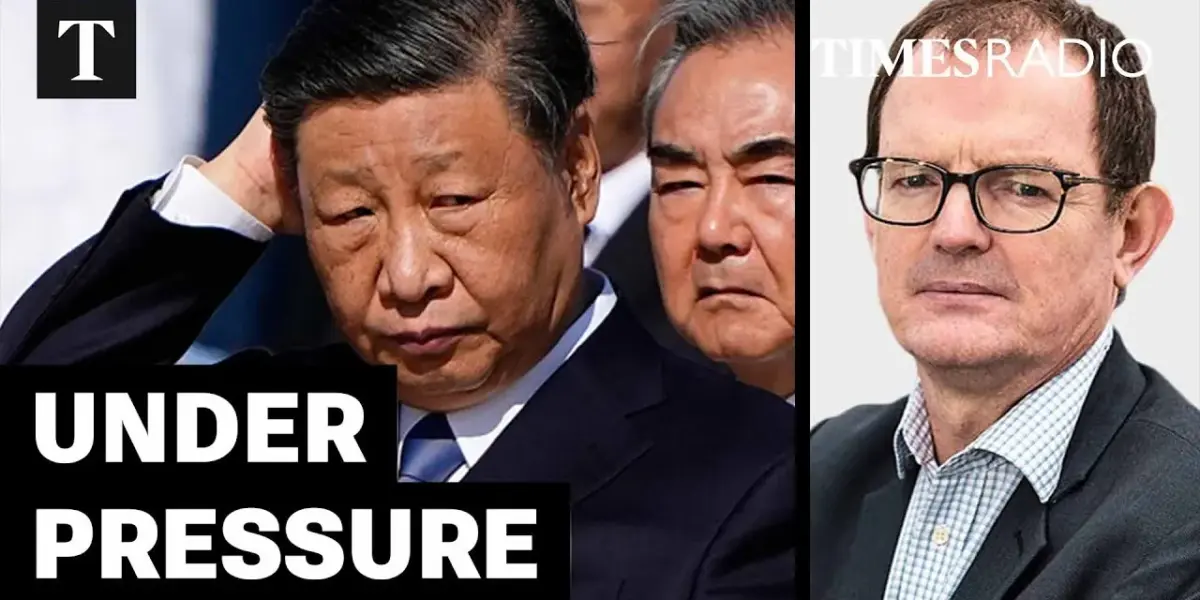
Global Tensions Rise as Iran Conflict Impacts China’s Economy
The ongoing conflict in Iran is creating significant economic pressure on China, a major buyer of Iranian oil. This situation, coupled with global instability, is forcing China to reassess its long-term economic strategy and its role on the world stage. International correspondent Richard Spencer discussed these complex dynamics in a recent interview.
China’s Economic Slowdown and Strategic Response
China’s economic growth has slowed in recent years, with projections for this year around 4.5% to 5%. While this may seem strong by Western standards, it falls short of the growth rates China has become accustomed to. To achieve even this moderate growth, Beijing has had to implement measures that differ greatly from Western economic approaches.
The nation faces internal challenges, including a highly unequal society and stalled growth in some of its inland regions. While major cities like Shenzhen and Shanghai continue to perform well, concerns about the long-term sustainability of China’s economic model persist. The government aims to shift towards a consumption-led economy, a goal hindered by external constraints like the ongoing conflict and related sanctions.
Navigating the Iran Conflict: A Tightrope Walk for Beijing
Beijing has publicly criticized the U.S. blockade of Iran, warning of a dangerous return to a “law of the jungle” globally. China has proposed a four-point peace plan for the region. However, its position is complicated by its significant reliance on Iranian oil. China purchases between 80% and 90% of Iran’s sanctioned oil exports, a volume equivalent to three years of supply from Iran.
Despite this reliance, reports suggest China may have been somewhat surprised by the intensity and duration of the current conflict. While the U.S. and its allies have taken actions, China has been preparing. For over a year, it has been building its oil reserves, accumulating a massive 1.3 billion barrels. This reserve is enough to sustain the country for approximately four to five months, providing a buffer against immediate supply shocks.
Accusations and Denials: China’s Role in Iran’s Arms
The interview touched upon accusations that China is arming Iran. China strongly denies these claims, particularly reports suggesting it planned to send air defense missiles to Iran, which were referenced by U.S. President Donald Trump. While China acknowledges supplying goods to Iran, as it does to other nations, it maintains these are not weapons.
However, Spencer noted that, as with supplies to Russia, some goods could potentially be repurposed to help Iran rebuild its missile capabilities. This highlights the complex nature of international trade and the difficulty in distinguishing between civilian and military applications, especially during times of geopolitical tension. China is undoubtedly a supporter of Iran, a fact that complicates its diplomatic efforts.
A World of “Zero-Sum” Interests
The current global climate is characterized by a shift away from the idea of a universally beneficial, “win-win” world. Spencer described the current international relations as increasingly “zero-sum,” where nations prioritize their own interests as defined by their leaders. He pointed to the current U.S. leadership as an example of “eccentric leadership” that interprets American interests as being at the expense of other states.
This approach risks a return to actions where countries act solely in their self-interest, potentially harming their neighbors. China, traditionally, has not positioned itself as a global savior. Instead, it operates with a belief, akin to Adam Smith’s economic principles, that individual pursuit of profit ultimately benefits everyone. While the West may have moved beyond this philosophy, the current geopolitical climate suggests a potential return to such a mindset.
Looking Ahead: Economic Stability and Geopolitical Realignments
The Iran conflict’s duration and its impact on global energy markets remain key factors to watch. China’s ability to manage its internal economic pressures while navigating these international challenges will be crucial. The current geopolitical landscape, marked by a focus on national interests and a potential “zero-sum” mentality, suggests that diplomatic resolutions may become more challenging. The world is watching to see how these economic and political forces will realign global relationships in the coming months and years.
Source: China Faces Growing Economic Pressure As Iran War Drags On | Richard Spencer (YouTube)

Related Articles
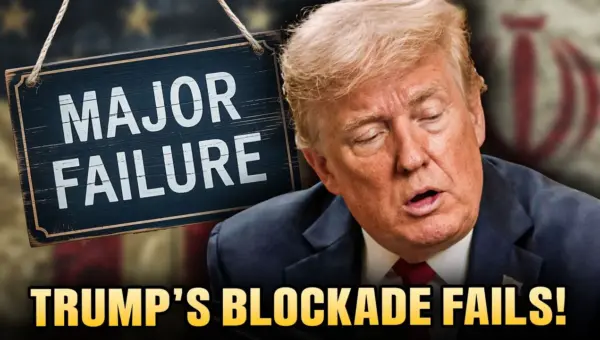
Trump’s Blockade Fails, Allies Shun Mission: A Pattern?
A reported failure of Donald Trump's blockade of the Strait of Hormuz, with ships passing through unimpeded, raises questions about policy effectiveness. This incident, coupled with allies' reluctance to join the mission, suggests a pattern of unintended consequences and strained international relations.


Russia’s War Costs Strain Putin’s Elite Bargain
Russia's prolonged war in Ukraine is straining President Putin's grip on power. Declining oil revenues and escalating military costs are forcing internal power shifts, with intelligence services reportedly gaining influence. This financial pressure is creating significant discontent among the elite and risking broader instability within the Kremlin.

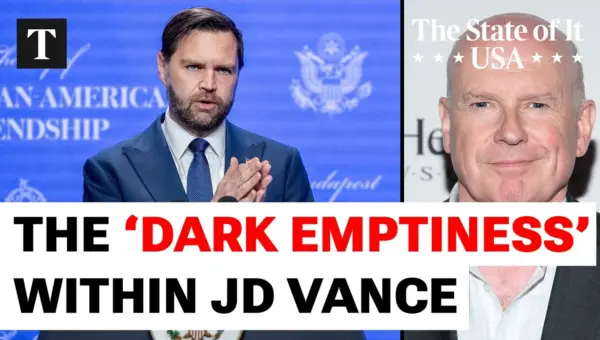
Trump’s “Malignant Narcissism” and Vance’s “Dark Emptiness”
Gerard Baker and Katy Balls discuss Donald Trump's "malignant narcissism" and JD Vance's perceived "dark emptiness." The conversation covers the US blockade of Iran, Vance's evolving role, and Trump's controversial "Jesus Christ" post, exploring its political implications and the nature of faith and authenticity in politics.