Mysterious Blasts Rock Iran Amid Escalating Tensions
Mysterious explosions continue to target critical sites in Iran, fueling fears of escalation amid stalled ceasefire talks. With Iran refusing negotiations and suspecting an imminent attack, and military airlifts ongoing, the region faces heightened tensions.

Mysterious Blasts Rock Iran Amid Escalating Tensions
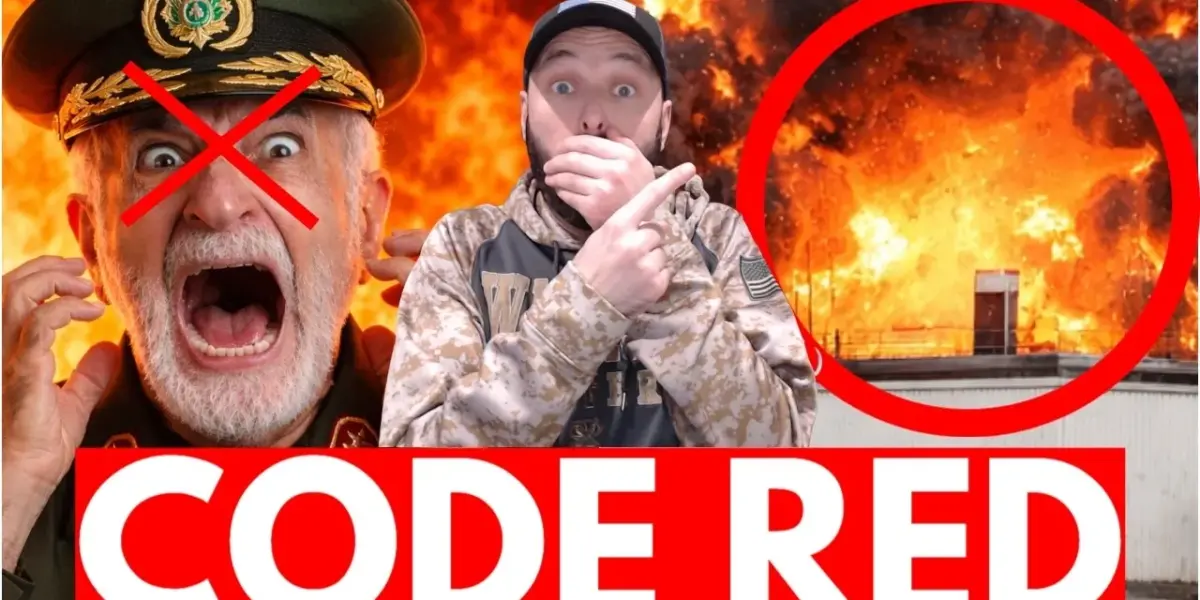
On April 19th, Iran was hit by another unexplained explosion. This blast targeted a critical facility, a shipbuilding factory in Gambad E, Kuvas.
This event adds to a series of mysterious incidents that have plagued the country. These explosions have occurred both before and during a ceasefire, raising serious questions about their origin and purpose.
Before the recent conflict, Iran experienced daily explosions targeting key infrastructure and residences of leaders. The government consistently blamed gas leaks for these incidents. However, these supposed leaks seemed to selectively impact vital sites.
When a ceasefire began, these mysterious explosions resumed. The government again cited gas leaks, but many suspect a more covert operation is at play.
The recent explosion at the shipbuilding factory is significant. This facility was crucial for Iran’s naval capabilities. Many of their large navy ships have already been destroyed.
This blast appears to be an effort to prevent Iran from rebuilding its fleet. The footage shows extensive damage and smoke billowing from the factory, highlighting the scale of destruction.
Speculation about who is behind these explosions is widespread. Some point to external actors like the CIA or Mossad. Others wonder if Iran itself is staging these events as false flags.
The goal might be to create a narrative of ceasefire violations by an enemy. The consistent targeting of key infrastructure suggests a deliberate, coordinated effort rather than accidental events.
Aircraft Activity and Missile Displays
Adding to the tension, there has been significant aircraft activity over Iranian airspace. Reports indicate fighter jets, including MiG 29s and F4 Phantoms, have been seen flying.
It remains unclear if these are newly supplied planes or aircraft that were hidden. This increased aerial presence comes as the situation in the region continues to become more unstable.
Iran has also released footage of its underground missile facilities. This display shows ballistic missiles, drones, and launchers. The government aims to signal that it still possesses significant launch capabilities.
US intelligence estimates suggest Iran retains between 40% and 60% of its missile arsenal. However, it is unknown when this footage was actually filmed, raising doubts about its current relevance.
Strait of Hormuz and Negotiations
The Strait of Hormuz, a vital oil shipping route, has been effectively shut down. No tankers have been observed crossing the strait in recent days. This follows attacks on multiple ships.
Iran has stated that the United States must accept a new mechanism for regulating activity in the Strait. They are demanding complete control of this waterway after the conflict ends, a demand the US is unlikely to accept.
Negotiations between Iran and the US have stalled. Iran has officially rejected participating in a second round of talks. They view the current diplomatic efforts with suspicion.
An Iranian source reported a belief that the enemy is planning a deception and that a new round of escalation is imminent. This perception makes them hesitant to engage in talks, fearing it’s a ploy to delay an impending attack.
Statements and Continued Airlift
Israeli Prime Minister Benjamin Netanyahu stated that his country is at war with Iran. He acknowledged significant gains but emphasized that the conflict is not over. Netanyahu warned that new developments could occur at any moment.
Meanwhile, a large US military transport plane, a C-17 Globemaster, was seen leaving Israel for Europe. This suggests a continued airlift operation to bring more supplies into the region.
The United States is actively reinforcing its presence and capabilities in the area. This ongoing airlift indicates a sustained commitment to the escalating situation.
Why This Matters
The series of mysterious explosions, heightened military activity, and stalled negotiations paint a grim picture. Iran appears to be preparing for further conflict, while also facing internal disruptions and external pressure. The control of the Strait of Hormuz remains a major point of contention.
The belief that an attack is imminent on both sides suggests a high risk of wider escalation. The situation remains extremely volatile.
Implications and Future Outlook
The current events suggest a dangerous trajectory towards open conflict. Iran’s refusal to negotiate and its belief in an impending attack point to a breakdown in diplomatic channels.
The visible military buildup and continued airlift operations by the US and its allies signal a readiness for further engagement. The economic impact of a closed Strait of Hormuz would be severe, affecting global energy markets.
Historical Context
Tensions between Iran and the US, along with its allies, have a long history. Decades of strained relations, regional proxy conflicts, and nuclear program disputes have created a volatile environment.
The current events are a continuation of these long-standing geopolitical struggles. Past incidents of unexplained sabotage and military posturing have often preceded larger confrontations.
As of April 19th, the situation remains critical. Another unexplained explosion has hit a key Iranian facility. Iran has withdrawn from crucial negotiations, fearing an imminent attack.
Military airlifts continue, signaling ongoing preparations for conflict. The world watches as the region teeters on the brink of further escalation.
Source: Iran ROCKED By Massive Explosion – Regime PANICKING (YouTube)

Related Articles

Pentagon Barred Trump Due to “Volatile” Behavior
Top Pentagon officials reportedly excluded then-President Donald Trump from a critical briefing after Iran shot down a U.S. drone due to concerns about his "volatile" behavior. Aides feared his impatience would disrupt necessary planning, opting instead to update him at key moments.


Iran Tensions Rise: Trump Threatens ‘Blockade and Bombs’
President Trump is escalating pressure on Iran amid a standoff in the Strait of Hormuz, threatening "blockade and bombs" if a deal isn't reached. New York Mayor Zohran Mamdani discussed his progress on campaign promises and his relationship with the President. Polls reveal public concern over the Iran conflict and the economy, impacting Trump's approval ratings.


Spain, Latin America Forge New Alliance Against US Hegemony
Spain and Latin American nations are forging new alliances, creating a united front against US global influence. This growing bloc, highlighted by a summit in Barcelona, seeks to reduce dependence on American policies and assert greater regional autonomy. The shift signals a changing world order where middle powers are consolidating economic leverage.