Trump’s Iran Strategy Falters Amid Strait of Hormuz Crisis
President Trump's strategy for dealing with Iran is under scrutiny as tensions rise over the Strait of Hormuz. Despite U.S. military actions, Iran appears to maintain significant leverage, controlling a vital global oil route. Mixed messages from the White House and a hardline new Iranian leadership add complexity to the ongoing diplomatic efforts.

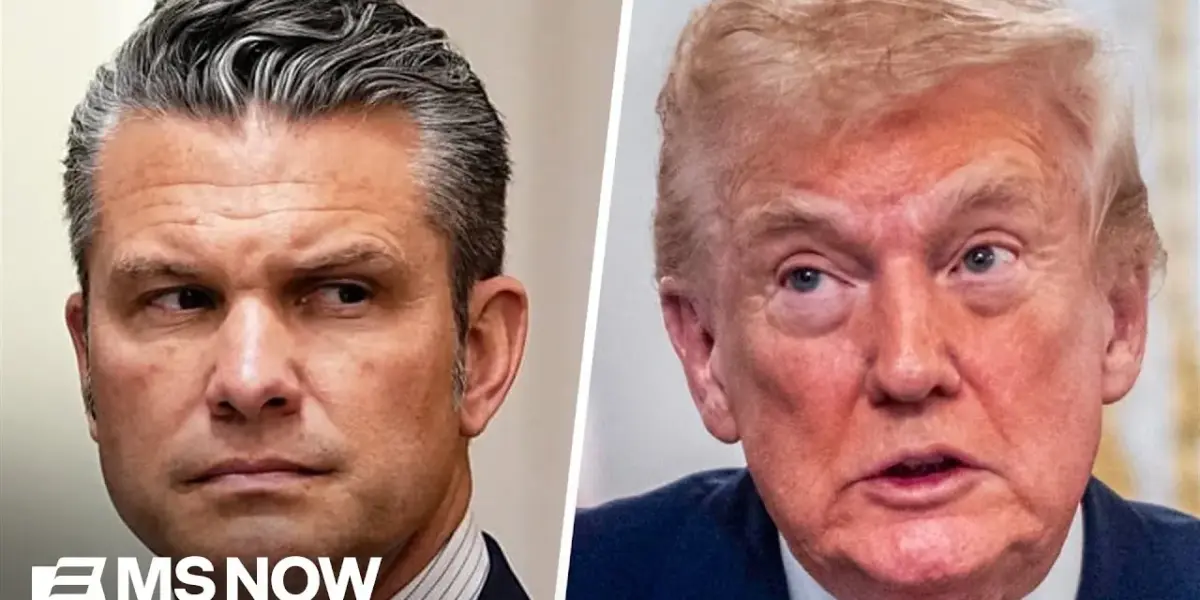
Trump’s Iran Strategy Questioned Amid Escalating Tensions
Reports indicate that President Trump’s approach to translating military actions into lasting diplomatic gains with Iran is facing significant challenges. Despite initial declarations of triumph, the situation around the crucial Strait of Hormuz has become more complex, with Iran appearing to hold significant leverage. This has led to questions about the effectiveness of the administration’s strategy in achieving its stated objectives.
Strait of Hormuz Blockade Sparks Global Concern
The conflict’s escalation became starkly clear when Iran threatened to close the Strait of Hormuz, a vital global oil transit route. This move followed President Trump’s announcement that the U.S. would maintain a naval blockade, intended as a pressure tactic for final concessions.
Iran’s response was swift: closing the strait and firing on ships that attempted passage. Consequently, global energy prices have seen another rise.
The Strait of Hormuz is a critical chokepoint, with approximately 20% of the world’s oil flowing through it daily. Iran’s ability to control this waterway represents a significant economic weapon. Attempts by the U.S. to counter this, ranging from threats to blockading Iran’s own blockade, have so far proven ineffective.
Conflicting Messages and Market Uncertainty
President Trump’s public statements have often sent mixed signals, creating confusion both domestically and internationally. While aiming to project control and reassure markets, he has also used social media to issue threats against Iran, seeking further concessions. This dual approach has led to a lack of clear direction, with experts suggesting that Iran feels it has the upper hand.
The markets, however, have remained relatively stable, suggesting a belief that a negotiated settlement will eventually occur. Should diplomatic efforts fail and military action resume, a more significant market reaction is expected. This highlights the delicate balance the administration is trying to maintain.
Diplomatic Efforts and Sticking Points
Behind the scenes, intensive discussions are reportedly taking place, possibly through third-party mediators like Pakistan. A key sticking point in negotiations appears to be the U.S. naval blockade of Iranian ports. Iran has indicated it cannot negotiate effectively while the blockade remains, even after agreeing to open the strait.
The details of a potential cease-fire, its duration, and future actions in the Strait of Hormuz are all part of these fluid, ongoing discussions. The ability to agree on these terms is crucial for any progress in bringing Iranian negotiators to the table.
Critics Question Strategy Over Tactics
Some analysts and former officials have criticized the administration’s focus on military actions without a clear broad strategy. Citing former Defense Secretary Jim Mattis, they argue that extensive “targeting” is not a substitute for a coherent plan to achieve lasting U.S. objectives.
“Targetry is not a substitution for strategy.” – Jim Mattis
The lack of clarity on U.S. objectives, including shifts between regime change and other goals, further complicates the situation. This ambiguity makes it difficult for the U.S. to achieve a clear victory, especially when Iran continues to control the Strait of Hormuz.
New Leadership in Iran and Future Implications
The recent succession of a new, hardline Ayatollah, believed to be even more rigid than his predecessor, adds another layer of complexity. This new leadership, closely aligned with the Islamic Revolutionary Guard Corps (IRGC), appears less interested in a deal. Reports suggest that pragmatic figures within the Iranian government may hold less power.
The IRGC has openly mocked the foreign ministry’s statements regarding the Strait of Hormuz. This internal dynamic suggests that the current Iranian regime is more hawkish and potentially more dangerous than the previous one. This development raises concerns about whether the current situation is truly in America’s best interest.
Analysis: A Strategic Impasse
The current situation presents a strategic impasse. Despite significant military damage inflicted on Iran, it retains control over the Strait of Hormuz, a fact recognized globally due to its impact on oil prices and inflation. If the conflict concludes with Iran holding greater control over the strait than before it began, it could be viewed as a defeat for the United States.
The administration’s strategy appears to be caught between projecting strength and seeking a diplomatic resolution, with mixed results. The coming days will be critical in determining whether a negotiated settlement can be reached or if the conflict will escalate further, impacting global markets and regional stability.
Source: 'Little strategy' from Trump on translating military accomplishments into something 'durable': Boot (YouTube)

Related Articles

Kushner’s Iran Talks Draw ‘Repulsive’ Criticism
Rachel Maddow of MSNBC has voiced strong disapproval of Jared Kushner's reported involvement in negotiating with Iran. She described the situation as 'repulsive,' citing concerns over Kushner's business interests and lack of traditional diplomatic experience. This raises questions about potential conflicts of interest and the effectiveness of such sensitive talks.

GOP Strategists Gather as Trump’s Numbers Plummet
GOP strategists are holding emergency meetings as Donald Trump's public support appears to be collapsing before the midterms. Chief of Staff Susie Wilds is reportedly leading efforts to control the narrative and rally party unity. However, critics argue that the core problem lies with Trump himself, making any spin efforts futile.

Ukraine Strikes Cripple Russian Oil; US Goes Global
Ukraine's drone attacks are crippling Russian oil exports and production, forcing significant output reductions. Simultaneously, the U.S. Navy is expanding its reach globally, seizing Iranian oil tankers far from the Persian Gulf. This dual pressure signals a potential breakdown of global trade in energy, agriculture, and manufacturing.