Texas Oil Blast Forces Evacuations, Ignites Safety Fears
A massive oil well explosion and subsequent fire near Houston forced residents to evacuate, raising urgent questions about safety in Texas's vital energy sector. The incident highlights the ongoing challenges of balancing energy production with community and environmental protection.

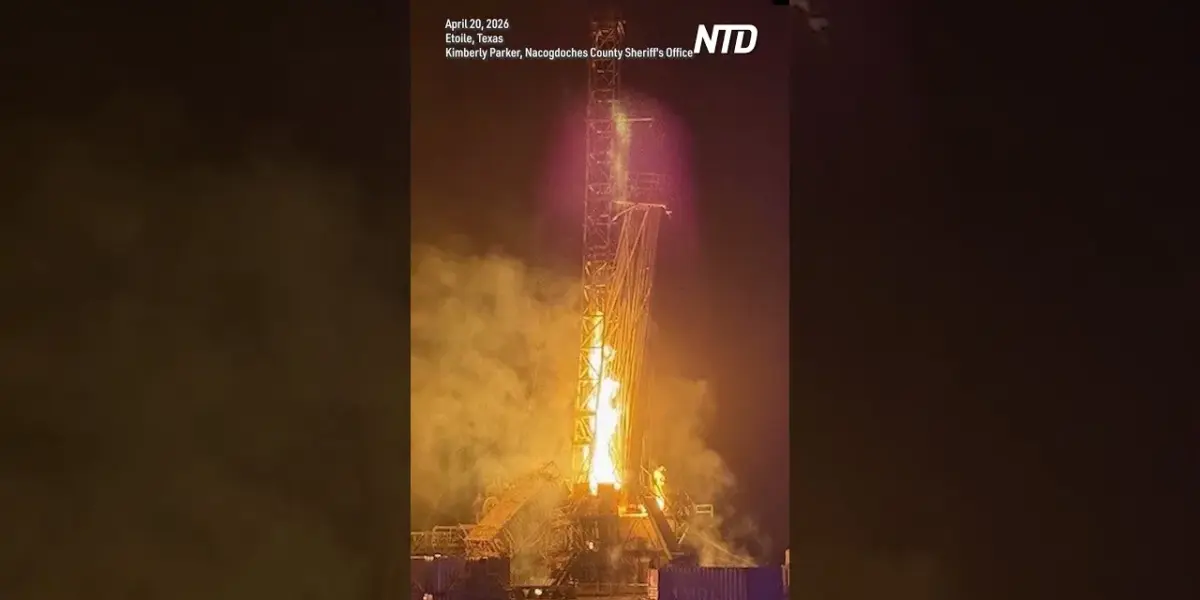
Texas Oil Blast Forces Evacuations, Ignites Safety Fears
An explosion at an oil well near Houston, Texas, sent shockwaves through the community on Monday, forcing residents to evacuate their homes. The massive fire that followed the blast created a terrifying scene, raising serious questions about safety standards in the region’s booming energy sector.
The incident occurred in eastern Texas, a heavily industrialized area with numerous oil and gas operations. Details about the exact cause of the explosion are still emerging, but the immediate impact was clear: a powerful blast followed by an uncontrollable fire that lit up the sky. Emergency crews rushed to the scene, but the sheer scale of the fire made it a difficult and dangerous challenge to contain.
Community Under Threat
The immediate priority was the safety of people living nearby. Authorities issued evacuation orders for residents in the immediate vicinity of the well.
This is a common response to such incidents, as the risk of further explosions, toxic fumes, and spreading fire poses a direct threat to life and property. Families were forced to leave their homes, unsure of when they would be able to return or what they might find.
Living near industrial sites like oil wells always carries some level of risk. However, events like this explosion serve as a clear reminder of the potential dangers.
The fear and uncertainty experienced by those evacuated highlight the human cost of industrial accidents. It’s a situation that weighs heavily on the minds of everyone living in areas with significant energy infrastructure.
The Energy Industry’s Tightrope Walk
Texas is a powerhouse in the American energy industry, with a vast network of oil and gas wells. This industry provides jobs and economic benefits but also comes with inherent risks. Accidents, though not everyday occurrences, do happen, and they often have significant consequences for both the environment and local communities.
This explosion brings renewed attention to the safety protocols and regulations governing these operations. While companies are expected to adhere to strict safety standards, incidents like this suggest that gaps may exist or that accidents can still happen despite best efforts. The focus now will be on understanding what went wrong and ensuring such a disaster doesn’t happen again.
Historical Context of Oilfield Incidents
The oil and gas industry has a long history of accidents, from minor spills to catastrophic events. In the past, a lack of stringent regulations and advanced safety technology contributed to a higher frequency of incidents. Over time, industry practices and government oversight have evolved, leading to improved safety records in many areas.
However, the rapid pace of drilling and extraction, especially in areas with older infrastructure or in response to market demands, can sometimes lead to overlooked safety concerns. Each incident, unfortunately, is a painful lesson and a catalyst for further review of safety procedures and regulatory enforcement. This recent explosion is part of that ongoing, critical conversation.
Looking Ahead: Safety and Regulation
The aftermath of this explosion will likely involve thorough investigations into the cause. This includes examining equipment, operational procedures, and any potential human error. The findings will be crucial for determining accountability and implementing corrective actions to prevent future occurrences.
It is expected that regulatory bodies will review the incident closely. They may consider whether existing safety regulations are sufficient or if new measures are needed.
The industry itself will also face pressure to demonstrate its commitment to safety, possibly through enhanced training, updated technology, and stricter internal oversight. Public trust in the industry’s ability to operate safely is at stake.
Why This Matters
This explosion is more than just a local news story; it’s a critical moment for the communities living near energy infrastructure and for the broader discussion about energy production. It highlights the delicate balance between meeting energy demands and ensuring the safety of people and the environment. The incident is a powerful reminder that the pursuit of energy resources must always be accompanied by the highest standards of safety and responsibility.
The long-term implications could include stricter regulations, increased public scrutiny of oil and gas operations, and renewed calls for investment in safer technologies. It also impacts the people directly affected, who may face property damage, health concerns, and the emotional toll of displacement. Their experience highlights the importance of robust emergency response plans and community support systems.
Future Outlook
The focus will remain on the recovery and investigation process in the coming weeks and months. The energy industry, particularly in Texas, will be watching closely to see what changes, if any, are implemented as a result of this event. The goal is to move forward with improved safety measures that protect both workers and residents.
As the region begins to assess the damage and learn from this incident, the commitment to preventing future explosions and fires will be paramount. Ensuring the safety and well-being of communities near industrial sites must remain the top priority for all stakeholders involved in energy production.
Source: Massive Oil Well Explosion Near Houston Forces Evacuations (YouTube)

Related Articles

Pallet Fires Threaten California Supply Chains
Massive pallet fires in Southern California are highlighting critical vulnerabilities in industrial supply chains. These blazes, fueled by unlimited material, pose significant risks to firefighters and disrupt the flow of goods. The incidents underscore the need for greater resilience in global logistics.

US Faces Rising Business Fires: A Growing Economic Threat
Massive fires are increasingly engulfing businesses across the US, posing a significant economic threat. From industrial blazes in California to hazardous material incidents in Los Angeles, these infernos endanger livelihoods and communities. The growing danger highlights the immense risks faced by firefighters and the critical need for enhanced prevention and response strategies.


Trump Reads Bible: A Political Stage for Faith
Former President Donald Trump's participation in 'America Reads the Bible' highlights the intersection of faith and politics. The event featured readings from the book of Kings, focusing on King Solomon's story. This practice of using religious texts in public life is a long-standing tradition with varied interpretations and implications.