Berlin Renters Fight Back Against Illegal Price Hikes
Berlin renters are organizing to fight back against landlords charging illegal rents, often double the legal limit. Tenant alliances are forming to share resources and challenge landlords who may be deliberately breaking the rent brake law, highlighting the impact on the city's social structure.

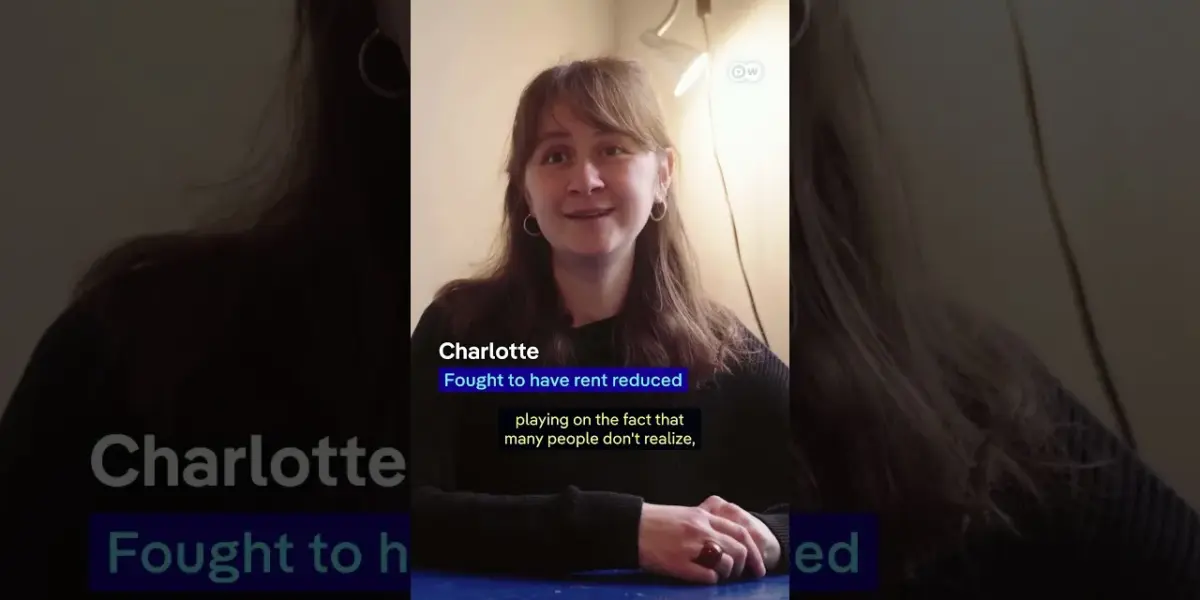
Renters Organize to Challenge Illegal Rent Increases in Berlin
In Berlin, a growing number of renters are pushing back against landlords who are illegally charging more than allowed by law. Many tenants face rents that are double the legal limit. This situation highlights a systemic issue where landlords may be deliberately breaking rent control laws, banking on tenants’ fear or lack of resources to prevent them from fighting back.
The Mietpreisbremse, or rent brake, is a law designed to cap rent increases in high-demand areas. Landlords who ignore these rules are essentially breaking the law. This practice affects the social fabric of the city, especially for families and young people who may be priced out of their own neighborhoods.
Understanding the Rent Brake Law
The rent brake law, or Mietpreisbremse, was introduced to protect tenants in areas with tight housing markets. It limits how much landlords can raise rent when a new tenant moves in. Specifically, the rent for a new lease cannot be more than 10% above the rent for the previous tenant, adjusted for the local rent level.
However, many landlords are reportedly circumventing this law. Some are even making it a business model to charge illegal rents.
They might believe that most tenants will not have the knowledge, time, or financial means to challenge these higher prices. This often leaves tenants feeling powerless against a system that should protect them.
The Human Cost of Illegal Rent Hikes
The consequences of these illegal rent hikes go beyond financial strain. They deeply impact the social structure of Berlin’s neighborhoods. When long-term residents, especially families with children, can no longer afford to live in their communities, it leads to displacement and a loss of local identity.
Growing up in a neighborhood and then being unable to find housing there due to soaring costs can have lasting effects on young people. This disconnect can impact their sense of belonging and their future opportunities. It raises serious questions about the long-term health and diversity of Berlin’s communities.
Organizing for Change: Tenant Alliances
Recognizing the widespread nature of this problem, renters are beginning to organize. Groups are forming to share information and provide support for tenants looking to challenge illegal rent increases. These alliances aim to empower tenants by showing them they are not alone and that collective action can be effective.
Legal experts and tenant advocacy groups are crucial in this fight. They help tenants understand their rights and the legal avenues available to them. By providing resources and guidance, these organizations are enabling more renters to confront landlords who are not complying with the law.
Landlord Tactics and Tenant Resistance
Some landlords have been found to be charging rents significantly higher than legally permitted. Reports indicate that in some cases, rents are double what they should be. This suggests a deliberate strategy by some property owners to exploit loopholes or disregard tenant protections.
The fear of eviction or lengthy legal battles often prevents tenants from taking action. However, the growing movement of tenant resistance is creating a counter-force. By pooling resources and knowledge, renters are becoming more confident in demanding fair rents and holding landlords accountable.
Legal Recourse and Future Outlook
Tenants who believe they are being overcharged can take several steps. They can seek advice from local tenant unions or legal aid societies. These organizations can help assess the legality of their rent and guide them through the process of demanding a rent reduction.
The ongoing struggle in Berlin’s rental market is a critical issue. As more tenants become aware of their rights and organize, the pressure on landlords to comply with the rent brake law is likely to increase. The city’s ability to maintain its diverse social fabric depends on fair housing practices for all its residents.
What’s Next for Berlin Renters?
Tenant groups are planning further actions and awareness campaigns to highlight illegal rent practices. They are also pushing for stricter enforcement of the rent brake law. The coming months will likely see more legal challenges and increased public scrutiny of landlord practices in Berlin.
Source: Fighting back on the Berlin rent market | DW News (YouTube)

Related Articles

Brooklyn Fights Back: Shelters Spark Resident Outrage
Brooklyn residents are protesting the construction of homeless shelters, citing safety concerns and potential profit motives by developers. Intense demonstrations, including blocking construction vehicles, highlight a growing conflict between community needs and the city's efforts to house its homeless population.


Bass Leads Mayor Race Amidst Voter Doubts
A new poll shows Los Angeles Mayor Karen Bass leading her reelection bid with 25% of the vote, but her lead is narrow. Over half of voters view her unfavorably, raising concerns for her campaign. Other candidates are actively debating key city issues like housing, aiming to capture undecided voters.


UK Govt Condemns “Attack On Us All” After Arson of Jewish Ambulances
Four ambulances owned by a Jewish volunteer group were destroyed in a suspected anti-Semitic arson attack in North London. The government condemned the incident as an "attack on us all" while also addressing concerns about potential Iranian missile threats and announcing plans for seven new towns.