Iran’s Nuclear Program Not Obliterated Despite Attacks, Expert Warns
A U.S. nuclear expert believes Iran's nuclear program has not been destroyed by recent attacks, with the country still possessing enriched uranium and demanding the right to enrich more. This stance, driven by geopolitical concerns, makes a better nuclear deal than the 2015 agreement highly unlikely. Tensions also remain high with recent incidents involving shipping in the Gulf and a journalist's death in Lebanon.

Iran’s Nuclear Ambitions Persist Post-Attacks
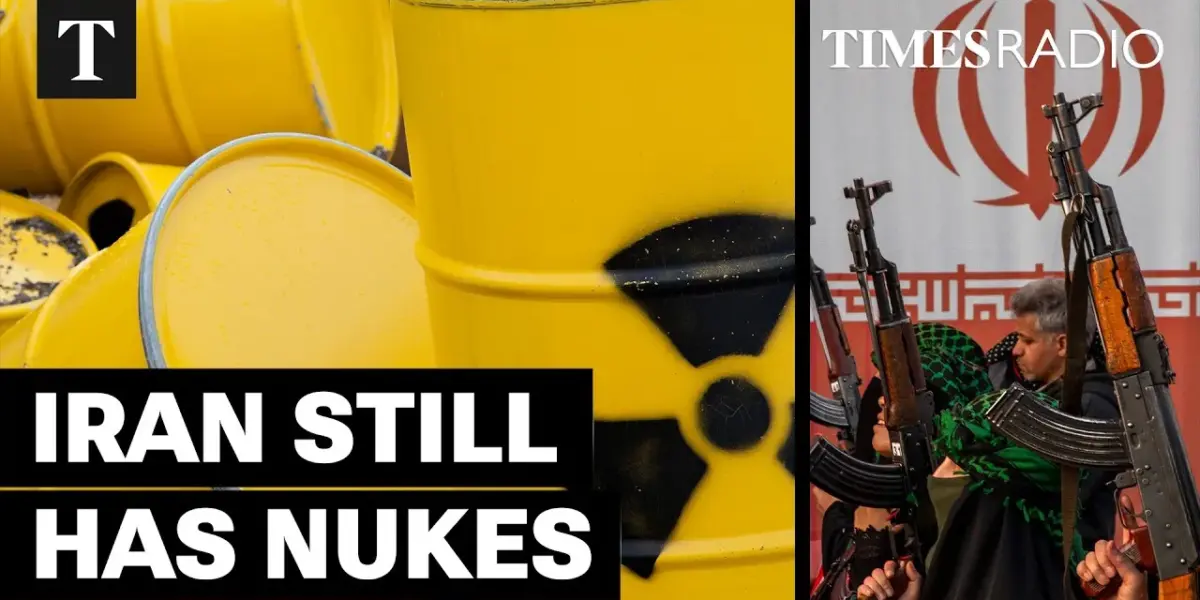
Recent air attacks have degraded Iran’s nuclear capabilities, but have not eliminated them, according to a U.S. nuclear expert. Frank Rose, a former principal deputy administrator at the National Nuclear Security Administration, stated that while Iran’s ability to develop a nuclear weapon has been set back, the fundamental issues remain unresolved. This assessment comes as President Trump seeks a new nuclear deal with Iran, aiming for terms significantly different from the 2015 agreement.
Enriched Uranium and Enrichment Rights Fuel Tensions
Experts estimate Iran possesses around 400 kilograms of enriched uranium, which could be used to build a nuclear bomb. While this material is believed to be stored underground, the United States has insisted on its removal as part of any agreement. However, the core of the ongoing negotiations, and a major sticking point, is Iran’s demand to retain the right to enrich uranium domestically.
Rose explained that maintaining enrichment capability allows Iran the potential to quickly develop a bomb if it chooses. This right is central to the current standoff between the U.S. and Iran.
The non-proliferation treaty allows nations civilian nuclear programs, but it does not grant the right to enrich uranium. Most countries with such programs import enriched uranium from other nations like Russia or Kazakhstan.
Geopolitical Fears Drive Iran’s Stance
Iran’s insistence on its enrichment rights, Rose believes, is fundamentally about preserving the option to pursue a nuclear weapon should its geopolitical situation demand it. He pointed to the example of North Korea, which possesses nuclear weapons and has faced fewer repercussions than Iran, as a potential motivator for the Iranian regime. The recent events, in the eyes of Iranian leaders, may reinforce their belief that nuclear weapons are essential for regime security.
“The question has it been obliterated? And I would say no. … One of the stipulations that the United States has said is that it wants that…
Stuff removed. Okay.
So even but even if you remove that uranium the fundamental question is this… Is Iran is demanding the right to continue to enrich uranium and once you maintain that capability you have the capability to break out at some point and build a bomb.”
Frank Rose, Former Deputy Administrator, National Nuclear Security Administration
Deal Prospects Diminish Amidst Entrenched Positions
Rose expressed skepticism about the possibility of securing a deal that is significantly better than the 2015 Joint Comprehensive Plan of Action (JCPOA). He anticipates continued challenges as Iran remains determined to keep its enrichment capabilities. For Iran, the right to enrich uranium is seen as an existential issue, making concessions on this point highly unlikely.
Turbulence in U.S. Defense Leadership
In separate but related news, the U.S. Navy Secretary John Felen is leaving his post immediately. While Rose stated he didn’t have specific details about Felen’s departure, he noted a pattern of significant senior-level turnover within the Department of Defense. This turmoil, occurring during a period of international conflict, is seen as potentially detrimental to morale and operational stability.
Escalation in Lebanon and Gulf Shipping Concerns
Meanwhile, the conflict between Israel and Hezbollah in Lebanon continues, with reports of journalists being targeted. Lebanon has accused Israel of war crimes after a journalist was killed in an air strike. Israel maintains it targets vehicles associated with Hezbollah.
In the Persian Gulf, tensions are also high, with Iran claiming to have attacked three ships to prevent passage through the Strait of Hormuz, while the U.S. reports intercepting Iranian tankers near India, Malaysia, and Sri Lanka. This maritime activity highlights the ongoing friction and the risk of escalation between Iran and international powers.
Source: Iran's Nuclear Capability Is Not Obliterated | US Nuclear Expert (YouTube)

Related Articles

Iran’s Leaders Locked in Bitter Feud, Analyst Reveals
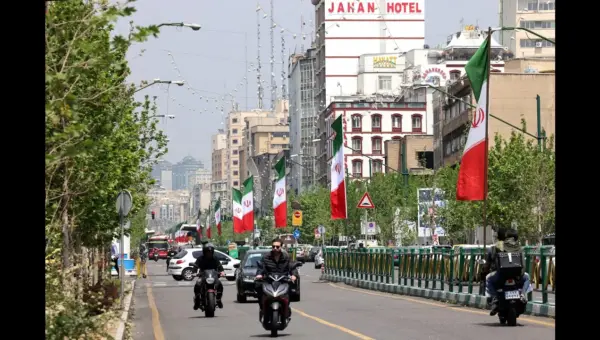
Iran's leadership is deeply divided and struggling to make decisions under U.S. pressure and economic sanctions. Analyst Cheyenne Shami believes the U.S. holds the upper hand, and Iran faces difficult choices that could lead to internal purges or regime collapse.
US Iran Tactic Signals New War Game for China
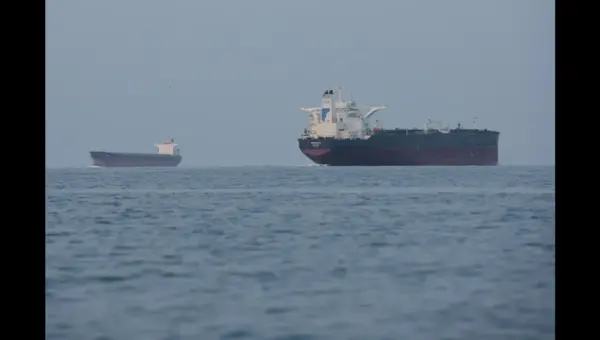
The US actions against Iran, including military and economic pressure, may be a test for a potential conflict with China. Observers suggest this strategy could be a rehearsal for blockading China's maritime lifelines. Leaders in the Indo-Pacific are watching these developments closely.


GOP Pushes to Fund ICE, Border Patrol Amidst Global Tensions
Congressional Republicans are working to pass a reconciliation bill to fund ICE and Border Patrol, facing a May 15th deadline. Congressman Ralph Norman emphasized the urgency and financial cost of delayed funding. The discussion also covered U.S. policy towards Iran and concerns about "birth tourism" loopholes.