Sailors Trapped on ‘Floating Prisons’ Amid Hormuz Strait Crisis
Thousands of sailors are trapped on ships in the Persian Gulf, facing fear and boredom as the Strait of Hormuz remains a critical flashpoint. Geopolitical tensions have turned vessels into 'floating prisons,' with crews unable to disembark amid ongoing conflict. International efforts are underway to reopen the vital shipping route, but the situation remains volatile.

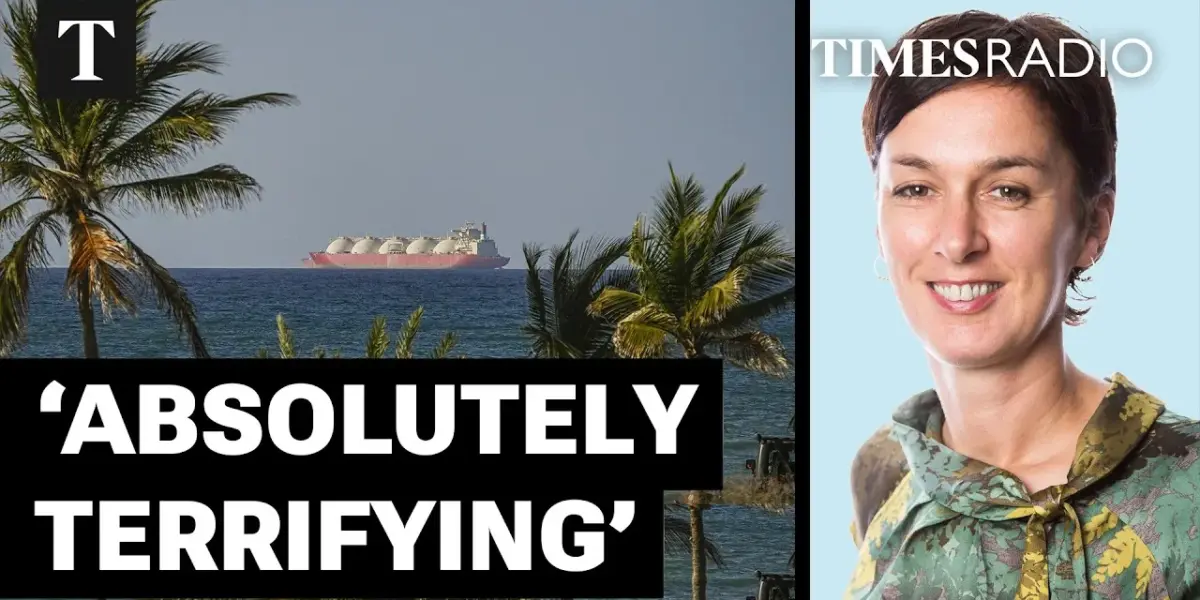
Seafarers Face Terrifying Ordeal in Strait of Hormuz
Thousands of sailors are trapped on ships in the Persian Gulf, described as “floating prisons,” as the Strait of Hormuz remains a flashpoint. Around 2,500 vessels are reportedly stuck, with 20,000 people unable to leave their ships.
Iran has closed the strait, a critical global shipping route, adding to the tension. This situation highlights the human cost of geopolitical conflict, with crews facing fear and boredom for extended periods.
A ‘Terrifying and Boring’ Existence at Sea
Rose George, author of “Inside Shipping,” shared a poignant email from a seafarer stuck on a fully loaded oil tanker. The sailor expressed extreme fear after witnessing an Iranian drone attack on a nearby tanker, feeling they could have suffered the same fate.
This experience highlights the constant danger faced by crews, who are essentially confined to their vessels with no escape. The situation is a stark contrast to the COVID-19 lockdowns, where sailors at least weren’t under direct threat of attack.
“It’s absolutely terrifying,” George stated, emphasizing how the human element of these crews is often overlooked in media coverage. “It kind of forgets that they’re stuck in this really they’re stuck on prisons essentially.
They can’t get off.” The seafarer’s primary concern was a crew change, a request their company had not fulfilled. The fear of being caught in a conflict zone while performing their jobs weighs heavily on these individuals.
Navigating a Contested Information Space
The Strait of Hormuz has become a complex information battleground, with conflicting messages creating confusion and anxiety for those at sea. George described a daily routine of “checking the crazy” to understand the latest developments. This involves monitoring communications from various sources, including Iran’s Islamic Revolutionary Guard Corps (IRGC) and official government statements.
One instance involved Iran declaring the strait open, only for the IRGC to broadcast a message suggesting otherwise. This created uncertainty for the seafarers, who have learned to be skeptical of official pronouncements. “They’ve said this before.
I don’t believe it. I’m just going to wait and see,” one seafarer reportedly responded to news of the strait reopening. This constant flux makes planning and ensuring safety incredibly difficult for ship crews.
Ghosting and Evasion: Techniques for Survival
Some ships are managing to navigate the treacherous waters using evasion techniques known as “ghosting.” This involves using false flags or other methods to avoid detection and potential interference. While these tactics allow some vessels to pass, they highlight the risks involved in transporting vital goods through the contested strait.
Cruise ships, with their shallower drafts, have been able to use shallower waters and hug the coast of Oman to get through. These vessels, unlike commercial tankers, carry fewer crew members but represent a different segment of maritime traffic. Their ability to pass offers a glimmer of hope, though it does not resolve the larger crisis for commercial shipping.
International Efforts and Diplomatic Maneuvers
European nations, including the UK and France, are working to address the crisis through diplomatic channels. A meeting involving France, the UK, and Gulf nations aimed to send a clear message for the reopening of the Strait of Hormuz. While these efforts are important, their immediate impact on the ground remains limited.
“The purpose of the conference that was held on Friday in Paris and virtually was um to send a clear message by non-belligerent countries… Which are calling for the full immediate and unconditional reopening of the strait.”
Eleanor Carwa, Minister for International Partnerships in France’s Renaissance Party, explained the objective was to unite non-belligerent countries in calling for the strait’s reopening. A multinational mission to protect shipping is planned, but it will only operate after the current conflict subsides. This approach acknowledges the need for protection but highlights the diplomatic complexities and the desire to avoid direct military involvement.
The Road Ahead: Stabilization and Dialogue
The situation in the Strait of Hormuz remains volatile, with significant implications for the global economy. The closure or disruption of this vital waterway impacts the flow of oil and gas, affecting prices and trade worldwide. While dialogue between the US and Iran is ongoing, a lasting peace deal appears distant.
Future efforts will likely focus on stabilizing the situation and continuing diplomatic discussions. The fate of the trapped seafarers and the security of global shipping routes depend on de-escalation and a peaceful resolution. A planning conference is scheduled to be held in London, signaling a continued commitment to finding a way forward.
Source: Seafarers ‘Stuck On Floating Prisons’ In Strait Of Hormuz | Rose George (YouTube)

Related Articles

Global Leaders Shun Trump, Forge New Alliances Abroad
World leaders are increasingly excluding Donald Trump from international conferences, signaling a global pushback against his movement. Nations are exploring new alliances and security frameworks independent of the U.S., driven by concerns over American reliability and the rise of right-wing ideologies.


Strait of Hormuz Reopens, Easing Global Oil Fears
The Strait of Hormuz has reopened, potentially easing global economic pressures and lowering oil prices. Meanwhile, singer D4vd has been arrested on suspicion of murder, with new details emerging about the case. A broader investigation is underway into the suspicious deaths and disappearances of 11 scientists involved in sensitive US research.

Iran Deal: A Risky Gambit or a Diplomatic Triumph?
President Trump claimed a major breakthrough with Iran, but conflicting reports and denials from Tehran cast doubt on the deal's finality. Experts warn of Iran's complex negotiating tactics, stressing the need for verifiable actions over mere words. The situation's outcome carries significant implications for regional stability and U.S. foreign policy.