Iran’s Jets Take Flight: Are Hardliners Steering Nuclear Talks?
Iran's fighter jets have been seen flying during a ceasefire, challenging claims of a destroyed air force. This comes as hardliners appear to gain influence, complicating nuclear negotiations. The U.S. and Israel remain on alert.


Iran’s Fighter Jets Soar Amidst Ceasefire Confusion
Reports emerged on April 15th of Iranian fighter jets scrambling into the skies over Tehran. This event followed earlier information suggesting the United States had destroyed Iran’s entire air force. The presence of operational fighter jets, including older American F4 Phantoms and Russian-supplied MiG-29s, directly contradicts previous claims. This development raises questions about the extent of military damage inflicted and Iran’s true capabilities.
A Hardline Shift in Iranian Leadership
Adding to the complexity, a report from The Wall Street Journal highlighted a significant shift within Iran’s leadership. The new national security chief, Mohammad Bagher Ghalibaf, is described as holding extreme views. His ideology was reportedly so intense that a subordinate, the late Quds Force leader Qasem Soleimani, once resigned in protest. This suggests that hardline factions are gaining more influence, a situation that some analysts warned about when the ceasefire was announced.
Nuclear Negotiations: A Game of Trust and Tactics
Despite the military posturing, diplomatic efforts continue. Iran’s foreign ministry spokesperson indicated a willingness to negotiate the level and scope of nuclear enrichment. This is a notable change, as Iran had previously stated such discussions were off the table. However, skepticism remains high. Past experiences suggest that public statements may not always translate into genuine negotiation tactics at the table.
White House Clarifies Ceasefire and Negotiations
White House Press Secretary Caroline Levitt addressed several key points regarding the ongoing situation. She firmly denied reports that the U.S. had formally requested an extension of the ceasefire. Levitt emphasized that talks are productive and ongoing, with the U.S. feeling positive about the prospects of a deal. She also noted that Pakistan has been an invaluable mediator throughout the process, and communication is being streamlined through them.
Blockade Enforcement and Military Readiness
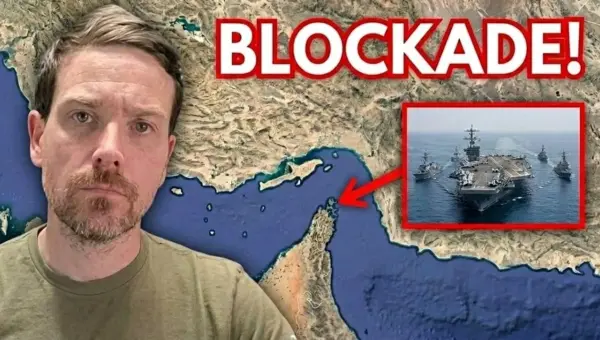
Levitt also clarified the U.S. stance on the blockade of Iranian ports. She stated that the blockade is fully implemented and enforced against vessels of all nations entering or departing Iranian ports, specifically targeting ships that would benefit Iran’s economy. This measure is in place to support freedom of navigation for vessels heading to and from non-Iranian ports. Meanwhile, the U.S. military is increasing its presence in the region, with thousands of troops and multiple B-52 bombers being positioned in Europe as a precautionary measure.
Israel’s Stance: Ready for Conflict
The Israeli army confirmed it has observed a ceasefire with Iran in recent days, adhering to political directives. However, they are closely monitoring developments and remain on high alert. The Israeli military emphasized its full defensive preparedness and readiness to swiftly resume operations and launch powerful strikes if necessary. This highlights the tense regional dynamics and the potential for rapid escalation.
Why This Matters
The reappearance of Iran’s fighter jets and the strong signals from hardline leadership create a volatile mix. It challenges assumptions about Iran’s military weakness and suggests that even during negotiations, hardliners may be setting a more aggressive tone. The willingness to discuss nuclear enrichment levels is a potential opening, but trust is a major hurdle. The U.S. and its allies are navigating a complex scenario where military posturing, diplomatic maneuvering, and internal Iranian politics all play critical roles. The situation underscores the delicate balance of power in the Middle East and the constant need for vigilance.
Implications and Future Outlook
The events suggest a potential hardening of Iran’s stance, even as diplomatic channels remain open. If hardliners are indeed consolidating power, future negotiations could become more challenging. The operational status of Iran’s air force, whether through hidden assets or new Russian supplies, indicates a capacity for defense and potential offense that cannot be ignored. The U.S. military buildup and Israel’s readiness signal a strong deterrent posture. The path forward likely involves continued diplomatic pressure, potential sanctions, and a watchful eye on Iran’s nuclear program and regional activities. The effectiveness of the current ceasefire and the outcome of the ongoing talks will be crucial indicators of future stability.
Historical Context
Iran’s air force has historically relied on a mix of American aircraft acquired before the 1979 revolution, such as the F4 Phantom, and Russian-made jets. Decades of international sanctions have made maintaining and acquiring modern military hardware difficult. Claims of destroying Iran’s air force were likely based on intelligence assessments of its operational capacity rather than a complete physical elimination of all aircraft. The ability to scramble jets, even older models, suggests either effective maintenance and concealment of existing assets or successful, albeit perhaps covert, acquisition of new ones. The current situation echoes past periods of heightened tension where Iran has used military displays to project strength amidst diplomatic pressures.
Source: BREAKING: Iran SCRAMBLES Fighter Jets – U.S. ON ALERT (YouTube)

Related Articles


Senator Tillis Demands Clarity on US Goals in Iran Conflict
Senator Thom Tillis is demanding more details from the White House about U.S. goals in the Iran conflict, citing a lack of information for senators and rising gas prices. He stressed that Congress needs specifics before approving significant funding requests.


GOP Senators Show Weariness With Trump’s Iran Stance
Republican lawmakers are showing signs of frustration with President Trump's prolonged engagement in Iran. Diplomatic talks continue, with a potential ceasefire extension being considered, while the U.S. bolsters its military presence. Meanwhile, domestic economic pressures and battles with the Federal Reserve chair add to the political complexities.

US Navy Blockade Tightens Grip on Iran’s Oil
The US Navy has imposed a strict blockade on Iranian ports, aiming to cripple the nation's oil exports and economy. With warships enforcing the closure, Iran faces significant financial pressure. The long-term effectiveness and potential for escalation remain key concerns.