Sykes: Trump Uses “Mass Distraction” Amid Global Conflict
Charlie Sykes described Donald Trump's rhetoric as a "weapon of mass distraction," arguing that it serves to divert attention from critical issues and policy debates. Sykes criticized Trump's demand for absolute loyalty, even from religious figures, and questioned the authenticity of religiously-based political justifications.

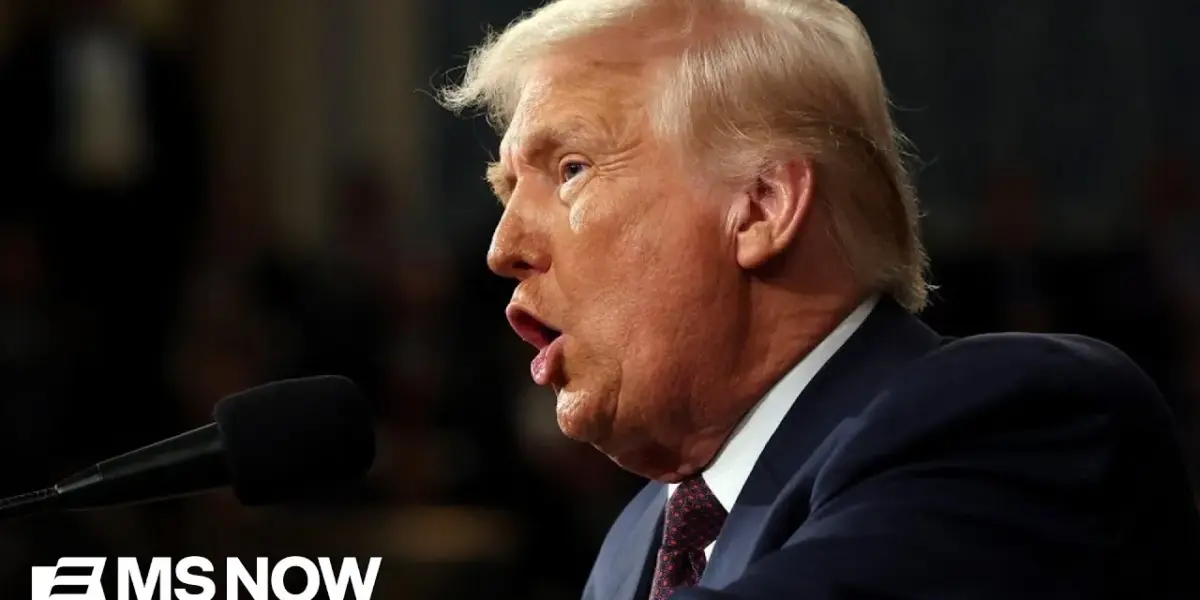
Sykes Slams Trump’s Rhetoric as “Weapon of Mass Distraction”
Conservative commentator Charlie Sykes has sharply criticized former President Donald Trump’s communication style, calling it a “weapon of mass distraction.” Sykes argues that Trump uses chaotic rhetoric to divert attention from critical issues, particularly during times of global instability. This strategy, Sykes suggests, undermines serious policy discussions and manipulates public focus.
Sykes drew attention to Trump’s approach to politics, which he described as a constant loyalty test. According to Sykes, Trump demands not just agreement but complete submission from his political allies and even religious figures. He highlighted Trump’s reported expectation that the Pope should fall in line, a level of demand Sykes found excessive.
Trump’s “Loyalty Test” Extends Beyond Politics
The commentator elaborated on Trump’s demand for unwavering loyalty, suggesting it goes beyond typical political expectations. Sykes stated that Trump treats everything, especially politics, as a test of allegiance. It’s not enough for people in his party or administration to simply agree with him; they must submit fully.
This demand for submission, Sykes noted, appears to extend even to religious leaders. He pointed out that Trump seems to expect the Pope to comply with his wishes.
Sykes contrasted this with faith, suggesting that true faith requires a different kind of energy, one that Trump may not understand or possess. He questioned how one could follow Trump’s directives when they seem to contradict core religious teachings, asking, “Do as I say.”
Distraction from Key Issues
Sykes questioned what Trump aims to distract from with his current rhetoric. He suggested that Trump often overshadows his own policy messages, even those that might appeal to his party’s base. For example, Sykes mentioned Trump’s stance on eliminating taxes on tips, an economic message often favored by Republicans.
However, Sykes argued that Trump’s tendency to create controversy distracts from these potentially popular ideas. He described Trump as a “weapon of mass distraction” who actively derails his own messaging. This leads to public discourse shifting away from substantive issues and towards debates about the nature of Christianity or the church’s message.
Questioning Religious Authenticity
The discussion shifted to the authenticity of religious claims made by Trump and his allies. Sykes posed rhetorical questions about whether Jesus would sound like certain political figures or use scripture to justify controversial policies like cutting aid to the poor, mass deportations, family separations, or military actions such as bombing Iran.
This critique directly challenges Trump’s self-proclaimed role as a defender of Christendom. Sykes found the timing significant when the Pope spoke about people manipulating religion.
This statement came shortly after figures like Pete Hegseth invoked religious texts to criticize the media. Sykes noted that while the Pope didn’t name names, his message was clearly understood by many.
Moral Authority Versus Political Maneuvering
Sykes highlighted the contrast between the Pope’s moral authority and what he perceives as Trump’s political maneuvering. He stated that the Pope possesses a moral authority that Trump lacks. The Pope, Sykes suggested, is not backing down from his stance against the manipulation of religion for political gain.
The commentator expressed concern that this situation creates a conflict where political figures might use religion to advance their agendas. He implied that Trump’s actions and rhetoric serve as a distraction from more pressing global and domestic concerns. This pattern, Sykes argued, is a deliberate strategy to control the narrative and maintain focus on Trump himself rather than on substantive policy or global events.
Looking Ahead
Sykes’s commentary raises questions about the role of rhetoric in shaping public perception, especially during times of crisis. The ongoing tension between political messaging and religious authenticity suggests that these debates will likely continue. Observers will be watching to see how these narratives evolve and influence public opinion in the upcoming political cycles.
Source: 'Weapon of mass distraction': Charlie Sykes blasts Trump's chaotic rhetoric amid war (YouTube)

Related Articles


Ruhle: Trump Must Unite on Economy Message in Vegas
MSNBC anchor Stephanie Ruhle criticized former President Donald Trump's economic messaging strategy, stating he is responsible for current economic woes. As Trump visits Las Vegas to tout tax policies, Ruhle argued he needs to present a unified message. His economic policies from his presidency are a key focus of ongoing debate.
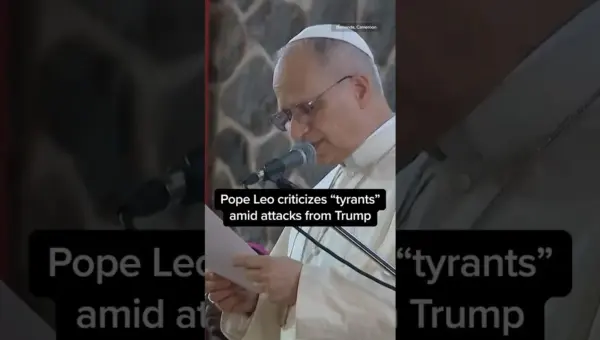
Pope Leo Slams ‘Tyrants’ Amidst Trump’s Social Media Attacks
Pope Leo XIV has sharply criticized "a handful of tyrants" causing global destruction during a visit to Cameroon. The remarks come days after former U.S. President Donald Trump launched social media attacks against the Pope. This strong condemnation highlights growing concerns over global unrest and the role of leadership.
Trump Lashes Out as Republican Support Falters
Donald Trump's recent public outbursts and attacks on figures like the Pope and Epstein survivors signal deep distress within the Republican Party. His combative approach and perceived disconnect from economic realities are making him a liability for GOP candidates.