Iran Talks Resume as Trump Faces Costly Compromise
Renewed diplomatic efforts are underway as the U.S. and Iran engage in talks aimed at de-escalating rising tensions. Reports suggest a potential deal mirroring past agreements, focusing on limiting Iran's uranium enrichment. This comes after a period of conflict that saw significant costs and damaged U.S. global standing.

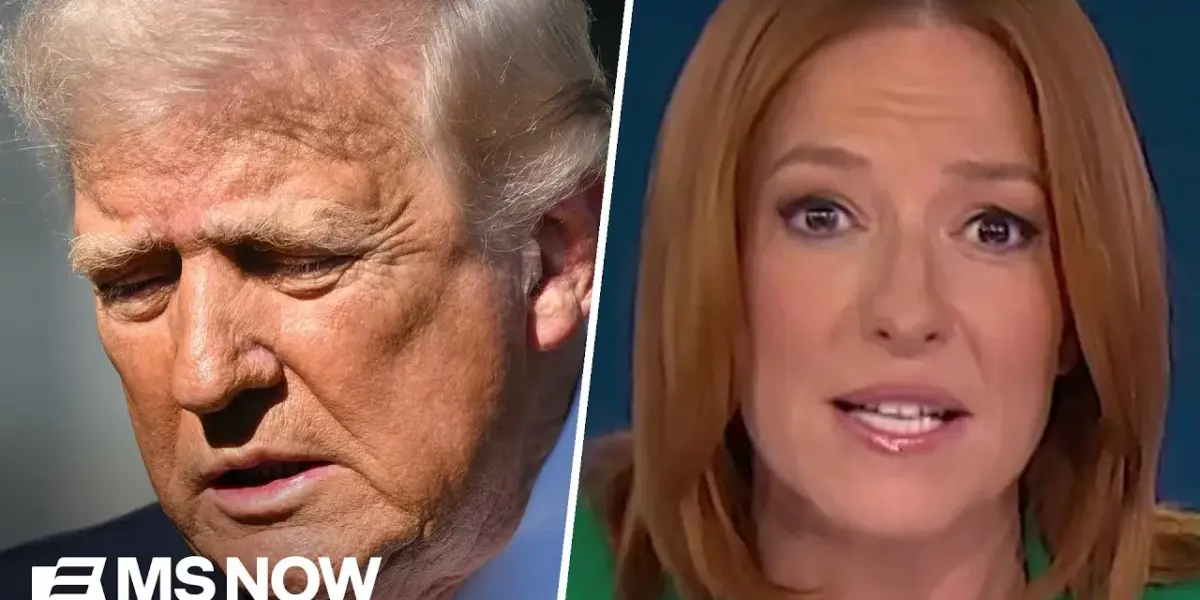
Tense Negotiations Resurface as Iran Deal Echoes Obama Era
Negotiations between Iran and the United States have taken a significant turn, with reports indicating a renewed push for a diplomatic solution to de-escalate rising tensions. The recent breakdown of talks led by J.D.
Vance and the subsequent involvement of a Pakistani delegation highlight the complex diplomatic efforts underway. Meanwhile, former President Donald Trump’s continued naval blockade in the Strait of Hormuz and Iran’s threats to close the Red Sea highlight the volatile situation.
Sources suggest that the Trump administration is now exploring a deal similar to the one previously offered, which could have averted the current crisis. This potential agreement includes limiting Iran’s uranium enrichment for a set period, a strategy previously employed during the Obama administration. The renewed focus on compromise signals a potential shift towards diplomacy, aiming to avoid further conflict and economic disruption.
The Path to Compromise: A Familiar Landscape
The current negotiations appear to be circling back to proposals that were on the table before recent escalations. Key aspects include addressing Iran’s highly enriched uranium, making it less useful for weapons production, and potentially agreeing to a moratorium on enrichment activities. These were critical points of discussion that, according to analysts, could have been resolved earlier.
By returning to these discussions, the hope is to avoid the severe costs incurred during the period of heightened conflict. These costs include American lives lost and damage to the United States’ global standing. The current situation, where negotiators are discussing terms similar to those previously offered, leaves many wondering about the necessity of the recent crisis.
Understanding Iran’s Negotiating Stance
From Iran’s perspective, negotiations are viewed through the lens of their own perceived leverage and capacity. Iran has consistently signaled that it will not accept unconditional surrender, emphasizing its right to certain activities. They are looking for partners who can engage in detailed discussions to reach an enforceable agreement.
Recent experiences have reportedly made Iran cautious. The country has entered negotiations with the current administration only to face military action, and proposals have sometimes been met with demands for complete capitulation rather than compromise. This history has created a complex dynamic as talks resume on familiar terms.
Regional Dynamics and Israeli Influence
The broader regional context, including events in Lebanon, has also played a role in the diplomatic landscape. The escalation of bombing in Lebanon following a ceasefire reportedly disrupted ongoing efforts, leading to significant civilian casualties. This action has been seen as a disruptive move that complicated the path to de-escalation.
There are concerns that Israeli Prime Minister Benjamin Netanyahu, who has a history of advocating for stronger action against Iran, could influence the current negotiations. While past presidents have resisted such calls, there is a possibility that such pressure could impact the outcome. The decision to engage in military actions, however, ultimately rests with the commander-in-chief.
Looking Ahead: The Stakes of Diplomacy
As discussions continue, the focus remains on whether a diplomatic breakthrough can be achieved. The intelligence community is reportedly advising the Trump administration on Iran’s position and capabilities, a stark contrast to previous instances where such advice may have been overlooked. The success of these talks will depend on a willingness to engage in genuine compromise.
The coming days will be crucial as negotiators work to bridge the remaining gaps. The outcome of these discussions will not only determine the immediate future of U.S.-Iran relations but also have significant implications for global stability and economic security. The world watches to see if diplomacy can prevail over conflict.
Source: Iran takes Donald Trump down a peg with costly lesson in compromise (YouTube)

Related Articles
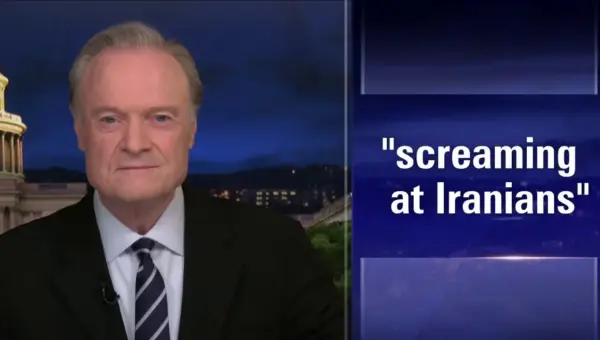
Trump’s War Claims Spark Stupidity or Insanity Debate
Donald Trump's recent claim that 'nobody has ever ended one war' has sparked debate about his mental state and political awareness. Experts and critics point to his past statements and actions, including his handling of the Strait of Hormuz conflict, raising concerns about his fitness for office. The upcoming elections are seen as a critical juncture for assessing his political standing.

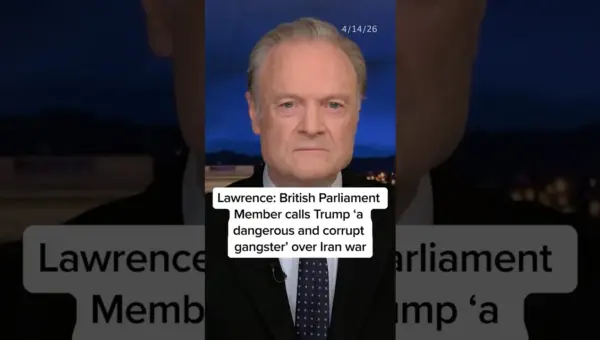
UK Parliament Member Slams Trump: ‘Dangerous Gangster’
A member of the British Parliament has sharply criticized former U.S. President Donald Trump, calling him a "dangerous and corrupt gangster." This condemnation reflects growing international concern over Trump's potential return to power and his foreign policy approach. The remarks highlight a global backlash amid fears of increased conflict, particularly regarding Iran.

Trump’s Iran War Costly for Americans, Senator Says
Senator Amy Klobuchar argues that Donald Trump's war in Iran is directly costing Americans more money, citing rising gas prices and increased costs for goods like fertilizer. She believes the billions spent on the conflict could instead fund crucial domestic programs like healthcare extensions and affordable housing initiatives.