California Democrats’ Arrogance Fuels Political Fallout
A report reveals alleged misconduct and a pattern of behavior within California's Democratic party, leading to criticism of their silence and perceived arrogance. The state's one-party rule exacerbates these issues, while Republicans struggle to gain traction. Meanwhile, Californians grapple with high gas prices and a severe homelessness crisis, highlighting governance challenges.

California Democrats’ Arrogance Fuels Political Fallout
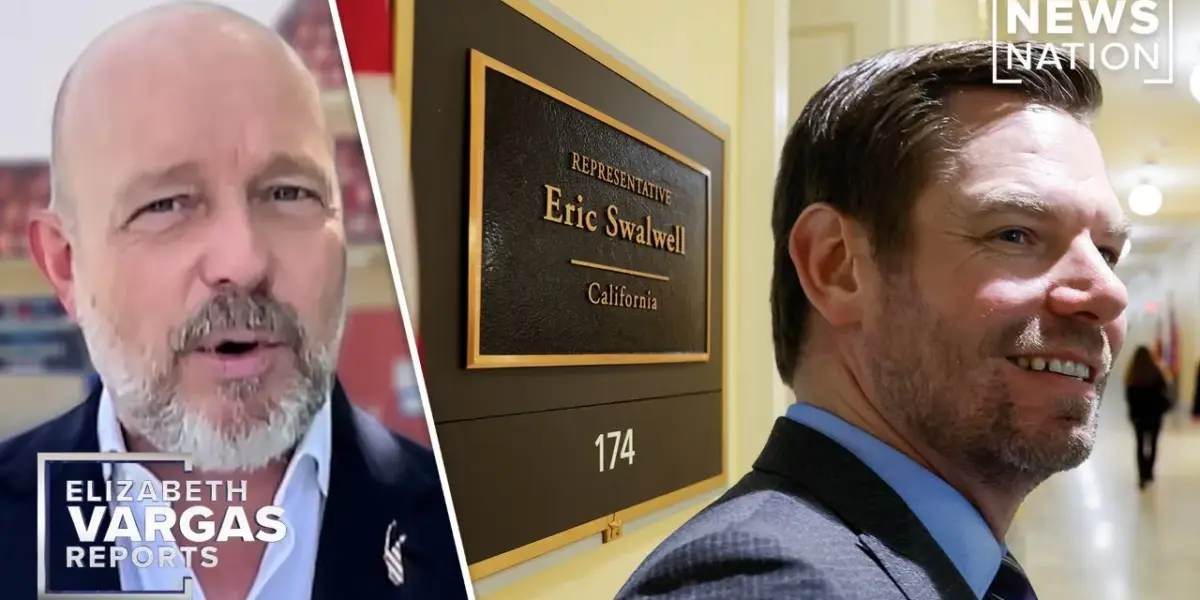
A recent report highlights a disturbing pattern of behavior and a troubling lack of accountability within California’s Democratic party, particularly concerning Congressman Eric Swalwell. While the specific details of the allegations against Swalwell remain under wraps, the broader pattern of his conduct was apparently an open secret. This has led to widespread criticism of Democratic politicians and organizations for their silence, suggesting a deep-seated arrogance that allows such behavior to persist.
Groups like the Teacher’s Unions and SEIU, along with prominent figures such as Adam Schiff and Nancy Pelosi, have faced backlash for their support of Swalwell. Critics argue that by standing by him, they essentially condone the alleged misconduct, even if they claim ignorance of the specific details. This perceived complicity raises serious questions about the ethical standards within the party and its willingness to address internal issues.
This situation reflects a larger issue in California: the overwhelming dominance of Democrats. With a supermajority in the legislature and control over statewide offices, the party has grown accustomed to unchecked power.
This can breed a sense of impunity, where consequences for problematic behavior are minimized or ignored. It creates an environment where the voices of dissent are easily silenced, and accountability becomes a secondary concern.
The Republican Struggle for Relevance
California Republicans find themselves in a difficult position, largely shut out of power for nearly two decades. This uphill battle is compounded by the state’s political climate. One analyst noted that the party has been in the political wilderness for a long time, with no clear signs of improvement on the horizon.
The endorsement of Donald Trump by a Republican candidate was met with mixed reactions. While the endorsement could mobilize the Republican base, Trump’s low approval rating in California, standing at just 26%, poses a significant risk.
The candidate acknowledged that midterm elections often hinge on turnout, and Trump’s support could help rally Republican voters. The presence of voter ID on the ballot is also expected to boost Republican participation.
However, the candidate stressed the need to look beyond party lines and focus on practical issues that resonate with a broader range of voters. The campaign’s platform centers on common-sense solutions, aiming to unite Californians through shared concerns. This approach seeks to address the needs of the state regardless of political affiliation.
Addressing California’s Economic Woes
High gas prices are a major concern for Californians, with prices nearly double the national average. While global events like the conflict in Iran contribute to price spikes, state-specific factors play a larger role. California’s own regulations and policies significantly inflate the cost of fuel.
The state’s policies discourage domestic oil production, forcing California to import a large percentage of the oil it consumes. This reliance on external sources, combined with the closure of refineries, drives up costs. Excessive regulations, even those intended for environmental protection, further burden the industry and contribute to higher prices at the pump.
The candidate believes these issues can be addressed quickly, bringing gas prices down to around $3 a gallon. This goal was achievable in most states before recent global events, suggesting that California’s high prices are largely self-inflicted. The proposed solutions focus on revising state policies to encourage local production and streamline refinery operations.
The Staggering Homelessness Crisis
California faces a severe homelessness crisis, with the state housing 28% of the nation’s homeless population. Many live in tents and encampments, a visible sign of a deep-seated problem. Despite nearly $10 billion spent over the last three years, the situation remains dire, with little evidence of significant improvement.
Recent reports have uncovered alarming financial discrepancies. A state auditor’s report found $24 billion in spending that could not be accounted for regarding homelessness reduction efforts. Governor Gavin Newsom claims marginal improvements, but independent observers question these figures, pointing to a lack of transparency and accountability in the allocation of funds.
The vast sums of money dedicated to solving homelessness have yielded few tangible results. This mismanagement of resources raises serious concerns about the effectiveness of current strategies and the need for a fundamental shift in how California addresses this humanitarian crisis. A closer look at the spending reveals a system struggling to deliver basic necessities to its most vulnerable citizens.
Why This Matters
The issues surrounding Eric Swalwell and the broader Democratic party’s handling of misconduct allegations point to a systemic problem of arrogance and a lack of accountability. When powerful political groups appear to prioritize protecting their own over addressing wrongdoing, it erodes public trust. This erosion can have long-term consequences for democratic institutions.
California’s political landscape, dominated by one party, provides a case study in how unchecked power can lead to complacency and ethical lapses. The struggles of the Republican party highlight the challenges of operating as a minority in such an environment, while the candidate’s focus on practical issues suggests a potential path towards broader appeal.
The economic struggles, particularly high gas prices, and the persistent homelessness crisis, demonstrate the real-world impact of policy decisions. The vast sums of money mismanaged in homelessness initiatives, coupled with the artificial inflation of essential goods like gasoline, show how ineffective governance can harm citizens directly. These issues require urgent attention and a commitment to effective, transparent solutions.
Implications and Future Outlook
The fallout from the Swalwell situation could lead to increased scrutiny of Democratic politicians and a demand for greater ethical accountability. If the party fails to address these concerns, it risks alienating voters and empowering opposition movements.
California’s experiment with one-party rule will likely continue to be a subject of debate. The effectiveness of its policies, from economic development to social services, will be closely watched. The upcoming elections will be a crucial test of whether voters seek a change in direction or reaffirm the current leadership.
The homelessness crisis remains a critical challenge, demanding innovative and transparent solutions. The sheer scale of the problem and the inefficient use of funds suggest a need for a complete overhaul of current strategies. The future outlook depends on whether leaders can move beyond political rhetoric and implement practical, accountable measures.
Historical Context
California has a long history of political shifts, from periods of Republican dominance to the current Democratic stronghold. Understanding these historical cycles is key to grasping the current political dynamics.
The state’s progressive policies have often been seen as a testing ground for national trends. However, the current challenges, like homelessness and economic inequality, show that even progressive policies can face significant hurdles.
The political discourse around issues like gas prices and environmental regulations has evolved over decades. Balancing economic needs with environmental concerns remains a central tension in California’s policy debates.
The next election cycle in California is scheduled for November 2024.
Source: California Dems' 'arrogance' to blame for Eric Swalwell fallout | Elizabeth Vargas Reports (YouTube)

Related Articles
Swalwell Resignation Sparks Special Election, Governor Race Heats Up
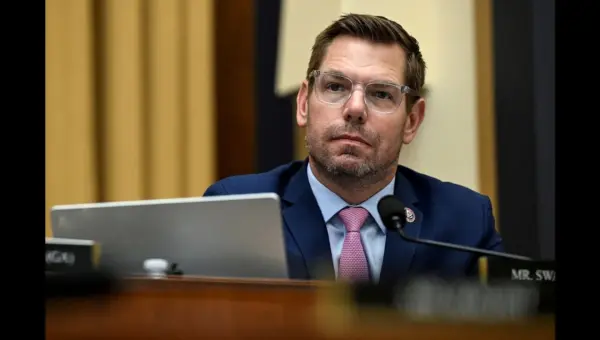
California's 14th Congressional District will hold a special election on August 18th following Eric Swalwell's resignation amid sexual misconduct allegations. Candidates in the governor's race are reacting to the controversy, highlighting differing views on accountability and public trust.

Trump’s Iran War Costly for Americans, Senator Says
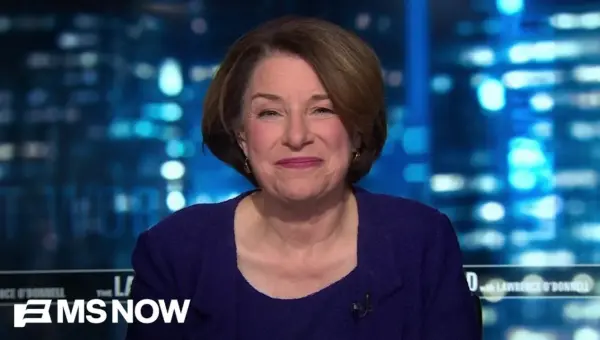
Senator Amy Klobuchar argues that Donald Trump's war in Iran is directly costing Americans more money, citing rising gas prices and increased costs for goods like fertilizer. She believes the billions spent on the conflict could instead fund crucial domestic programs like healthcare extensions and affordable housing initiatives.

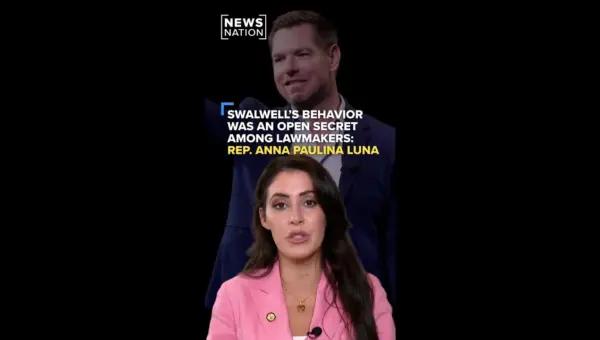
Swalwell’s Capitol Hill Conduct: An Open Secret No More
Congressman Eric Swalwell's resignation followed years of 'open secret' allegations about his conduct. His staff's distrust and a formal expulsion motion finally brought the issue to light, raising questions about accountability in Washington.