Israel Declares Air Superiority, Pledges Fight Against Iran
Israeli leaders have declared air superiority and vowed to counter Iran's regional ambitions. Despite ceasefires, military actions continue, highlighting ongoing tensions with Iran-backed groups in Lebanon and Iraq.

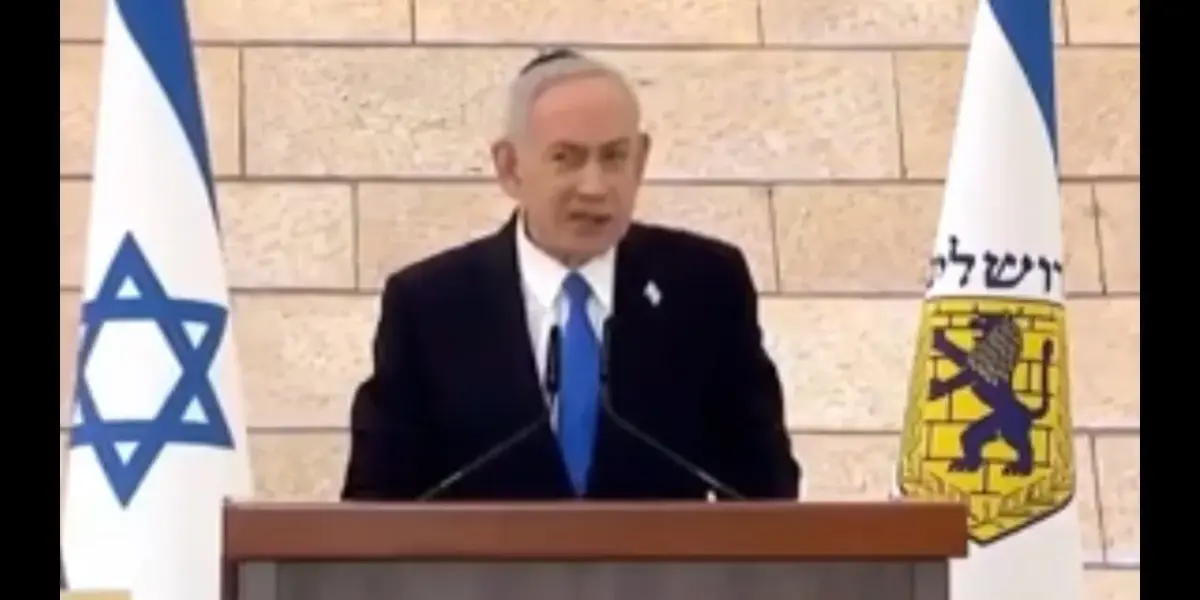
Israel Claims Air Dominance in Regional Standoff
Israeli Prime Minister Benjamin Netanyahu recently declared that Israeli pilots control the skies over the region. He presented this as clear proof of Israel’s advantage over what he called the “Iranian axis.” Netanyahu stated that while the work is not finished, the world already sees Israel’s strong will to protect itself and humanity from “barbaric fanaticism.”
This strong statement came during Israel’s Memorial Day, a day dedicated to remembering fallen soldiers and victims of terror attacks. A memorial event in Jerusalem highlighted the ongoing challenges the nation faces.
Military Leaders Vow to Thwart Iranian Ambitions
Israel’s top general echoed the Prime Minister’s sentiments, speaking about a significant campaign against the Iranian regime. He explained that Iran has been developing plans and capabilities for years with the goal of destroying Israel. The general promised that Israel would remain vigilant and prevent Iran from achieving these aims, ensuring Israel’s continued existence.
These remarks were made while Israeli forces were observing a ceasefire with the Iran-backed Hezbollah group in Lebanon. This ceasefire is part of broader international talks, with a second round between the US and Iran possibly happening soon in Pakistan.
Ceasefires Tested by Ongoing Hostilities
Despite the declared ceasefires, the conflict has not completely stopped. The Israel Defense Forces (IDF) warned Lebanese residents not to return to southern Lebanon for their safety. This warning came even as the IDF reported striking terrorists in southern Lebanon who approached Israeli troops in a threatening way.
The IDF also announced they had hit a launcher in Lebanon that was loaded and ready to fire. These actions show that tensions remain extremely high along the border.
Displaced Residents Face Harsh Realities
A resident from Beirut, who was displaced from the south, shared a different perspective on returning home. They pointed out that people forget the dangers too quickly and go back, only to fall into “the trap.” The resident also described the difficult living conditions, noting the lack of water and electricity.
These basic necessities are essential for any return, and the financial struggles of the people make such a move even more impossible. The desire for normalcy clashes with the harsh reality on the ground.
Iran-Backed Groups Target Americans in Iraq
In a separate but related development, the US Embassy in Baghdad issued a warning. They stated that Iran-backed terrorist groups in Iraq are still planning attacks against American citizens in the country. The embassy also indicated that some elements within the Iraqi government are providing financial and operational support to these groups.
This situation highlights the complex web of regional conflicts and the role Iran allegedly plays through its proxies. The US presence in Iraq remains a point of tension.
Why This Matters
The statements from Israeli leadership signal a clear and determined stance against Iran and its regional activities. They view Iran’s actions as a direct threat not just to Israel but to broader regional stability. The military actions, even during ceasefires, demonstrate a readiness to respond forcefully to perceived threats.
The involvement of Iran-backed groups in Iraq and Lebanon shows a pattern of influence that extends beyond its borders. This creates a challenging environment for international diplomacy and security in the Middle East. The ongoing conflict impacts civilian lives, as seen with the displaced residents, and raises serious questions about long-term peace.
Implications and Future Outlook
Israel’s assertive rhetoric and military actions suggest a commitment to confronting Iran directly and through its proxies. This could lead to further escalation if not managed carefully through diplomatic channels. The US involvement in Iraq, coupled with Iran’s alleged support for militant groups, points to a continued period of instability.
The lack of basic services in southern Lebanon also presents a significant obstacle to any potential return of displaced populations. This humanitarian aspect adds another layer of complexity to the ongoing conflict. Future outlook suggests continued regional tension and potential for localized conflicts.
Historical Context
The conflict between Israel and Iran, and its proxies like Hezbollah, has deep historical roots. Iran views Israel as an illegitimate state and has supported anti-Israel groups since the 1979 Islamic Revolution. Hezbollah, a powerful Lebanese Shia Islamist political party and militant group, has been a key ally of Iran and a significant adversary of Israel for decades.
The presence of US forces in Iraq following the 2003 invasion also plays a role in the current dynamics. Iran-backed militias have been active in Iraq for years, often clashing with US forces and the Iraqi government. This long-standing animosity and proxy warfare form the backdrop for the recent events.
The next round of US-Iran talks, if they occur in Pakistan, could offer a potential, albeit uncertain, avenue for de-escalation. However, the immediate actions and strong words from Israeli leaders suggest a path of continued vigilance and readiness for conflict.
Source: Israel Highlights Military Success in War Against Iranian Regime (YouTube)

Related Articles

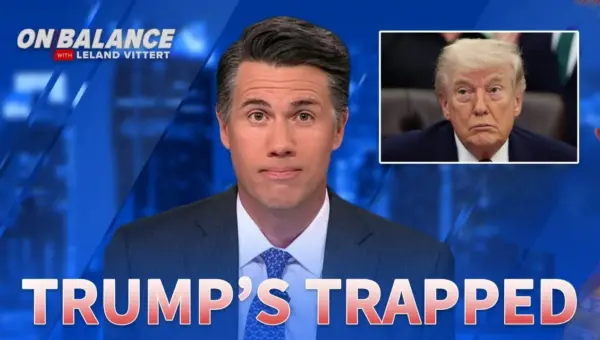
Trump Faces Iran Crisis: Trapped with No Easy Answers
Former President Trump faces a complex crisis with Iran, appearing trapped with limited options. Public opinion and Iran's strategic maneuvering suggest a need for a deal, but leverage is scarce. The situation echoes historical tensions and raises questions about future diplomatic outcomes.

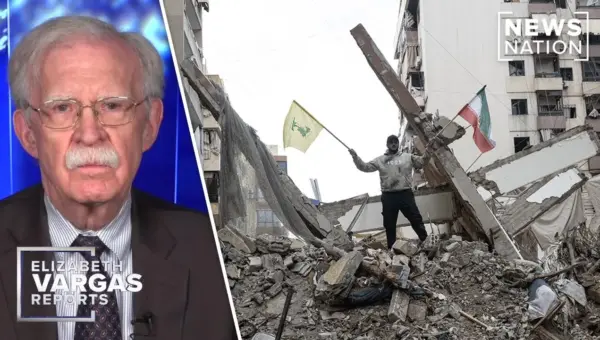
Iran Talks: Why Bolton Thinks Iran Won’t Keep Promises
John Bolton believes Iran has little incentive to honor any deal reached in upcoming peace talks. He argues Iran senses U.S. "panic" and sees President Trump seeking a way out for domestic political reasons, giving Iran significant leverage. Bolton is skeptical of Iran's commitment, citing their history of broken promises.


US-Iran Tensions Escalate Amid Ceasefire Confusion, Naval Showdown
Tensions between the U.S. and Iran are escalating as a critical ceasefire deadline approaches with uncertainty surrounding potential peace talks. A recent naval confrontation saw U.S. Marines seize an Iranian-flagged ship in the Gulf of Oman. Meanwhile, new polling indicates a majority of Americans disapprove of the President's handling of the situation.