Influencer Exposes Congressman’s Misconduct, Sparking Resignation
Social media influencer Ariel Foder, known as Mrs. Frazzled, used her platform to expose allegations of sexual misconduct against former Congressman Eric Swalwell. Her efforts led to his withdrawal from the California governor's race and resignation from Congress, empowering survivors to speak out.

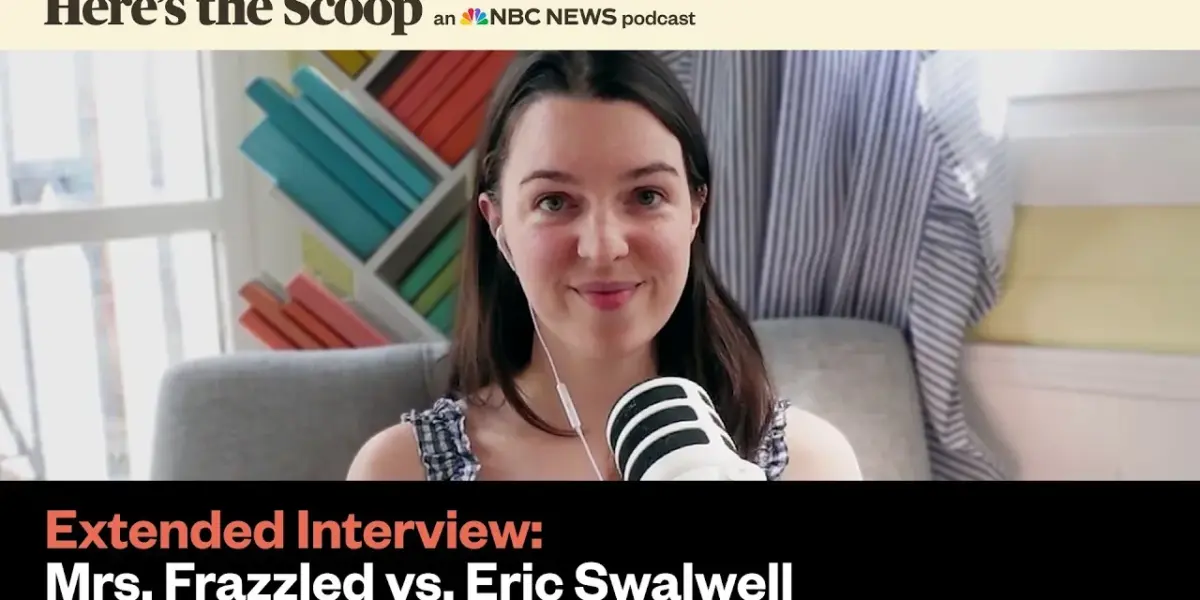
Social Media Star Mrs. Frazzled Details How She Brought Down Eric Swalwell
Years of rumors about sexual misconduct surrounding former California Congressman Eric Swalwell’s behavior on Capitol Hill have finally come to light, thanks to an unlikely source: a former elementary school teacher turned social media influencer. Ariel Foder, known to her 1.4 million TikTok followers as Mrs. Frazzled, used her platform to expose allegations that ultimately led to Swalwell’s withdrawal from the California governor’s race and his resignation from Congress.
Swalwell’s attorney has stated that he “categorically and unequivocally denies each and every allegation of sexual misconduct and assault that has been leveled against him.” However, Foder’s investigation and subsequent public sharing of information have prompted a reckoning for the politician.
From Teacher to Political Commentator
Foder’s journey into political commentary was a natural progression from her career in education. She explained that teaching itself is inherently political, as school policies are influenced by various levels of government. She began sharing her learnings about social justice and its connection to politics on social media in 2019.
The murder of George Floyd in the summer of 2020 marked a significant turning point, accelerating her social media presence. Around the same time, she developed a popular satirical approach, imitating political figures like Donald Trump in a style reminiscent of her kindergarten classroom. This lighter content provided a contrast to her more serious discussions on education news and policy updates.
Whispers Turn into Allegations
Foder’s political content gained significant traction, attracting the attention of political figures, including Eric Swalwell. When he entered the California governor’s race, Foder posted a comment about him appearing to act like a “normal human and not a robot.” This post unexpectedly opened a floodgate of private messages.
Initially, she received disturbing messages, including claims that Swalwell slept with his staff and interns and would text people in the middle of the night. While she was initially hesitant to believe everything she heard online, a personal warning from a friend that he was “not a good guy” added to her concern. Foder had already scheduled an in-person interview with Swalwell, which she proceeded with while maintaining a cautious distance.
The Pattern Emerges
As Swalwell’s campaign continued, Foder kept hearing more disturbing information. These accounts came from people closer to the situation, including friends who had worked as staffers on Capitol Hill. The consistent pattern in these stories began to alarm her deeply.
She learned that while many politicians might engage in workplace relationships, Swalwell’s alleged behavior was different. Sources described him as sleeping with interns and junior staff, individuals who were often new to the professional world and relied on him for career guidance. This dynamic, coupled with the repeated nature of the allegations, made Foder feel a sense of urgency.
An Open Secret on Capitol Hill
Foder discovered that these allegations were, in many ways, an open secret within political circles. She spoke with a member of Congress who confirmed the general knowledge of Swalwell’s reputation, although not necessarily the specific assault allegations. This widespread awareness, yet lack of public action, deeply disappointed her.
Foder also learned that past investigations into similar allegations in 2016 and 2019 had stalled, largely because potential witnesses were too scared to come forward. She suspected this was due to Swalwell’s litigious nature and the fear of retaliation.
Taking a Stand
Feeling that the situation had become an emergency, Foder decided to act. She informed a group chat of her intention to go public if the story didn’t break by a certain date. Despite warnings from lawyer and journalist friends about the potential risks, Foder was determined.
A week before her public statement, Swalwell’s chief of staff and campaign manager contacted her, indicating they knew she had concerns. This prompted Foder to take out an umbrella insurance policy on her home, preparing for potential legal battles. On March 22nd, she posted a tweet naming Eric Swalwell.
Amplifying Survivors’ Voices
Foder did not intend to reveal the identities of the women who had shared their stories with her. Her goal was to act as a “lightning rod,” hoping her public statement would encourage others who had experienced similar situations to come forward. She believed that by bringing attention to the issue, she could create a supportive environment for survivors.
Working with other women, including Cheyenne and Anika, Foder helped connect survivors and aimed to ensure their stories would be thoroughly investigated and reported by major media outlets, which eventually happened with CNN. They meticulously protected the identities of their sources, fostering a space of trust and collaboration.
The Reckoning and Its Aftermath
Foder described the messages she received from survivors as deeply touching, with many expressing feelings of freedom and relief. She emphasized that the courage of these women was the driving force behind the public reckoning. The experience reinforced her belief in the power of women supporting each other.
When CNN approached Swalwell for comment, he reportedly responded by sending cease and desist letters to the anonymous women involved, rather than directly addressing Foder or Cheyenne. Foder found this approach “despicable,” noting that she had expected him to come after her first.
Resignation and a Call to Action
Foder’s reaction to Swalwell’s withdrawal from the governor’s race and resignation from Congress was one of validation. She stated that he should have never engaged in the alleged behavior and that stepping down does not equate to evading justice. She believes that justice will still find him.
Looking back, Foder doesn’t dwell on the idea that she “broke” the story. She sees Swalwell as just a man, not a god, whose alleged actions angered and disgusted her. Her motivation also stems from personal experiences of workplace harassment and a desire to advocate for those who couldn’t for themselves.
The Future of Influencer Activism
Foder plans to return to her regular content, focusing on education news. However, she is clear that she will not stop speaking out against injustice. She finds it amusing that some in Washington are unsure how to handle a “mom who makes videos on the internet” that cannot be easily dismissed with political labels.
She believes that the rise of social media influencers in politics is significant, especially heading into election cycles. Foder hopes her story inspires others to stand up for what is right, emphasizing the importance of truth, proof, and supporting those who have been harmed. “The best disinfectant is sunlight,” she concluded, suggesting that politicians should be afraid of a public no longer willing to keep their secrets.
Source: Extended Interview: How an Influencer Took Down Swalwell (YouTube)

Related Articles


Viral Creator Faces Backlash Over Swallwell Endorsement
A popular online creator is facing backlash after endorsing Congressman Eric Swalwell for California governor. The creator received alarming messages about Swalwell's alleged misconduct shortly after announcing their support. Swalwell's attorney has vehemently denied all allegations of sexual misconduct and assault.


Rory McIlroy Wins Masters Again, Swallwell Scandal Erupts
This week's most powerful images range from Rory McIlroy's historic Masters win to a shocking political scandal involving Congressman Eric Swalwell. The visuals also capture the vibrancy of Coachella with David Byrne's performance, the tragedy of school shootings in Turkey, and the triumphant return of the Artemis 2 crew.

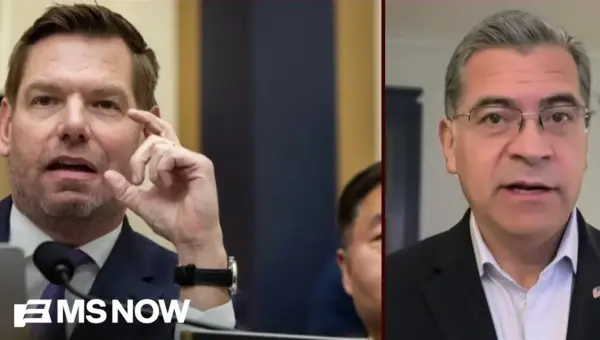
Becerra: Swalwell’s Exit Creates Accountability in Governor Race
Xavier Becerra stated that Eric Swalwell's exit from the California governor race brings accountability. Becerra believes the departure has clarified the contest, allowing voters to focus on key issues like housing and healthcare. He also voiced concerns about "governing by tweets" and its impact on energy prices.