Party Loyalties Tested as Swalwell Controversy Roils California Politics
Allegations against Eric Swalwell have triggered debate within the Democratic Party about loyalty and vetting. As California eyes its next governor, candidates like Tom Steyer and Matt Mahan present different visions for the state's future. Meanwhile, Andrew Yang urges action on AI's potential job market disruption.

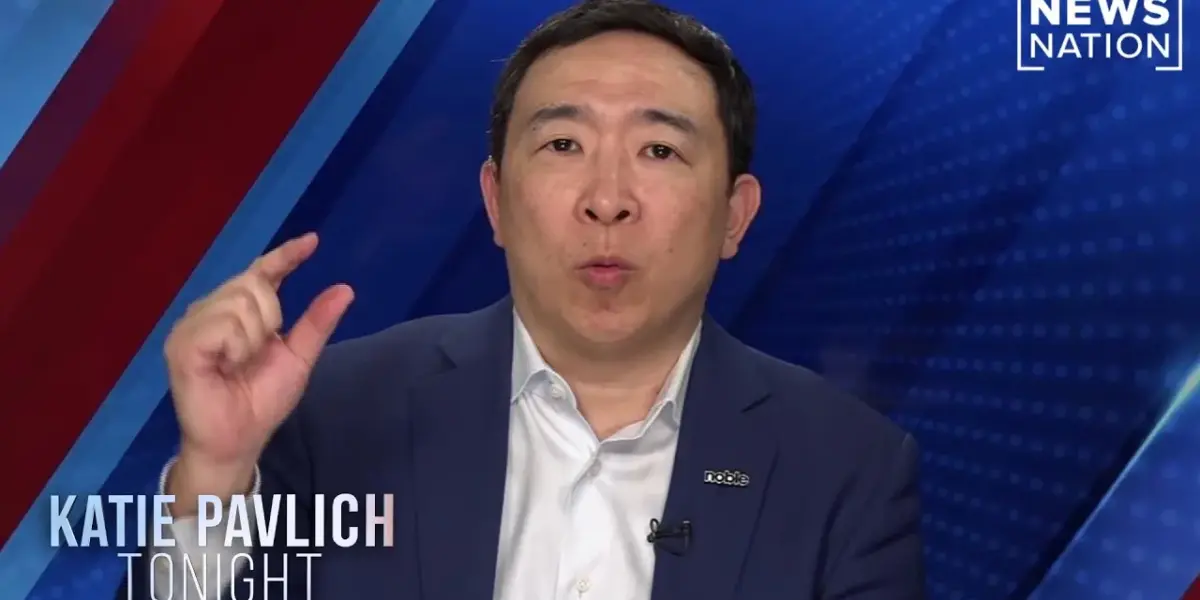
California Democrats Face Backlash Over Swalwell’s Alleged Ties
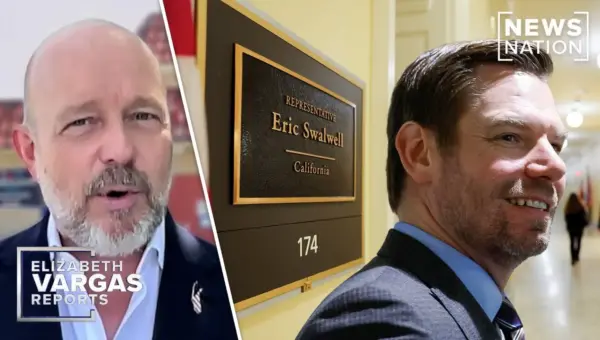
Recent allegations surrounding Congressman Eric Swalwell have sent ripples through California’s political scene, sparking questions about party loyalty and the vetting process for public officials. Andrew Yang, speaking on Katie Pavlich’s show, expressed sympathy for Swalwell’s family but questioned how the congressman, whom he described as a “competent partisan messenger” rather than a heavyweight, could have come so close to becoming governor of California.
Yang’s surprise highlights a perceived disconnect between Swalwell’s public profile and his near-ascension in state politics. The fact that such a figure was a frontrunner for a major state office, Yang suggests, is itself remarkable and speaks to broader dynamics within the Democratic Party.
The “Open Secret” and Party Protection
Talk has surfaced that Swalwell’s alleged past connections were an “open secret” in Washington, with many in the Democratic Party, including House Speaker Nancy Pelosi, reportedly protecting him. This protection, some argue, stemmed from his utility as a vocal advocate for the party, often taking on opponents in cable news appearances.
However, as the allegations gained traction, the narrative shifted. Once it became clear Swalwell might not be an asset in the governor’s race, many Democrats quickly distanced themselves. This swift change of heart has led to accusations that the party was willing to discard him when he was no longer politically useful, a move that is difficult to ignore.
Clubhouse Politics and Dismissed Concerns
Yang pointed out a broader issue beyond just the Democratic Party: a “clubby” political dynamic present in both major parties. In this environment, negative information about an individual can often be easily dismissed as mere political attacks, regardless of its validity.
He stressed that the concerns raised in Swalwell’s case were not simply political attacks but involved women who described having “terrible experiences.” This suggests a failure to adequately address serious personal allegations when they arise, a symptom that extends to both parties and impacts how individuals in power are treated.
Tom Steyer Enters the Gubernatorial Race
Amidst the fallout, billionaire Tom Steyer is now a leading contender for California’s next governor. Steyer, who previously ran against Gavin Newsom in 2020, has a history of advocating for climate change initiatives and has been praised for his spending on these issues.
During a debate, Steyer received support for his focus on climate action, with one participant noting that his campaign spending was “on fighting climate change and you can’t [say that about] some having money and spending in the right way.” This highlights Steyer’s platform and his approach to using personal wealth for political advocacy.
Matt Mahan’s Local Focus
In contrast to Steyer’s statewide focus, Yang offered his endorsement for Matt Mahan, the mayor of San Jose. Yang praised Mahan’s work on cleaning up streets and prioritizing government efficiency, cutting waste and fraud.
Yang believes this practical, results-oriented approach would resonate with many Californians. He suggested that Mahan could benefit from Swalwell’s exit from the governor’s race, as voters may seek a different kind of leadership focused on tangible local improvements.
Shifting Rhetoric and Real-World Decisions
The conversation then turned to the rhetoric used in political campaigns, particularly concerning crime. Steyer has adopted a tougher stance, even proposing plans to hold leaders accountable for certain actions, a shift from typical Democratic messaging.
Yang acknowledged that this kind of rhetoric appeals to a significant portion of the Democratic base. However, he also noted that when politicians like Mahan are actively running cities, they must make difficult decisions that directly impact their constituents. This contrast between campaign promises and governing realities is a key factor for many voters.
The Growing Impact of Artificial Intelligence
The discussion then shifted to a topic close to Andrew Yang’s heart: the rapid advancement of Artificial Intelligence (AI) and its potential impact on the job market. Yang, who made AI a central theme of his 2020 presidential campaign, believes AI will automate millions of American jobs.
He expressed concern that recent college graduates are already struggling to find employment, indicating that the effects of AI are becoming visible. Yang proposed three key actions for the Trump administration to address this looming challenge.
Three Steps to Manage AI’s Job Market Impact
First, Yang suggested taxing AI. He referenced comments from Dario Amodei, CEO of Anthropic, who proposed AI taxes, and argued that near trillion-dollar companies should contribute more through taxation.
Second, he called for regulation, comparing AI to electricity. Just as the power grid is regulated, Yang believes AI needs oversight to prevent unchecked growth and potential harm. He advocates for an AI regulator whose interests align with the public good, not just the industry.
Third, Yang proposed that communities should have a say in whether data centers are built in their neighborhoods. If data centers are established, he argued, the communities should receive compensation for hosting them. This approach aims to ensure that the benefits of AI development are shared more broadly.
Why This Matters
The Swalwell controversy, while focused on a specific individual, reveals deeper issues within political parties regarding accountability, vetting, and the use of party figures as political tools. The swift shift in support, or lack thereof, when political utility changes, raises questions about the integrity of political alliances.
The discussion around Steyer and Mahan highlights different approaches to governance and campaigning. One emphasizes broad, progressive initiatives funded by personal wealth, while the other focuses on local, practical problem-solving. Voters will need to decide which vision better serves California.
Andrew Yang’s continued focus on AI’s impact on jobs is also critically important. As AI technology advances at an alarming rate, proactive measures are needed to prepare the workforce and ensure that technological progress benefits society as a whole, rather than exacerbating economic inequality.
Implications and Future Outlook
The Swalwell situation could lead to increased scrutiny of political figures with controversial pasts, potentially making parties more cautious about promoting individuals with questionable backgrounds. It also highlights the power of public opinion and media attention in shaping political careers.
The California gubernatorial race will likely be shaped by these competing visions of leadership and policy. The debate between broad, aspirational goals and grounded, community-focused solutions will be a key theme as candidates vie for voter support.
On the national level, Yang’s proposals on AI taxation and regulation are gaining traction. As AI’s capabilities expand, discussions about its societal impact, particularly on employment and economic stability, will become increasingly urgent. The call for community input on data center development is a novel approach to managing the physical footprint of the digital economy.
Historical Context
Allegations of personal misconduct affecting political careers are not new. Throughout history, politicians have faced scandals that tested their public standing and their parties’ support. The dynamics of how these issues are handled – whether through swift condemnation, quiet support, or eventual dismissal – often reveal more about the political climate and party strategies than about the individuals involved.
The rise of figures like Steyer, who use significant personal wealth to influence politics, is part of a longer trend in American politics where financial resources play a key role in electoral success. This raises ongoing debates about campaign finance reform and the influence of money in politics.
Concerns about technological unemployment are also not entirely new, with past innovations like automation in factories sparking similar anxieties. However, the speed and pervasiveness of AI development present a unique challenge, potentially impacting a wider range of professions than previous technological shifts.
Looking Ahead
As California navigates its gubernatorial election, voters will weigh the different approaches offered by candidates like Steyer and Mahan. The outcomes of these local races often reflect broader national political trends.
Meanwhile, the conversation around AI’s impact on jobs is set to intensify. Policy makers will need to grapple with how to tax, regulate, and manage the societal consequences of this rapidly evolving technology. The upcoming years will likely see more concrete proposals and debates on how to prepare for an AI-driven future.
Source: Andrew Yang reacts to fallout from Eric Swalwell allegations | Katie Pavlich Tonight (YouTube)

Related Articles
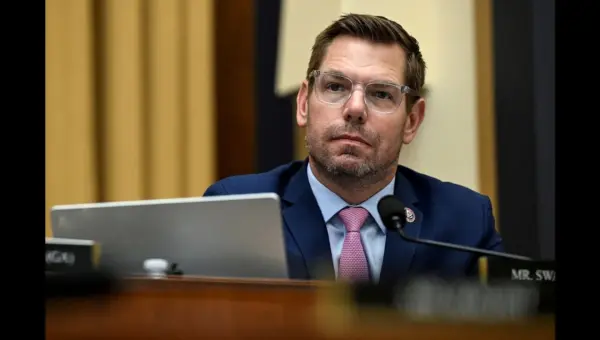
Swalwell Resignation Sparks Special Election, Governor Race Heats Up
California's 14th Congressional District will hold a special election on August 18th following Eric Swalwell's resignation amid sexual misconduct allegations. Candidates in the governor's race are reacting to the controversy, highlighting differing views on accountability and public trust.

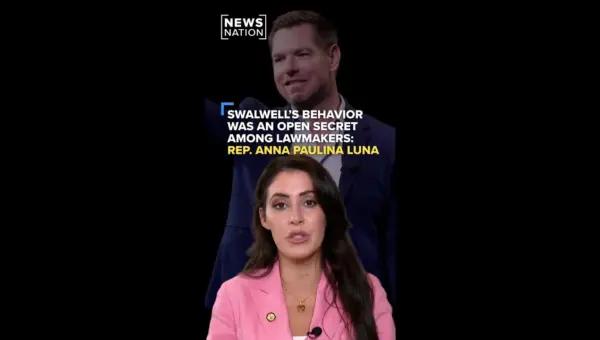
Swalwell’s Capitol Hill Conduct: An Open Secret No More
Congressman Eric Swalwell's resignation followed years of 'open secret' allegations about his conduct. His staff's distrust and a formal expulsion motion finally brought the issue to light, raising questions about accountability in Washington.

California Democrats’ Arrogance Fuels Political Fallout
A report reveals alleged misconduct and a pattern of behavior within California's Democratic party, leading to criticism of their silence and perceived arrogance. The state's one-party rule exacerbates these issues, while Republicans struggle to gain traction. Meanwhile, Californians grapple with high gas prices and a severe homelessness crisis, highlighting governance challenges.