IMF Warns: War, AI Hype, Trade Wars Threaten Global Economy
The International Monetary Fund (IMF) has identified three major risks threatening the global economy in 2026: escalating conflict in the Middle East, the uncertain economic impact of Artificial Intelligence, and a potential return to global trade wars. The IMF warns that these factors could lead to energy price spikes, supply chain disruptions, stock market declines, and increased inflation.

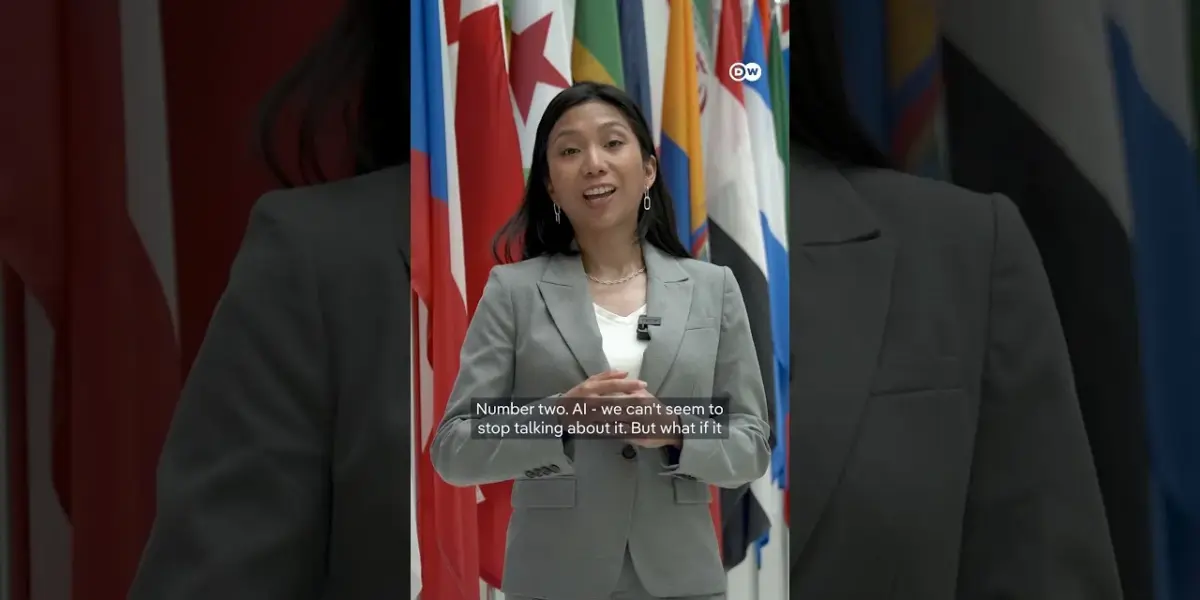
Global Economy Faces Major Risks in 2026, IMF Report Reveals
The International Monetary Fund (IMF) has issued a stark warning about the global economy, highlighting three major risks that could lead to a significant downturn in 2026. In its latest World Economic Outlook, the IMF stated that “downside risks dominate,” meaning bad outcomes are more likely than good ones. These risks include the potential for escalating conflict, the uncertainty surrounding Artificial Intelligence (AI) development, and a return to global trade wars.
Iran Conflict Could Spark Energy Price Spikes and Supply Chain Woes
One of the most pressing concerns is the ongoing conflict involving Iran. The IMF’s current forecast, or “base case,” assumes the conflict will be short-lived, allowing for a recovery and global growth of 3.1% in 2026. However, an intensified war could have severe consequences. Such a scenario would likely lead to volatile energy prices, further disrupt global supply chains, and weaken national currencies worldwide. In an adverse scenario, where the conflict drags on, global growth could drop to 2.5%. This would coincide with oil prices averaging $100 per barrel. A severe scenario, with oil prices reaching an average of $110 per barrel, could push global growth down to just 2%. The IMF noted that growth below 2% is considered recession territory, a serious concern for economies around the globe.
AI’s Uncertain Future May Dampen Investment and Markets
Another significant risk stems from the rapid advancements and widespread discussion surrounding Artificial Intelligence. While AI promises great potential, there’s a possibility that the expected economic benefits might not materialize as quickly or as strongly as anticipated. If the promised returns on AI investments fail to appear, it could lead to a sharp decrease in tech sector investment. This lack of innovation could then drag down the stock market. The IMF outlined a scenario where US stocks could fall by 20%. A broad loss of investor confidence often leads to higher borrowing costs for businesses and consumers, which would further hinder economic growth. This uncertainty highlights the delicate balance between technological promise and economic reality.
Resurgence of Trade Tariffs Could Cause Shortages and Inflation
The specter of trade wars also looms large over the global economic outlook. While past trade disputes, notably those initiated by former US President Donald Trump, have seen some tariffs reduced through rulings and agreements, the risk of new trade barriers remains. If countries, including the United States, reimpose or increase tariffs on imported goods, it could trigger widespread shortages of essential items. These shortages, in turn, would likely drive prices higher, contributing to inflation. Furthermore, nations might restrict the export of critical materials, such as rare earth minerals, which are vital for many advanced technologies. Such export controls would create even more significant disruptions to global manufacturing and trade, impacting production and availability of goods worldwide.
IMF Urges Proactive Measures to Mitigate Economic Threats
Despite these serious risks, the IMF’s report emphasizes that catastrophic outcomes are not inevitable. The organization is not predicting the worst-case scenarios but acknowledges their real possibility. The good news, according to the IMF, is that governments and international bodies have the power to take action. By implementing proactive policies and fostering cooperation, countries can work to prevent these risks from escalating and maintain economic stability. The IMF’s outlook serves as a crucial reminder of the interconnectedness of global events and the importance of strategic planning in navigating economic uncertainties.
What to Watch Next
As 2026 approaches, global attention will be fixed on developments in the Middle East, the actual impact of AI on productivity and investment, and the trade policies adopted by major economic powers. The effectiveness of international cooperation in addressing these multifaceted challenges will be key to shaping the global economic trajectory.
Source: Three risks to the global economy | DW News (YouTube)

Related Articles

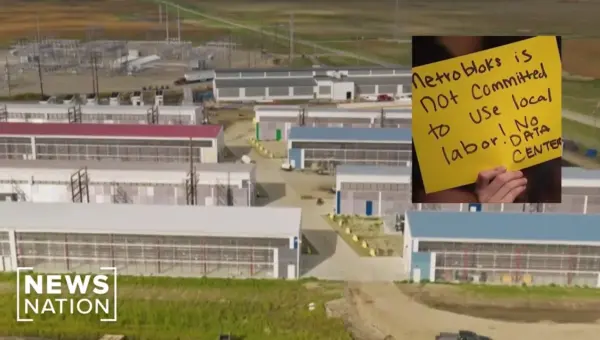
AI Data Centers Spark Rural Uprising
Rural American towns are fighting back against a surge of AI data centers. These massive facilities threaten water supplies, farmland, and local infrastructure. Residents and lawmakers are pushing for new rules to control their growth and ensure companies bear more of the costs.

Trump’s Trade Wars Fueled Inflation, Fed Report Claims
A new Federal Reserve report links Donald Trump's trade wars to increased inflation since January 2025. Economists claim prices would have fallen to pre-pandemic levels without these tariffs. This finding highlights the significant consumer cost of protectionist trade policies.


Iran Blockade Sparks Global Economic Fears
A tense standoff in the Strait of Hormuz, driven by Iran's control over the vital waterway, is sparking global economic fears and raising the specter of $20 a barrel gas prices. The crisis highlights complex geopolitical dynamics involving the U.S., Iran, China, and Israel, with diplomatic missteps and economic warfare strategies at the forefront. This situation underscores the fragility of global energy markets and the interconnectedness of international security and economic stability.