Billions Flow Back: Government Refunds Start for Importers
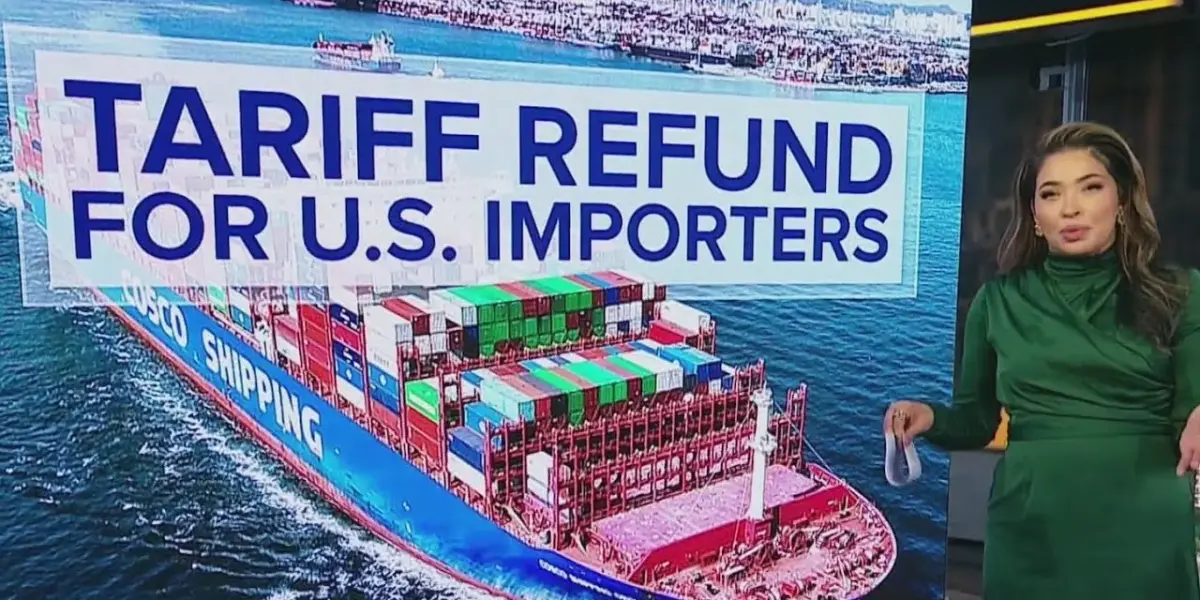
Billions of dollars are being returned to U.S. importers starting Monday through a new federal refund system. This follows a Supreme Court decision that overturned President Trump's emergency tariffs. While the total potential refunds reach $266 billion, many businesses are not yet ready to receive their share.

Billions Flow Back: Government Refunds Start for Importers
Starting Monday, a new federal system begins returning billions of dollars to U.S. importers. This follows a Supreme Court decision in February that overturned President Trump’s emergency tariffs. The government is now set to refund money it collected under those tariffs.
This new process, called CAPE (Consolidated Administration and Processing of Entries), aims to get money back to businesses. Customs and Border Protection says Phase One of the CAPE system starts April 20th.
Initially, the court’s decision raised questions about how much money importers could get back. Now, it’s clear the amount is substantial.
How Much Money is Involved?
The total amount of potential refunds is massive, reaching up to $266 billion. However, as of April 9th, only about 56,000 importers had completed the necessary steps for electronic refunds.
These completed claims cover roughly $127 billion. While a lot of money is in the process, many companies are not yet ready to receive their refunds.
This situation leaves many business owners wondering about eligibility and the impact on businesses that have struggled for over a year. The refunds are not for the average shopper who ultimately paid for higher prices. Instead, they are for the actual importer of record, the company or entity that paid the tariffs directly to customs.
Who Can Get a Refund and How?
To get a refund, importers or their authorized customs brokers must file claims through the ACE Secure Data Portal. They will use the new CAPE tool for this process. Claims are submitted to the CBP ACE portal.
The first phase of CAPE focuses on simpler cases. More complex claims will be handled later in the process.
This system is already facing challenges. Customs has warned that many companies have not signed up for electronic payments.
This could delay or even prevent refunds. Such delays could be very damaging, especially for small businesses that rely on this cash.
The Impact on Small Businesses
One small business owner shared her experience. She explained that she did not raise her prices for her customers, many of whom are new parents.
The cost of essential items like strollers and car seats went up significantly when the tariffs took effect. When prices didn’t come down, people stopped buying because they had to manage their budgets carefully.
Many businesses also worry about potential problems with the online portal. They fear paperwork errors and whether smaller claims are even worth the effort.
This is especially true at a time when businesses are already dealing with rising costs. The money could be much-needed relief.
Looking Ahead
For many struggling businesses, Monday is not the end of their wait but the beginning of a long journey to get their money back. The CAPE system’s success depends on businesses completing the necessary steps and the portal functioning smoothly. The government’s goal is to return these funds, but readiness and technical issues could create hurdles.
The full implementation of Phase One is expected to continue, with more complex cases to follow. Businesses that have not yet started the process should act quickly to ensure they can access their eligible refunds. The coming weeks will show how effectively the system can deliver these substantial financial returns.
Why This Matters
This massive refund program directly impacts the financial health of countless U.S. businesses, especially smaller ones. The tariffs, enacted under national security concerns, led to increased costs that were often passed on to consumers or absorbed by businesses, hurting profits. The Supreme Court’s ruling recognized the improper application of these tariffs.
The CAPE system represents a significant effort by the government to correct past financial decisions. It aims to provide much-needed liquidity to companies that have been waiting for this relief. The successful rollout and accessibility of the portal are critical for economic recovery and fairness for businesses impacted by the tariffs.
Historical Context
The tariffs in question were part of a broader trade policy initiative that began several years ago. These measures aimed to protect domestic industries and address trade imbalances. However, they also led to retaliatory tariffs from other countries and increased costs for American businesses importing goods.
The legal challenges to these tariffs eventually reached the Supreme Court. The court’s decision to strike them down highlighted the importance of proper legal procedures in imposing such economic measures. The current refund system is a direct consequence of that legal outcome.
Implications and Future Outlook
The successful processing of these refunds could inject significant capital back into the U.S. economy. This could help businesses invest, expand, and hire more workers. However, if the system faces major technical issues or if many businesses fail to complete the required steps, the intended economic benefits might not be fully realized.
The government’s ability to manage this large-scale refund operation will be closely watched. It could influence future trade policies and the government’s approach to financial redress. The focus now shifts to the practical execution of the CAPE system and how quickly businesses can access these funds.
Source: Tariff refund system: What to know about portal for businesses | Morning in America (YouTube)

Related Articles
New Jersey Tops ‘Least Free’ State Ranking
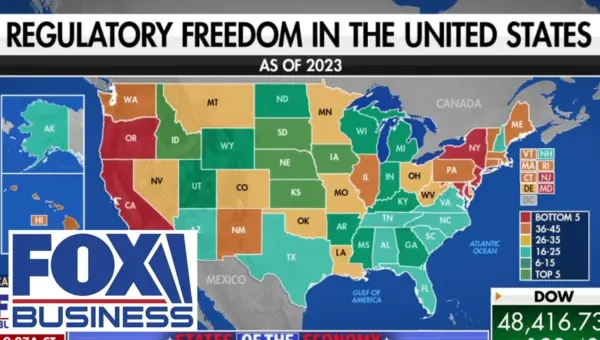
New Jersey has been ranked the 'least free' state due to its heavy regulatory burden, according to the Cato Institute. The report contrasts this with states like Arkansas, Iowa, and South Dakota, which have fewer regulations. This has significant implications for business growth and investment attractiveness.

Artists Fight Lyrics Used as Evidence in Court Cases
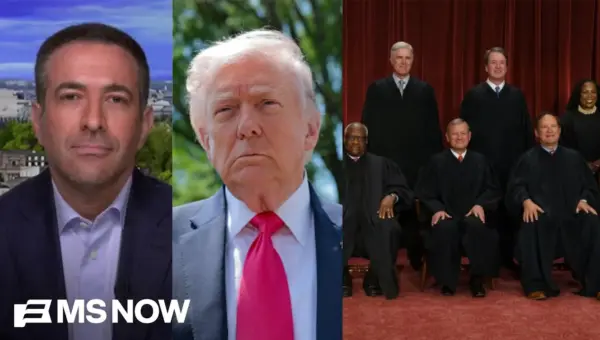
A coalition of artists is petitioning the Supreme Court to prevent song lyrics from being used as evidence in court. Led by music executive Kevin Liles, the group argues that lyrics are a form of creative expression, not factual accounts, and their misuse disproportionately targets hip-hop artists. This legal battle seeks to protect free speech and prevent a double standard in the justice system.

Trump Tariffs Fueled Inflation, Fed Report Reveals
A Federal Reserve report indicates that former President Trump's tariffs are directly responsible for current inflation. Economists found that without these tariffs, prices would have returned to pre-pandemic levels. This analysis links specific trade policies to the financial strain on American households.