Social Media Fuels Antisemitic Attacks Using Young Recruits
Extremist groups are increasingly using social media to recruit young people for violent acts, including antisemitic attacks. Police are investigating this tactic, which often involves offering cash to teenagers who may not fully understand the consequences of their actions. Identifying the masterminds behind these operations is a significant challenge due to the layered recruitment and execution methods employed.

Social Media Fuels Antisemitic Attacks Using Young Recruits
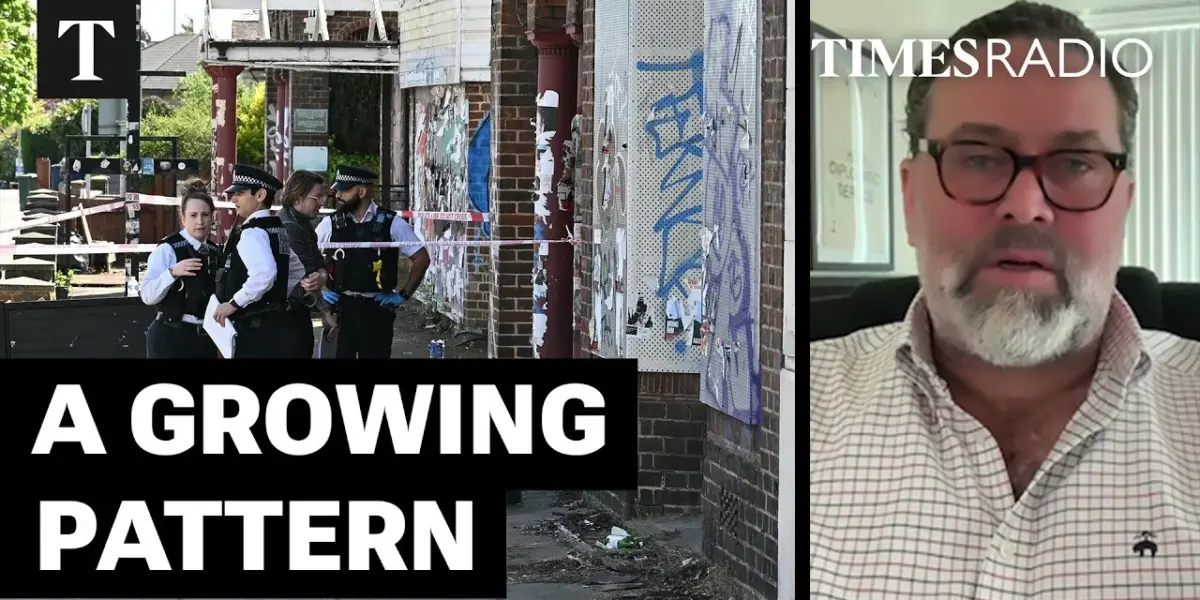
A new and disturbing trend is emerging where extremist groups are using social media platforms to recruit young people for violent acts, including antisemitic attacks. Police are investigating an arson attack on a business in Northwest London, used by the educational charity Jewish Futures, as an antisemitic hate crime. Counter-terrorism police suspect Iran is involved through an Islamist group claiming responsibility for multiple incidents.
Roger Macmillan, former head of security at Iran International TV, explained that a newly formed group called Harakat al-Shabab al-Islamiya is behind at least four attacks in the UK and several more overseas. This group is actively recruiting young individuals, sometimes teenagers, through social media and encrypted messaging apps to carry out these violent acts.
The Recruitment Tactic: Social Media and Young Targets
The strategy involves reaching out to young people, often those who may be unaware of the full implications of their actions. Macmillan highlighted instances where teenagers and young adults, some as young as 16, have been arrested for carrying out attacks. These individuals were reportedly contacted through platforms like Snapchat and offered money to commit these crimes.
In one case in France, a young man was paid 650 euros to attack a bank, reportedly without even knowing the full reason behind it, beyond a personal dispute mentioned by the recruiter. This suggests that the recruiters may not always disclose the true motivations or the broader context of the attacks to the young people they enlist.
Why Young People Are Targeted
Young people are seen as more susceptible to recruitment for several reasons. The offer of cash can be a significant motivator for teenagers and young adults. The nature of these tasks, often described as seemingly simple or quick jobs, can make them appear less risky to those involved.
Beyond financial incentives, there are psychological factors at play. Macmillan suggested that feelings of inclusion or belonging within a group, even a criminal one, can appeal to young individuals. This recruitment process often happens on secure messaging apps, creating a sense of secrecy and exclusivity.
The ‘Gig Economy’ of Crime
This recruitment method is being described as a new form of the ‘gig economy,’ but applied to criminal activities. Organizations are using online platforms and secure messaging apps like Telegram and Snapchat to find individuals for specific tasks. Sometimes, these tasks are carried out for the thrill or because the recruits are drawn to viral trends seen on platforms like TikTok, without fully understanding the consequences.
The danger lies in young people being drawn into activities they do not fully comprehend. They may not know who is truly behind the operation or the ultimate goals of the organization. This lack of awareness, combined with the promise of money, makes them vulnerable pawns in larger schemes.
Challenges for Law Enforcement
Investigating these acts and identifying the masterminds behind them presents significant challenges for law enforcement. While police have made swift arrests in some cases, such as the attack on Iran International and the Soleimani crimes, apprehending those at the top is incredibly difficult.
The perpetrators often employ a layered approach to their operations. One group might handle the targeting of a location, while another group focuses on recruiting the young individuals.
These recruits are then passed on to someone else to manage the execution of the attack. This structure makes the organization’s leadership deniable and disposable, as the individuals directly involved are often low-level operatives.
The Deniability of Operations
The entire structure of groups like Harakat al-Shabab al-Islamiya is designed to be deniable. By using intermediaries and recruiting vulnerable young people through anonymous online channels, the core organizers can distance themselves from the actual criminal acts. This layered recruitment and execution process makes it hard to trace the responsibility back to the originators.
The brand or name of the organization itself can become disposable, allowing new, similar groups to emerge without a clear link to previous activities. This makes dismantling the entire network and preventing future attacks a complex and ongoing battle for authorities.
Looking Ahead
The use of social media by extremist groups to recruit young people for violent acts is a growing concern that requires a multi-pronged response. This includes enhanced online monitoring, educational initiatives to raise awareness among young people and parents, and international cooperation to disrupt these networks.
Authorities are working to understand and counter these evolving recruitment tactics. The next steps will likely involve greater collaboration between social media companies and law enforcement to identify and remove harmful content and to disrupt the channels used for recruitment and incitement.
Source: How Social Media Is Fuelling Recruitment For Antisemitic Attacks | Roger Macmillan (YouTube)

Related Articles

UK Jewish Community Feels Under Siege Amid Rising Attacks
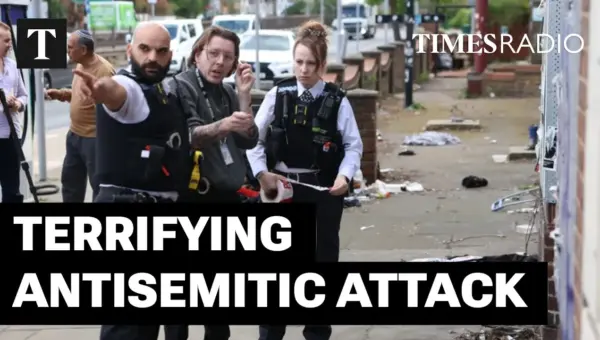
The UK's Jewish community is feeling increasingly vulnerable following a series of attacks, including an attempted arson at a former Jewish charity building in North London. Experts and local officials express deep concern, highlighting a pattern of intimidation and prejudice. A key call for action involves the proscription of Iran's Islamic Revolutionary Guard Corps.


Radicalized Youth Fueling Violence: America’s Disturbing Trend
A disturbing trend of young men becoming radicalized and committing violent acts is accelerating in America. Factors like pandemic isolation, online algorithms, and extremist influences are contributing to this pattern. Understanding these root causes is crucial for preventing future tragedies.

AI War: Fake Videos Fuel Iran Conflict Narrative
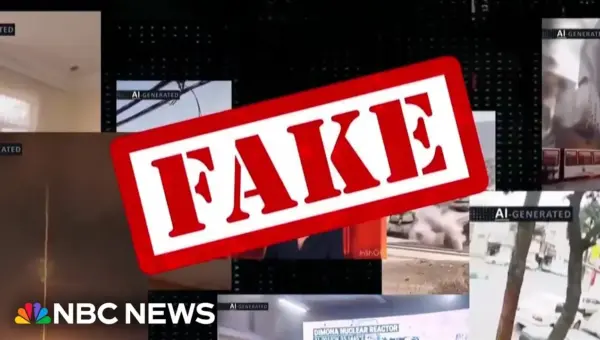
Experts are raising alarms as sophisticated AI-generated videos, appearing to depict events from the Iran conflict, spread rapidly across social media. Analysis confirms these videos are fake, yet their believable nature allows them to fuel disinformation campaigns. This trend is leading to a growing erosion of public trust in online information.