Fossil Fuels Used as ‘Weapon of War,’ Journalist Warns
Investigative journalist Antonia Juhasz states that fossil fuels are being used as a "weapon of war," contributing to fears of a global oil supply shock. Geopolitical tensions, particularly involving Iran and the Strait of Hormuz, are causing fuel hoarding and price increases. This instability also presents significant challenges to the transition towards green energy.

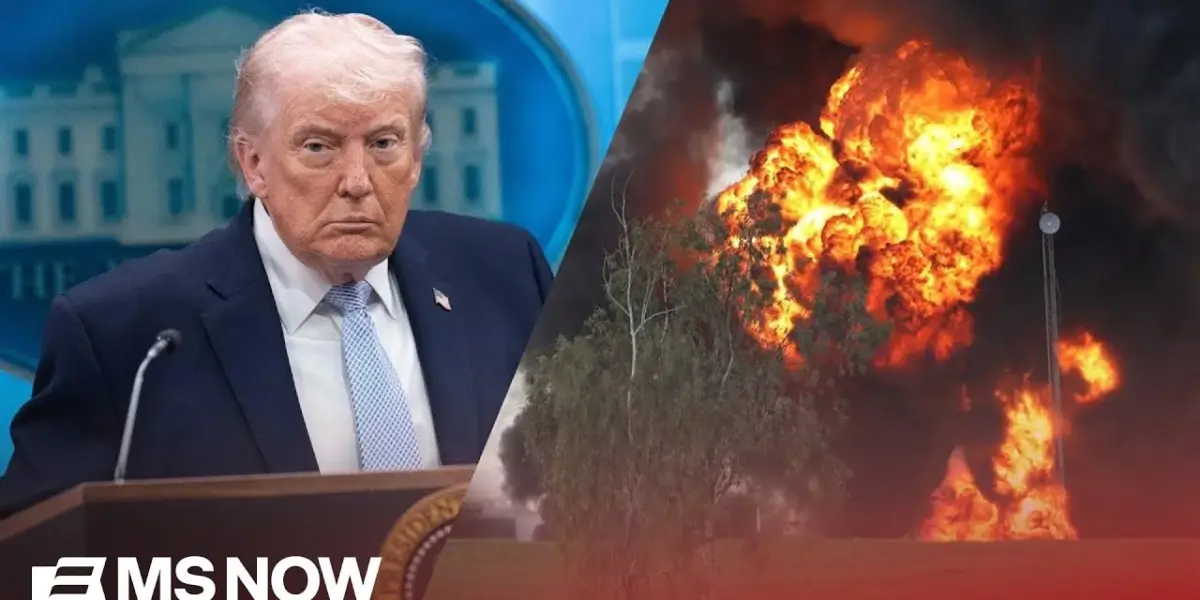
Global Oil Shock Looms as Fossil Fuels Become ‘Weapon of War’
Investigative journalist Antonia Juhasz warns that fossil fuels are being used as a “weapon of war.” This comes amid fears of a major global oil supply disruption. The ongoing conflict involving Iran and potential disruptions in critical shipping lanes like the Strait of Hormuz are driving these concerns.
These tensions are leading to increased fuel hoarding and panic buying. Consequently, fuel costs have seen a significant rise.
Juhasz, a reporter for Rolling Stone specializing in energy and politics, discussed these issues with Chris Hayes. She explained how the current geopolitical situation is impacting oil markets and why she views fossil fuels as instruments of conflict.
Disruptions Fueling Panic and Price Hikes
The risk of a historic global oil supply shock is growing. This is largely due to ongoing conflicts and potential disruptions in key regions.
The Strait of Hormuz, a vital waterway for oil transport, is a particular area of concern. Any interruption there could have immediate and severe global consequences.
These fears are directly translating into real-world behavior. Consumers are engaging in fuel hoarding and panic buying.
This increased demand, coupled with actual or perceived supply shortages, naturally drives up prices. The situation highlights the fragility of the global energy system and its dependence on stable geopolitical conditions.
Fossil Fuels as Strategic Tools
Journalist Antonia Juhasz argues that fossil fuels are not just commodities but are actively being used as weapons. This means that control over oil and gas supplies can be used to exert political or military pressure. Nations or groups can leverage their energy resources to influence international relations or achieve strategic objectives.
Juhasz’s perspective suggests a deliberate use of energy resources in conflicts. This goes beyond simple market economics.
It implies that energy supply and demand can be manipulated for strategic gain. This framing casts a new light on the role of fossil fuels in international affairs and warfare.
Hurdles to Green Energy Transition
While the world grapples with fossil fuel volatility, efforts to transition to cleaner energy sources face significant challenges. The current global energy crisis, fueled by geopolitical instability, may inadvertently slow down this transition. Investing in and scaling up renewable energy requires stable planning and significant capital, which can be disrupted by immediate energy security concerns.
The reliance on fossil fuels, even as the world seeks alternatives, creates a difficult situation. The immediate need for energy security can lead to increased investment in traditional sources.
This presents a complex dilemma for policymakers aiming for a swift shift to green energy. Overcoming these hurdles will require sustained commitment and strategic investment in renewable technologies.
Looking Ahead: Energy Security and Transition
The coming months will be critical for understanding the future of global oil markets. Watch for developments in the Strait of Hormuz and other key energy-producing regions. The world will also be observing how governments respond to the dual challenges of energy security and climate change.
The actions taken now will determine the pace of the green energy transition. Continued reliance on fossil fuels as strategic assets could prolong their dominance.
However, the growing instability might also accelerate the push for energy independence through renewables. The next major oil price report will offer further insight into market reactions.
Source: Fossil fuels as a “weapon of war”: Investigative journalist Antonia Juhasz and Chris Hayes (YouTube)

Related Articles

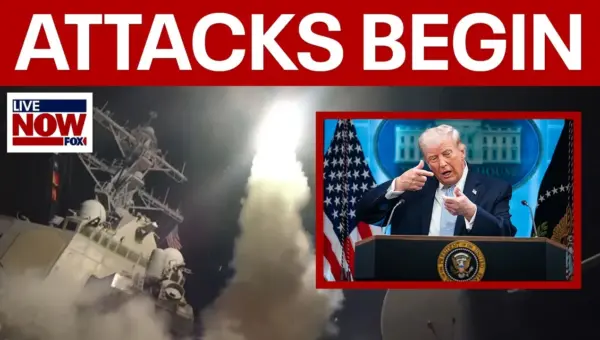
Trump Threatens ‘Civilization’s Death’ as US Strikes Iran
President Trump issued a stark warning to Iran, threatening catastrophic consequences if a deal to reopen the Strait of Hormuz was not reached. The U.S. military carried out dozens of strikes against targets on Kharg Island following Trump's deadline. International leaders expressed concern over potential war crimes amid the escalating tensions.
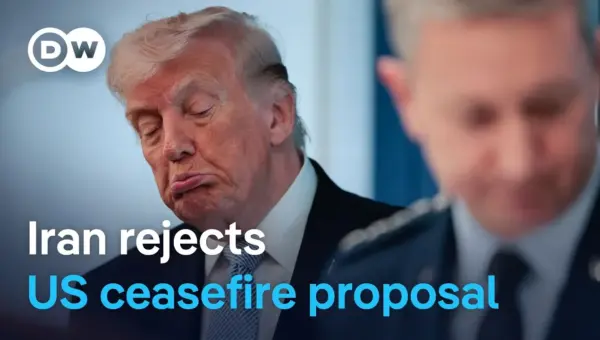
Iran Rejects US Ceasefire, Defies Strait of Hormuz Reopening Demand
Iran has rejected the US ceasefire proposal and defied demands to reopen the Strait of Hormuz. Analysts warn of significant global economic impacts if the vital oil shipping lane is disrupted. The situation remains tense as a US deadline for reopening the strait approaches.


Kidnapped Reporter Slams Trump’s Iran Threat as Misguided
Journalist David Rohde, a former Taliban hostage, has criticized Donald Trump's warning to Iran about the Strait of Hormuz. Rohde stated that Trump's aggressive language shows a deep misunderstanding of Islam and the region. His comments highlight the potential pitfalls of confrontational rhetoric in complex international diplomacy.