Kidnapped Reporter Slams Trump’s Iran Threat as Misguided
Journalist David Rohde, a former Taliban hostage, has criticized Donald Trump's warning to Iran about the Strait of Hormuz. Rohde stated that Trump's aggressive language shows a deep misunderstanding of Islam and the region. His comments highlight the potential pitfalls of confrontational rhetoric in complex international diplomacy.

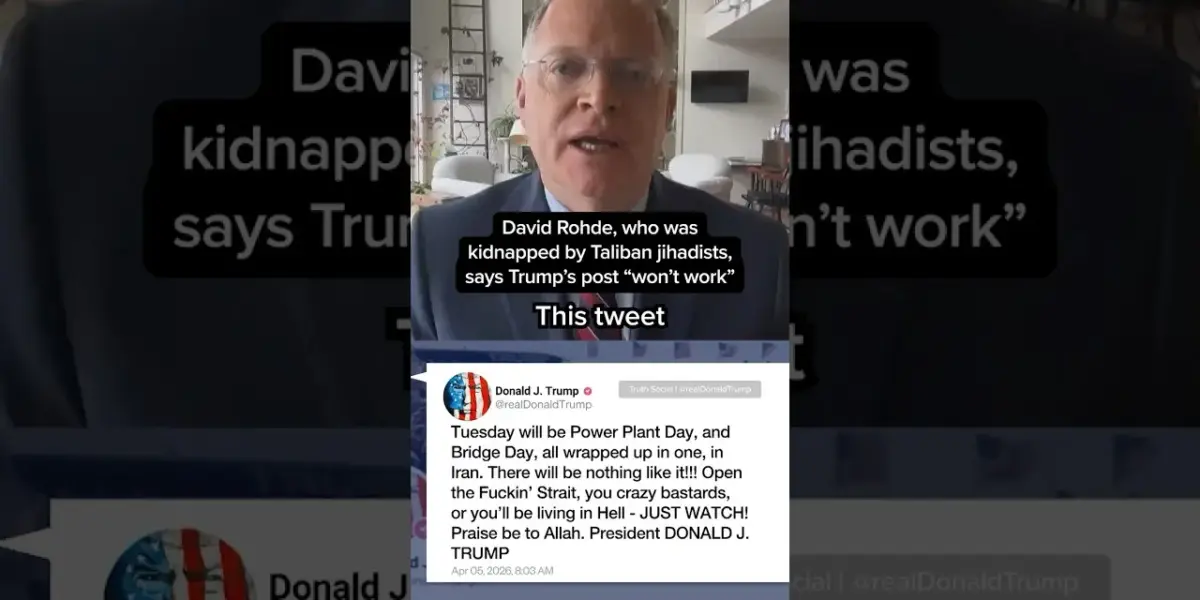
Reporter Critical of Trump’s Iran Warning
David Rohde, a journalist who spent seven months held captive by the Taliban, has strongly criticized a recent social media post by former President Donald Trump. Trump’s post warned Iran that they would be “living in Hell” if they did not reopen the Strait of Hormuz. Rohde stated that this message shows a profound lack of understanding of both Islam and the region where the Strait of Hormuz is located.
Rohde’s Experience Shapes His View
Rohde’s firsthand experience with the Taliban in 2008 provides a unique and sobering perspective on international relations and conflict. His captivity offered him a deep, albeit harsh, insight into the mindset and motivations of extremist groups operating in the Middle East.
He believes that such threats, made without a thorough grasp of the local context, are unlikely to achieve the desired diplomatic or strategic outcomes. Instead, they risk escalating tensions and misunderstanding complex geopolitical situations.
Understanding the Strait of Hormuz
The Strait of Hormuz is a critical narrow waterway that connects the Persian Gulf to the open ocean. It is one of the world’s most important oil transit chokepoints.
Approximately 20-30% of the world’s oil supply passes through this strait daily, making it a vital artery for global energy markets. Any disruption to shipping in this region can have immediate and significant impacts on oil prices and availability worldwide.
Geopolitical Significance and Iran’s Role
Iran, bordering the Strait of Hormuz on its northern side, has historically used its strategic location as a point of leverage in international affairs. The country has, at times, threatened to block or disrupt shipping through the strait in response to international pressure, sanctions, or military threats. This makes the Strait of Hormuz a constant flashpoint in the complex relationship between Iran and Western powers, particularly the United States.
Trump’s Rhetoric and Its Potential Impact
Former President Trump has often employed strong, confrontational rhetoric in his foreign policy dealings. His social media posts, like the one targeting Iran, are frequently direct and forceful.
While this approach can sometimes be seen as projecting strength, critics like Rohde argue it can also be counterproductive. Such language, devoid of nuanced diplomacy, may alienate potential allies, provoke adversaries, and fail to address the root causes of conflict.
Expert Analysis on Diplomatic Approaches
Security analysts often point out that effective foreign policy requires more than just threats. Building alliances, engaging in sustained diplomatic negotiations, and understanding the internal dynamics of other nations are crucial.
Rohde’s comments suggest that a strategy relying solely on intimidation is unlikely to succeed in a region as complex and historically charged as the Middle East. True progress often involves a deeper engagement with cultural, religious, and political factors at play.
The Importance of Context in International Threats
When nations issue threats, especially in volatile regions, the context surrounding those threats is paramount. A message intended to deter can easily be misinterpreted or viewed as an act of aggression.
Rohde’s critique highlights the danger of simplistic pronouncements on the global stage. Effective communication in foreign policy requires careful consideration of how words will be received and the potential consequences they might unleash.
Looking Ahead
As international tensions continue to simmer, particularly concerning Iran and global energy security, the effectiveness of different diplomatic and strategic approaches will remain under scrutiny. The upcoming actions and statements from global leaders regarding the Strait of Hormuz and Iran will be closely watched. Observers will be looking for signs of whether policy will lean towards aggressive posturing or more measured diplomatic engagement.
Source: David Rohde, who was kidnapped by Taliban jihadists, says Trump's post "won't work" (YouTube)

Related Articles

Trump Eyes Iran Deal by Monday, Hints at Support for Protests
President Donald Trump believes a deal with Iran could be finalized by Monday, telling Fox News he is considering aggressive actions if an agreement isn't reached quickly. Trump also revealed that the US sent guns to Iranian protesters through Kurdish channels. He further stated that Iran's nuclear program is no longer a point of negotiation, with most issues already conceded.

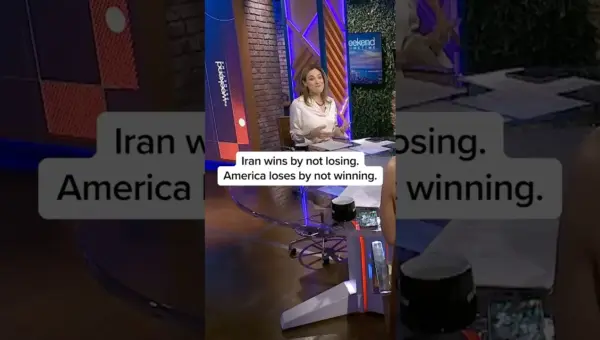
Iran’s ‘Win by Not Losing’ Strategy in Middle East Conflict
Iran is employing a "win by not losing" strategy in the ongoing Middle East conflict, avoiding direct confrontation while preventing decisive defeats. This approach contrasts with US aims for clear victories, leading to a prolonged and devastating war with no end in sight. The human cost for civilians remains a primary concern as the conflict continues.


US Rescues Second Airman Shot Down Over Iran
A U.S. service member, missing since Friday after an F-15E fighter jet crashed over Iran, has been successfully rescued. The multi-day operation culminated in the airman making contact with U.S. forces, leading to his extraction from behind enemy lines. The rescue, confirmed by President Biden, highlights a daring military operation amidst concerns over Iran's actions.