Trump’s Iran Threats Could Be War Crimes, Experts Warn
Legal experts warn that former President Donald Trump's threats to destroy Iranian bridges and power plants could constitute war crimes if carried out. Such actions would violate international laws designed to protect civilians and limit wartime destruction. The potential impact on Iran's civilian population and the U.S.'s global standing are significant concerns.

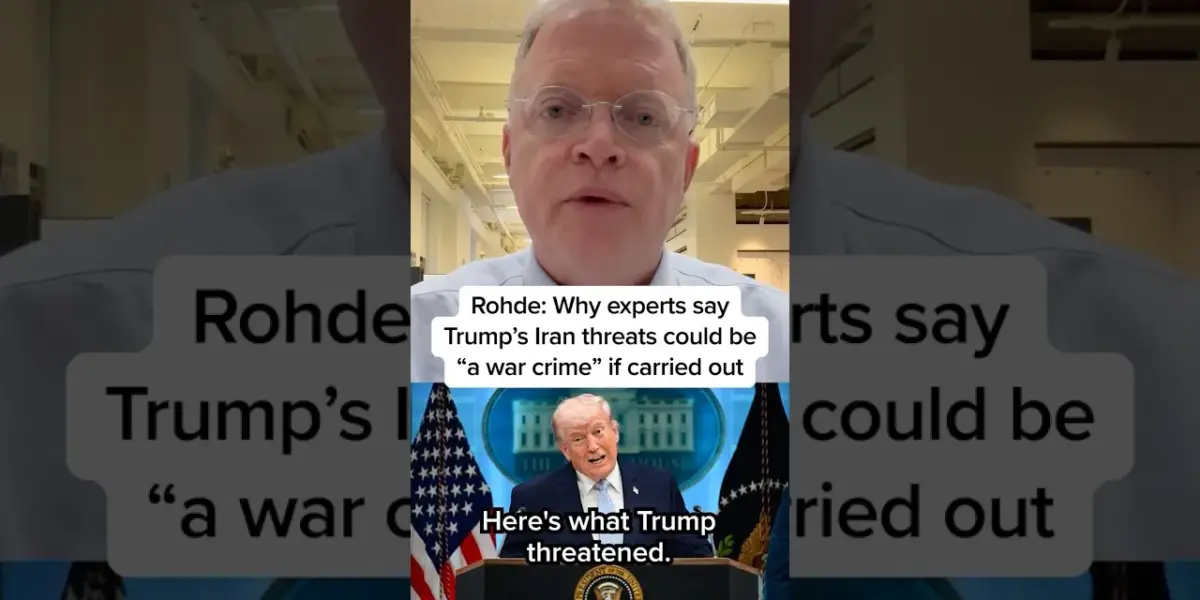
Experts Warn Trump’s Iran Threats Could Be War Crimes
Former President Donald Trump’s threats to target Iran’s infrastructure, including bridges and power plants, could be considered war crimes if carried out by the U.S. military. This warning comes from numerous legal experts who point to international law and established conventions governing warfare. The potential consequences of such actions are grave, raising serious questions about the legality and morality of these proposed military strategies.
Understanding International Law on Warfare
International law, specifically the Geneva Conventions and their Additional Protocols, sets clear rules for armed conflict. These laws aim to protect civilians and limit the destruction caused by war.
They define what constitutes a war crime, which involves serious violations of these rules. Targeting civilian infrastructure that does not serve a direct military purpose is generally prohibited.
What Constitutes a War Crime?
A war crime is a severe offense committed during wartime. Legal experts explain that intentionally attacking civilian objects, like bridges and power plants, which are not military targets, is a violation.
This is especially true if the attack is expected to cause widespread civilian harm or death. The intent behind the action is a key factor in determining if it crosses the line into a war crime.
Expert Analysis of Trump’s Statements
David Rohde, reporting for MS NOW, highlights that legal scholars and international law experts are voicing significant concerns. They state that Trump’s specific threats, if acted upon, directly contravene the principles of distinction and proportionality in warfare. These principles require combatants to differentiate between military objectives and civilian areas, and to ensure that any expected civilian harm is not excessive compared to the anticipated military advantage.
“The problem is that threat, if it’s carried out by the American military, is a war crime, according to many legal experts.”
This statement highlights the gravity of the situation. It suggests that the U.S. military, bound by international obligations, could face legal repercussions if such orders were given and executed. The experts’ consensus indicates a clear legal boundary that Trump’s stated intentions appear to cross.
Civilian Impact and Proportionality
The destruction of bridges and power plants would have a devastating impact on Iran’s civilian population. Such actions would disrupt essential services like water, electricity, and transportation, leading to widespread suffering.
International law demands that military actions be proportionate, meaning the expected military gain must outweigh the foreseeable harm to civilians. Targeting infrastructure critical to daily life, without a clear and immediate military necessity, would likely fail this test.
Broader Implications for International Relations
The discussion around these threats has significant implications for U.S. foreign policy and its standing on the global stage. Adherence to international law is a cornerstone of diplomatic relations and maintaining alliances.
Accusations or findings of war crimes could severely damage the United States’ reputation and lead to international condemnation or legal challenges. It also raises questions about accountability for those who order and carry out such actions.
The Path Forward
Legal experts continue to analyze the precise wording and potential interpretations of Trump’s statements. The focus remains on whether any future actions would be deemed legally justifiable military targets under the laws of armed conflict. International bodies and legal scholars will be watching closely for any actions taken and their compliance with established international humanitarian law.
Source: Rohde: Why experts say Trump's Iran threats could be "a war crime" if carried out (YouTube)

Related Articles
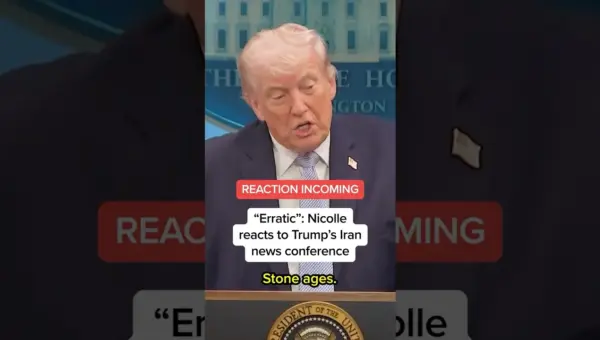
Wallace Slams Trump’s ‘Erratic’ Iran War Conference
Nicolle Wallace has strongly criticized former President Donald Trump's recent press conference on Iran, labeling his remarks as "erratic." Trump reiterated his threats to target Iranian power plants, a statement Wallace found alarming due to its potential to escalate tensions. The analysis highlights concerns about Trump's foreign policy style and its impact on international relations.
Trump’s Iran Deadline Looms: Is the US President Bluffing?
President Trump has issued a stern deadline to Iran, warning of severe consequences if demands aren't met. Analyst Zineb Riboua believes the President is serious and not bluffing, citing Iran's strategic miscalculations and overestimation of its own capabilities. The Strait of Hormuz remains a key flashpoint with potential global market impacts.

Trump Warns Iran: ‘Complete Demolition’ If Deal Fails
President Donald Trump issued a severe warning to Iran, threatening "complete demolition" if a deal is not reached by his Tuesday deadline. Speaking at the White House, Trump also expressed uncertainty about the current escalation of tensions and declined to rule out attacks on schools. The stark threats underscore the ongoing volatility in U.S.-Iran relations.