Fighter Jets Scramble to Intercept Plane Near Trump’s Mar-a-Lago
Fighter jets were scrambled to escort a civilian plane out of a temporary no-fly zone near former President Trump's Mar-a-Lago resort. Military officials confirmed the use of safe flares to alert the pilot. The aircraft was safely removed from the area without further incident.

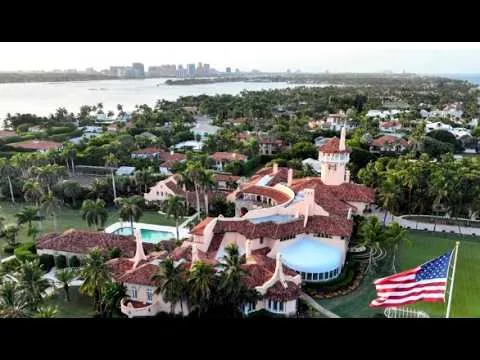
Fighter Jets Scramble to Intercept Plane Near Trump’s Mar-a-Lago
Military fighter jets were sent up yesterday to deal with a civilian plane that flew into a no-fly zone. This restricted airspace was set up near former President Donald Trump’s Mar-a-Lago resort in Florida. The temporary flight restriction zone was in place for a specific reason, though the transcript doesn’t detail what that was.
The North American Aerospace Defense Command, or NORAD, reported the incident. They said the plane entered the restricted area.
To get the pilot’s attention and guide them away, NORAD used flares. These flares are designed to be visible and a clear signal to pilots.
NORAD stressed that the flares are safe. They also stated that these flares do not pose any danger to people on the ground.
Safety was a top concern throughout the event. The goal was to resolve the situation without any harm or further complications.
After the flares were deployed, the civilian aircraft was escorted out of the restricted zone. The military confirmed that this happened without any further problems.
The situation was managed and resolved safely by the responding military personnel. They ensured the plane left the area peacefully.
Following the incident, NORAD issued a reminder to all pilots. They urged pilots to be aware of and strictly follow all airspace restrictions.
These rules are in place for important reasons, often related to security or the safety of public figures. Understanding and respecting these zones is crucial for everyone who flies.
Why This Matters
This event highlights the serious measures taken to protect sensitive locations and individuals, even after a president leaves office. The quick response by fighter jets and the use of flares show the military’s readiness to enforce no-fly zones. It also brings attention to the importance of pilots being fully aware of temporary flight restrictions, which can pop up unexpectedly.
The incident is a reminder that airspace is not always open. Special zones are created for security.
These can involve presidential residences, temporary events, or other sensitive operations. Pilots must stay informed about these restrictions to avoid dangerous situations and potential legal trouble.
Background and Context
Temporary Flight Restrictions (TFRs) are common in the United States. They are put in place by the Federal Aviation Administration (FAA) for various reasons.
These can include protecting the President or Vice President when traveling, securing major public events like the Super Bowl, or responding to national security threats. The airspace around Mar-a-Lago has frequently been subject to TFRs when former President Trump is in residence there.
The use of flares by NORAD is a standard procedure in such encounters. It’s a non-violent way to signal a pilot that they have entered a restricted area.
Think of it like a bright, attention-grabbing signal flare you might see at sea, but in the sky. If the pilot doesn’t respond, further actions might be considered, but the primary goal is always safe de-escalation.
Implications and Future Outlook
This incident highlights the ongoing need for vigilance in managing airspace. As technology advances, so do the methods for monitoring and controlling air traffic. Future outlooks suggest even more sophisticated systems will be used to detect unauthorized aircraft and ensure compliance with flight restrictions.
For pilots, the takeaway is clear: always check for TFRs before flying. This involves using official resources like the FAA’s website or flight planning services.
Staying informed helps prevent incidents like this one. It ensures the safety of the pilot, the public, and national security.
The military’s swift action demonstrates its commitment to maintaining airspace security. Such events, though rare, are taken very seriously.
They reinforce the protocols in place for protecting designated areas. The expectation is that pilots will continue to exercise due diligence in their flight planning.
Source: US Fighter Jets Escort Plane out of No-fly Zone Near Trump's Mar-a-Lago Resort (YouTube)

Related Articles


Trump May Have Hoarded Docs for Business Gain, Memo Shows
A recently unsealed Department of Justice memo suggests former President Donald Trump may have kept classified documents from Mar-a-Lago for financial gain. Investigators found evidence linking some documents to his business interests, establishing a potential motive. This disclosure emerged from a GOP counter-investigation into Special Counsel Jack Smith.


Democrat Flips Trump’s Florida District in Special Election
Democrats have flipped a Florida state House district, including President Trump's Mar-a-Lago, in a special election. The 10-0 score for Democrats in special elections since Trump took office highlights shifting voter coalitions and declining trust in the former president.


Iran’s Jets Take Flight: Are Hardliners Steering Nuclear Talks?
Iran's fighter jets have been seen flying during a ceasefire, challenging claims of a destroyed air force. This comes as hardliners appear to gain influence, complicating nuclear negotiations. The U.S. and Israel remain on alert.