British MP Slams Trump as ‘Gangster,’ Cites Iran War Danger
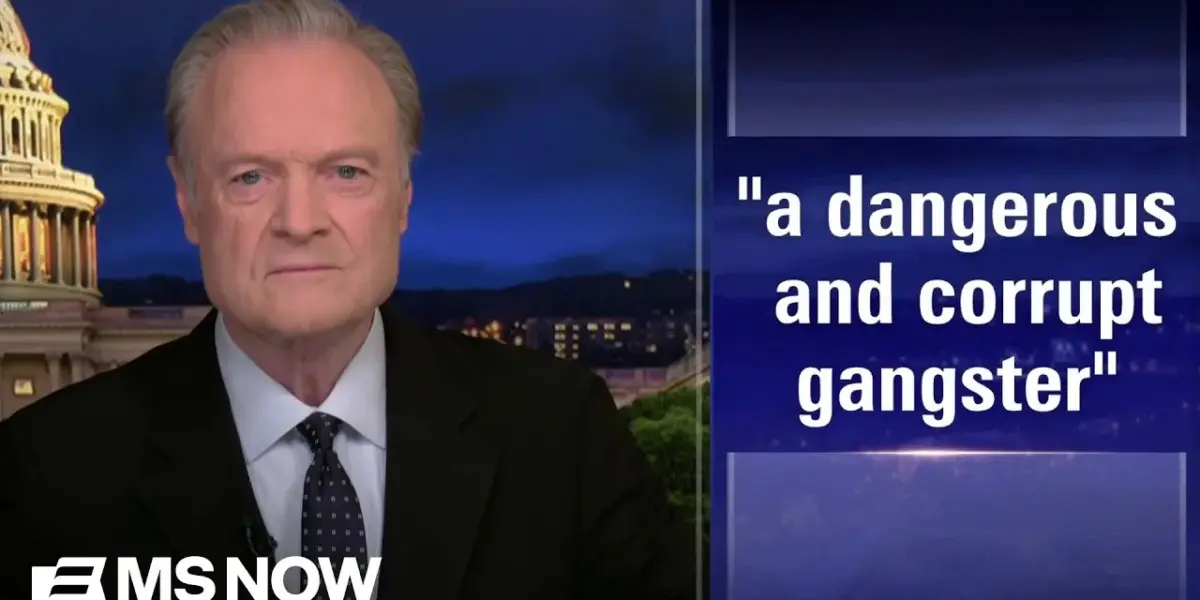
A British Member of Parliament has called U.S. President Donald Trump a "dangerous and corrupt gangster" during a heated debate on Iran policy. The strong language echoed historical condemnations and highlighted international concerns over Trump's foreign policy decisions. Meanwhile, Canada's unified resistance to Trump's trade tactics is presented as a model for opposition.

UK Parliamentarian Condemns Trump Over Iran Stance
A prominent member of the British Parliament has delivered a scathing indictment of U.S. President Donald Trump, labeling him a “dangerous and corrupt gangster.” The strong words, spoken on the floor of the House of Commons, mark a significant moment in international relations, drawing parallels to historical condemnations of dictators.
Edward Davey, a Member of Parliament, used the harsh language to describe Trump’s approach to foreign policy, particularly his stance on Iran and the potential for conflict in the Strait of Hormuz. Davey argued that Trump’s actions are reckless and outside the bounds of international law, directly challenging the notion of the U.S. president as the “leader of the free world.” He emphasized that Trump is not a friend to the United Kingdom and must be treated as a significant risk.
Canada’s Resistance Offers Model, Lawmaker Argues
The condemnation of Trump in the British Parliament comes amid growing international criticism and a rising tide of resistance. The speaker highlighted Canada’s unified opposition to Trump’s policies as an example for other nations, including the United States.
Canadian Prime Minister Mark Carney, a former banker who had never held elected office before, successfully rallied his Liberal Party against Trump’s aggressive trade tactics. Canadians responded with acts of solidarity, choosing Canadian products over American ones and opting for domestic vacation spots instead of U.S. destinations. This collective action, the speaker noted, helped solidify the Liberal Party’s control of the government and demonstrated a powerful, unified stance against what is termed “Trumpism.”
The speaker suggested that these small, individual acts of support, repeated millions of times, are what can defeat “Trumpism” in future elections. The international reaction, he argued, shows that resistance to Trump is not only possible but can lead to victory.
Echoes of History: Comparing Trump to Dictators
The language used to describe Donald Trump in the British House of Commons has drawn comparisons to historical condemnations of figures like Adolf Hitler. The speaker recalled Winston Churchill’s descriptions of Hitler as a “monster of wickedness” and noted that the recent characterization of Trump as a “dangerous and corrupt gangster” carries similar historical weight.
Historically, U.S. presidents have been lauded in the British Parliament, with figures like Franklin D. Roosevelt being treated as heroes during World War II. The fact that such strong criticism of a sitting U.S. president was voiced and met with no opposition suggests a significant shift in the relationship between the U.S. and its traditional allies.
The phrase “leader of the free world,” once commonly applied to the U.S. president, has, according to the speaker, largely disappeared from media usage. This decline in its application reflects a growing global perception that the U.S. president may no longer embody that role, especially under Trump’s leadership.
Concerns Over Iran Standoff and Economic Impact
Edward Davey’s strong remarks were specifically tied to President Trump’s “latest fit of madness” regarding Iran and the potential blockade of the Strait of Hormuz. Davey warned that such actions would escalate the crisis and endanger a fragile ceasefire.
He welcomed the UK’s decision not to join the U.S. in this potential military action and praised Prime Minister Carney’s initiative to convene a summit seeking alternatives. The goal is to work with European allies and Commonwealth partners to end the conflict and keep the Strait of Hormuz open. This is seen as critical for stabilizing global energy prices and addressing the worsening cost-of-living crisis.
The situation highlights how the American president’s actions have created a problem that European governments must now help solve. The conflict over Iran has become a struggle for control of a vital global waterway, a struggle where, according to the speaker, Donald Trump is losing.
Broader Implications and Future Outlook
The events in the British Parliament and the unified stance taken by Canada signal a growing international challenge to American foreign policy under President Trump. The speaker suggested that Trump’s influence is waning, pointing to his perceived interference in foreign elections, such as in Hungary, and the strengthening of opposition parties in countries like Canada.
The article implies that Trump’s close past association with Jeffrey Epstein, a convicted sex offender, further complicates his public image and international standing. The speaker concludes that the harsh labels applied to Trump in Parliament are likely to endure, becoming a significant part of his historical legacy. The coming months will reveal whether this international dissent translates into significant shifts in global politics and upcoming U.S. elections.
“He is a dangerous and corrupt gangster, and that is how we must treat him.”
— Edward Davey, Member of Parliament, UK House of Commons
Source: Lawrence: British Parliament Member calls Trump ‘a dangerous and corrupt gangster’ over Iran war (YouTube)

Related Articles


Trump’s Allies Rebel: Conservatives Slam President’s Policies
Prominent conservative figures and lawmakers are openly criticizing President Trump's policies in 2026, signaling a growing divide within the movement. From Candace Owens questioning the Iran conflict to Senator Rand Paul challenging trade policy, a wave of dissent is challenging the president's agenda.

Trump Threatens Fed Chair Powell, Faces Nomination Blockade
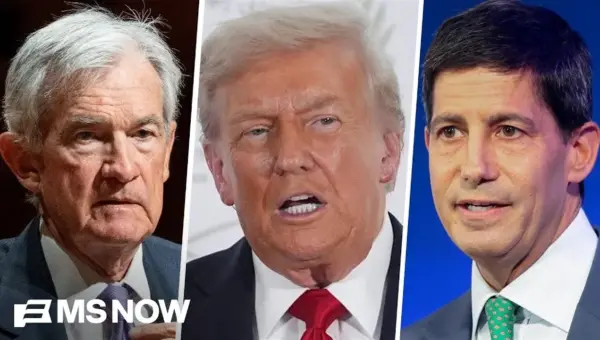
President Trump is threatening to fire Fed Chair Jerome Powell over a renovation probe, creating a political stalemate. Senator Tom Tillis is blocking Trump's nominee, Kevin Warsh, until the investigation concludes. Warsh himself faces scrutiny over his vast personal wealth, estimated between $135-226 million, raising conflict of interest concerns.


Trump’s Grip Weakens as Allies Falter, Democracy’s Future Hinges
Donald Trump's approval ratings are plummeting, even among his core supporters, signaling a potential collapse of the MAGA movement. Global events, like Hungary's shift to democracy, and domestic economic woes are fueling discontent and opening doors for broader political coalitions.