China’s Strait Tensions: US Blocks Tankers, Threatens Tariffs
The U.S. Navy has blocked Chinese oil tankers in the Strait of Hormuz, aiming to pressure Iran. President Trump also warned China of massive tariffs if it sends weapons to Iran, highlighting economic and military challenges for Beijing.

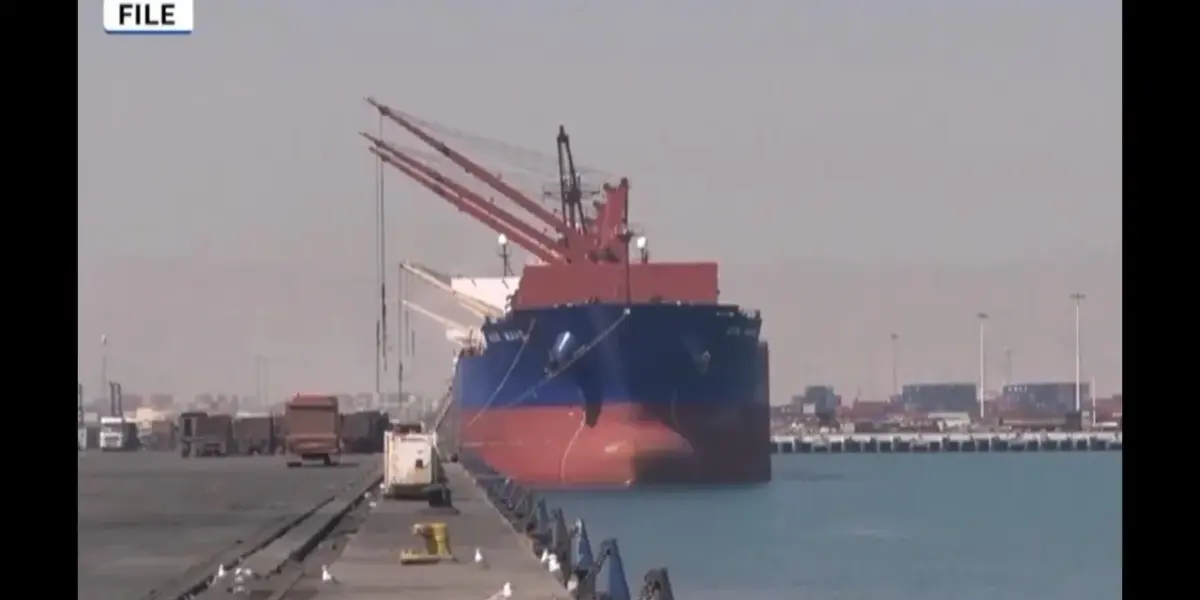
US Blocks Chinese Tankers, Escalating Tensions with Iran and China
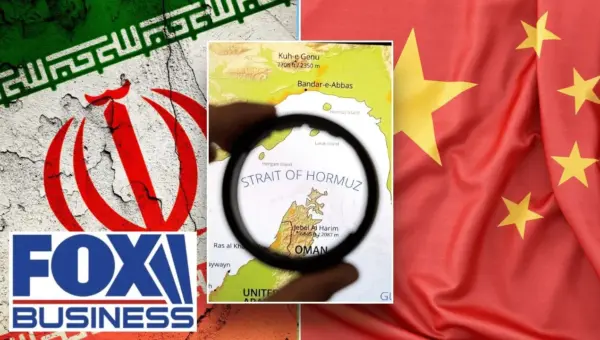
The United States is taking a firm stance in the Strait of Hormuz, a crucial waterway for global oil trade. Recently, the U.S. Navy turned away at least two Chinese oil tankers attempting to pass through. This action is part of a larger effort to pressure Iran by cutting off its oil exports. The U.S. is specifically targeting ships associated with countries that continue to buy Iranian oil.
These Chinese tankers were not flying their own country’s flag. Instead, they were using false flags from landlocked African nations, Malawi and Botswana. This suggests a deliberate attempt to hide their identity and origin. The U.S. Navy is reportedly blocking ships from countries that receive oil from Iran. China, being the largest buyer of Iranian oil, faces significant consequences from these actions. The Strait of Hormuz handles about half of China’s oil supply, meaning this blockade directly impacts a large portion of their energy needs.
Trump’s Warning to Beijing
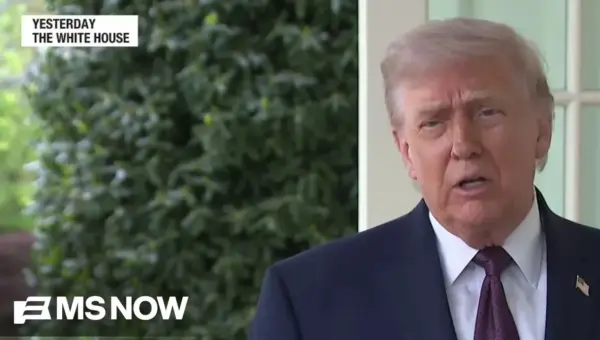
Adding to the pressure, President Trump has issued a stern warning to China. He stated that Beijing could face a massive 50% tariff if caught supplying weapons to Iran. Reports suggest intelligence indicates China might be preparing to send weapons, including shoulder-fired anti-aircraft missiles, to Iran. While President Trump expressed some doubt about China’s willingness to do this, given their relationship with the U.S., he made it clear that such actions would result in severe economic penalties.
The transcript notes that China has previously sent technology to Iran that is used in weapon systems. However, the effectiveness of these systems seems to be lacking. Iran’s air defense capabilities, reportedly supplied by China, failed to intercept any American or Israeli aircraft. This failure is seen as a blow to China’s military technology reputation, making it appear less advanced than that of the United States and other global powers.
Economic and Military Pressure Mounts
The situation is creating significant pressure on China’s Communist Party. Economically, the blockade of the Strait of Hormuz affects their oil supply and potentially their trade relationships. Militarily, the perceived weakness of their supplied weapons technology could impact their standing on the world stage. This combination of economic and military challenges appears to be giving President Trump leverage as he prepares for face-to-face talks with Chinese leader Xi Jinping.
Why This Matters
This confrontation highlights the complex geopolitical dynamics at play. The U.S. is using its naval power to enforce sanctions against Iran, aiming to curb its influence in the region. By targeting Chinese tankers, the U.S. is directly challenging China’s economic interests and its role as a major oil importer. The threat of steep tariffs adds a significant economic dimension, potentially impacting global trade relations.
Historical Context
The Strait of Hormuz has long been a vital chokepoint for oil transportation. Control over this waterway has been a source of regional tension for decades. The current U.S. strategy of maximum pressure on Iran, including sanctions and naval patrols, aims to prevent Iran from developing nuclear weapons and supporting militant groups. China, as a major global economic power, has a vested interest in maintaining stable energy supplies and international trade routes.
Implications and Future Outlook
The actions taken by the U.S. could lead to increased friction between Washington and Beijing. China’s response will be closely watched, as will the outcome of the upcoming talks between President Trump and Xi Jinping. The effectiveness of the U.S. blockade in pressuring Iran remains to be seen. However, it is clear that the current strategy is creating significant diplomatic and economic challenges for China. This situation could influence future trade negotiations and international alliances, as countries assess the risks and benefits of their relationships with both the U.S. and China.
Furthermore, the perceived failure of Chinese military technology could push China to invest more in its own defense innovation. It also raises questions about the reliability of Chinese arms exports. The ongoing tensions in the Strait of Hormuz underscore the delicate balance of power in the Middle East and its ripple effects on global economics and politics.
Source: US Blocks 2 Chinese Tankers at Hormuz Strait (YouTube)

Related Articles
US Blockades Iranian Ports Amid Tensions, Risks Global Fallout
The U.S. military has begun blockading Iranian ports in an effort to pressure Tehran into a deal, risking higher global energy prices and wider conflict. Despite President Trump's warnings and Iran's retaliatory threats, diplomatic talks are reportedly being considered, with potential in-person negotiations on the horizon.

Iran Blockade Shifts Global Oil Flow to U.S.
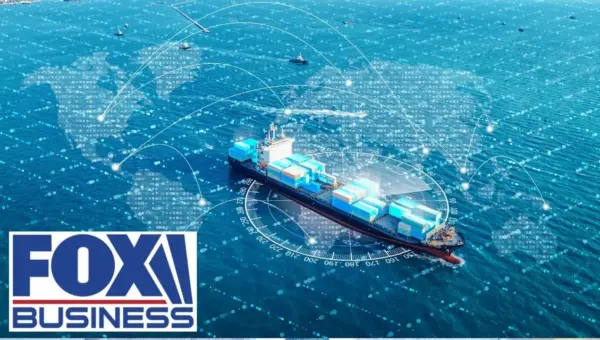
A blockade in the Strait of Hormuz has triggered a major shift in global oil supply routes, with supertankers now heading to the U.S. Gulf Coast. Despite geopolitical tensions, markets remain resilient, and corporate profits are projected to rise.
US Oil Sanctions Squeeze Iran, Force China’s Hand
New U.S. oil sanctions on Iran are designed to cripple its economy and halt its nuclear ambitions. The move also puts significant pressure on China, a major oil importer, impacting global energy markets and potentially reshaping supply chains.