El-Sayed Blasts Trump’s Iran War: “How the Hell Did We Get Here?”
Progressive Senate candidate Abdul El-Sayed is challenging the status quo in Michigan with sharp critiques of U.S. foreign policy and the healthcare system. He questions the rationale behind the Iran conflict and advocates for Medicare for All, aiming to engage voters often left out of traditional politics.

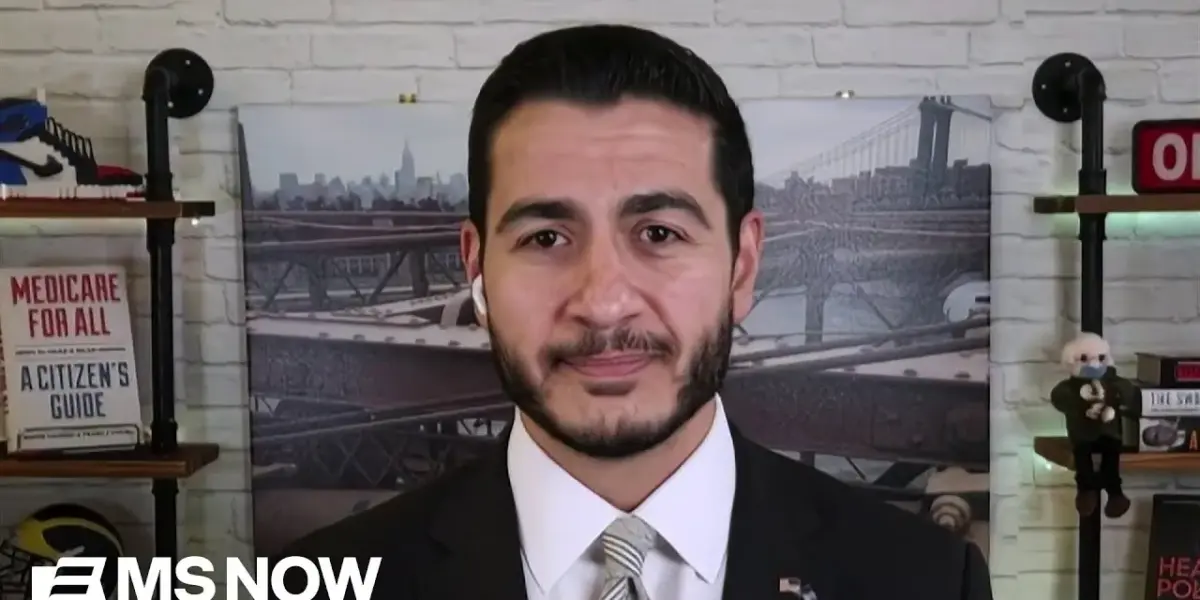
Progressive Senate Candidate Abdul El-Sayed Questions U.S. Foreign Policy, Healthcare System
DETROIT, MI – Progressive candidate Abdul El-Sayed, a physician and former Detroit health director, is challenging the status quo in Michigan’s closely watched Senate race. El-Sayed, who has secured endorsements from prominent figures like Bernie Sanders and Alexandria Ocasio-Cortez, is making waves with his sharp critiques of the Trump administration’s foreign policy and the nation’s healthcare system. A recent Emerson College poll shows El-Sayed in a tight race with fellow candidate Mallory McMorrow, with both polling at 24% among likely primary voters, though a significant portion remain undecided.
Anger Over Iran Conflict Fuels Campaign Message
El-Sayed, speaking at a Democratic Women’s Caucus luncheon in Detroit, expressed deep frustration with the recent conflict involving Iran and its impact on Americans. “How the hell did we get here?” he asked, questioning the rationale and outcomes of U.S. involvement.
He pointed to the rising gas prices and the use of taxpayer dollars to fund military actions, drawing a stark contrast with unmet domestic needs. El-Sayed believes the conflict served specific political interests, suggesting that Israeli Prime Minister Benjamin Netanyahu found a U.S. president willing to pursue his long-held goals.
“Why did we even fight this war? It’s hard to make any sense out of any American lack of war aims because it changed every day.”
The sentiment is shared by many in Michigan, particularly in Dearborn, home to a large Lebanese-American community. Residents express fear and sadness for loved ones abroad, questioning the reliability of cease-fire deals.
Many feel a deep sense of betrayal, noting past cease-fires that were not honored and the ongoing destruction of homes and communities. This uncertainty about peace and the tangible costs of war, like increased gas prices, are central themes in El-Sayed’s campaign.
Connecting Foreign Policy to Domestic Needs
El-Sayed argues that the public’s understanding of how tax dollars are spent has shifted dramatically. He highlighted the disconnect between demands for fiscal responsibility in domestic programs and the unquestioned funding of military interventions. “Everybody says, doctor, how are you going to pay for that?” El-Sayed stated, referring to proposals for healthcare and education.
“But then we’ve got a general who wants to draw up war plans to bomb Iran. Nobody asks, general, how are you going to pay for that?” This, he believes, is a fundamental flaw in American politics that many citizens are now recognizing.
He feels that for many Americans, especially those under 40 who have lived through decades of continuous U.S. military engagement, the question of “to what end?” is becoming increasingly urgent. The visible costs—broken service members, wasted tax dollars, and neglected domestic priorities—are leading more people to question the purpose and value of these wars. They want their taxes to fund better schools, functional infrastructure, and accessible healthcare, not foreign conflicts.
Debate Over Controversial Associations and “Cancel Culture”
El-Sayed also addressed criticism regarding his campaign’s engagement with controversial figures, such as podcaster Hasan Piker, who has faced accusations of anti-Semitic and racist remarks. El-Sayed defends these associations as a strategic effort to engage voters who feel excluded from traditional politics. He drew a parallel to the Democratic National Committee’s past invitation to Piker and his own willingness to appear on platforms like Fox & Friends, emphasizing the need to reach diverse audiences.
“We have to figure out how to provide them an on-ramp back into our politics,” El-Sayed explained. He believes that rejecting certain individuals or groups outright fuels a divisive “cancel culture” that harms the Democratic party’s ability to connect with a broader electorate. Instead, he advocates for open dialogue and the courage to engage in different spaces, arguing that common ground can be found on issues like campaign finance reform, economic relief, and universal healthcare.
Medicare for All: A Viable Solution for Michigan?
A cornerstone of El-Sayed’s platform is his strong support for Medicare for All, a policy he co-authored a book about. Despite Michigan’s status as a competitive “purple” state, El-Sayed insists the policy is viable and resonates with voters across the political spectrum. He shared an anecdote about a man who, despite not liking him personally, decided to vote for him because of his commitment to ensuring everyone has healthcare.
El-Sayed believes that framing political issues solely through a left-right lens does a disservice to the complexity of people’s views. He points to the devastating impact of the current healthcare system, with its high deductibles and billions in medical debt, as a clear reason for change.
He contrasts this with the nation’s spending on unnecessary wars, arguing that resources could be redirected to guarantee healthcare for all citizens. His ultimate goal is to ensure every American has access to healthcare, which he sees as a moral imperative.
El-Sayed’s campaign continues to travel across Michigan, engaging with voters on issues ranging from foreign policy to healthcare. His willingness to tackle complex topics and engage with diverse audiences marks a distinctive approach to the upcoming Senate race.
Source: Progressive Senate candidate rips Trump’s war with Iran: “How the hell did we get here?” (YouTube)

Related Articles

US Policy in Iran Falters: Experts Doubt Administration’s Strategy
US policy towards Iran faces criticism for lacking a clear strategy. Experts point to past failures where removing leaders led to worse outcomes. The current administration's apparent absence of a transition plan raises serious concerns about potential instability.


US Naval Blockade Tightens Grip on Iran Amid Ceasefire Hopes
The White House has implemented a strict naval blockade against Iran following failed peace talks. Concurrently, President Trump announced a ceasefire between Israel and Lebanon, while also championing domestic energy projects and economic policies.


US Actions Spark Global Despair, Undermining World Order
US foreign policy is causing global suffering and undermining international stability, according to a critical analysis. The article argues that Americans are detached from the real-world consequences of their government's actions, which include economic devastation and potential famine for millions worldwide. This approach is eroding global trust and questioning the future of the 'American experiment'.