AfD Unveils Radical Plan for Germany’s Future
Germany's far-right AfD party is proposing a radical policy shift, including an end to compulsory schooling and increased deportations. The party aims to lead a government for the first time and is currently leading in polls for the upcoming September elections in Saxony. Church leaders have voiced concerns over the party's rhetoric on "remigration."

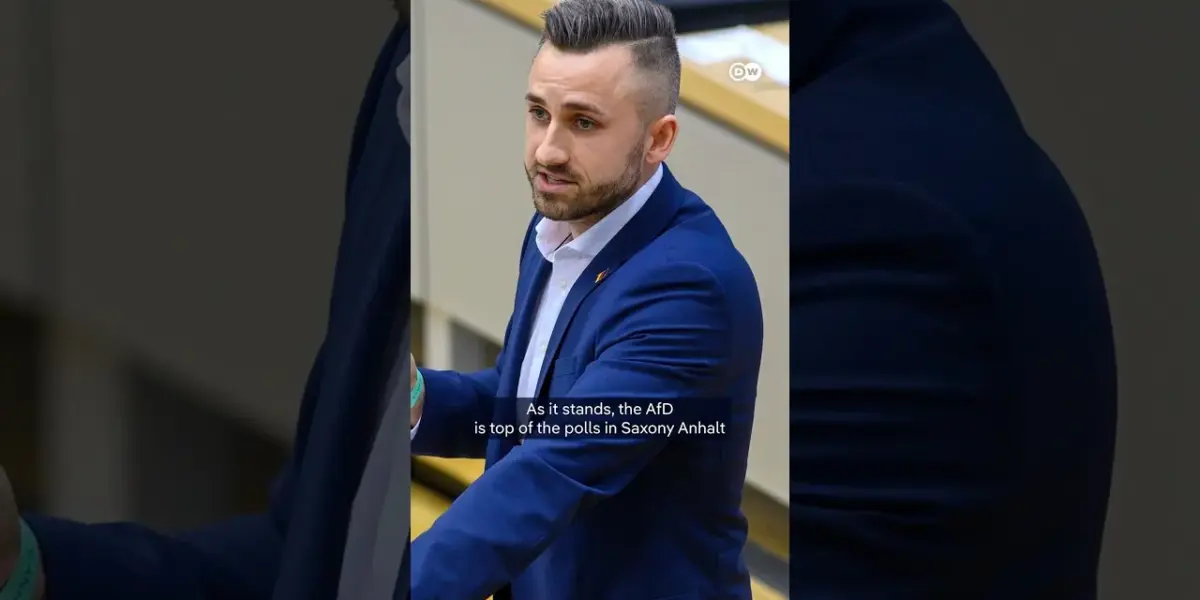
AfD Presents Bold Agenda for German Governance
Germany’s far-right Alternative for Germany (AfD) party is set to unveil a new policy program that could enable its first-ever leadership of a government in the country. The proposed platform includes significant shifts in education, immigration, and cultural policy, signaling a sharp departure from current national direction. This announcement comes as the AfD gains significant traction, particularly in eastern German states.
Key Policy Proposals Revealed
The AfD’s proposed program outlines several key initiatives that have drawn considerable attention and debate. Among the most prominent are plans to end compulsory schooling, a measure that would fundamentally alter the German education system. The party also aims to establish a new border task force, specifically designed to increase deportations of individuals deemed to be in the country illegally.
The AfD is advocating for a cultural policy centered on patriotism. This would involve redirecting funding away from projects that the party considers insufficiently aligned with its nationalistic vision. The party’s rhetoric suggests a strong focus on what it terms “Deutschdenken” (German thinking) and “Deutschkultur” (German culture), while opposing what it labels “woke politics” and “anti-German” art and culture.
Church Leaders Express Concerns Over ‘Remigration’
The party’s emphasis on “remigration” has sparked concern among religious leaders. Some church officials have voiced their commitment to supporting those who feel fearful about the implications of such policies. They highlighted that the term “remigration” is causing anxiety, alongside other phrases like “perverse leftist agitation” and “anti-German art and culture.”
As a church, we are committed to those who feel fear, those who are afraid of what is simply called remigration, those who are afraid of terms like perverse leftist agitation, German thinking, anti-German art and culture. And we as a church, we are, after all, committed to those who have fear and sorrow, the oppressed of this world.
These statements underscore a growing divide between the AfD’s platform and the values espoused by some established institutions. The church’s role in addressing societal anxieties related to these policy proposals is becoming a point of discussion.
AfD Eyes Electoral Success in Saxony
The AfD is currently leading in polls in the state of Saxony and is aiming for an outright majority in the upcoming September elections. Security services in the state have been monitoring the party’s activities, indicating the significant political influence it is beginning to wield. The party’s message resonates with voters seeking a change from established political norms.
“Away from all this woke politics against our own country, against our own people, towards good politics for a better future of our beautiful, proud Germany,” declared a party representative, outlining their vision. This sentiment suggests a desire to reconnect with a perceived national identity and future prosperity. The party believes it is building a new future from this region, and welcomes the attention it is receiving.
Internal Party Dynamics and Future Outlook
While the AfD presents a united front with its new program, internal discussions within the party have sometimes revealed divisions. Some reports suggest that elements within the party are pushing for even more radical stances. The phrase “within party radical” was used, hinting at ongoing debates about the party’s ideological direction and the extent of its proposed changes.
The upcoming elections in Saxony will serve as a crucial test for the AfD’s electoral strength and its ability to translate popular support into governing power. The party’s ambitious agenda faces scrutiny from political opponents, civil society groups, and international observers. The outcome of these elections could have significant implications for Germany’s political future and its role in Europe.
What to Watch Next
All eyes will be on Saxony as the September elections approach, determining whether the AfD can achieve its goal of an outright majority. The party’s ability to implement its proposed policies, should it gain power, will be closely watched by both domestic and international audiences. Further policy details and campaign developments will shape the ongoing debate surrounding the AfD’s vision for Germany.
Source: The far-right AfD's 'radical' vision for Germany? | DW News (YouTube)

Related Articles

New Accuser Surfaces as Swalwell Resigns Amid Assault Claims
Former Congressman Eric Swalwell resigned from his seat following new allegations from a woman who claims he drugged, choked, and raped her in 2018. His attorneys have denied all claims, calling them false and fabricated. Swalwell had previously suspended his campaign for California Governor amid multiple accusations.
Politicians Swear More: Democrats Lead ‘F-Bomb’ Trend
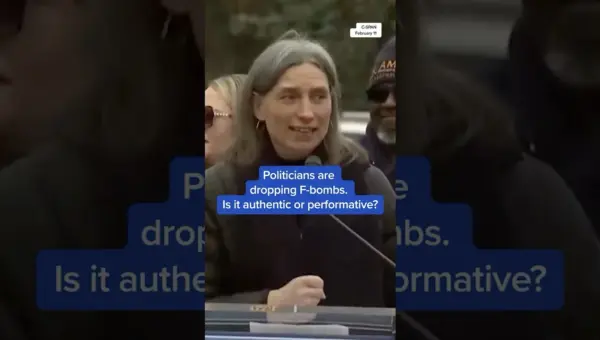
A new analysis reveals politicians are swearing more than ever, with Democrats using curse words more frequently than Republicans. This trend sparks debate over whether the profanity reflects genuine emotion or is a calculated performance to connect with voters.


Ethics Probe Launched Against Rep. Swalwell Over Misconduct Claims
The House Ethics Committee has launched an investigation into Rep. Eric Swalwell (D-CA) following sexual misconduct allegations. A former staff member is at the center of the claims, which Swalwell vehemently denies. The committee will now examine the evidence and testimonies related to these serious accusations.