Iran Uprising Demands More Than Airstrikes For Regime Change
Iranian dissident Ali Alafi argues that airstrikes alone are insufficient for regime change in Iran, calling instead for a nationwide organized resistance. The NCRI has proposed a provisional government and future democratic elections following the reported death of Supreme Leader Khamenei.

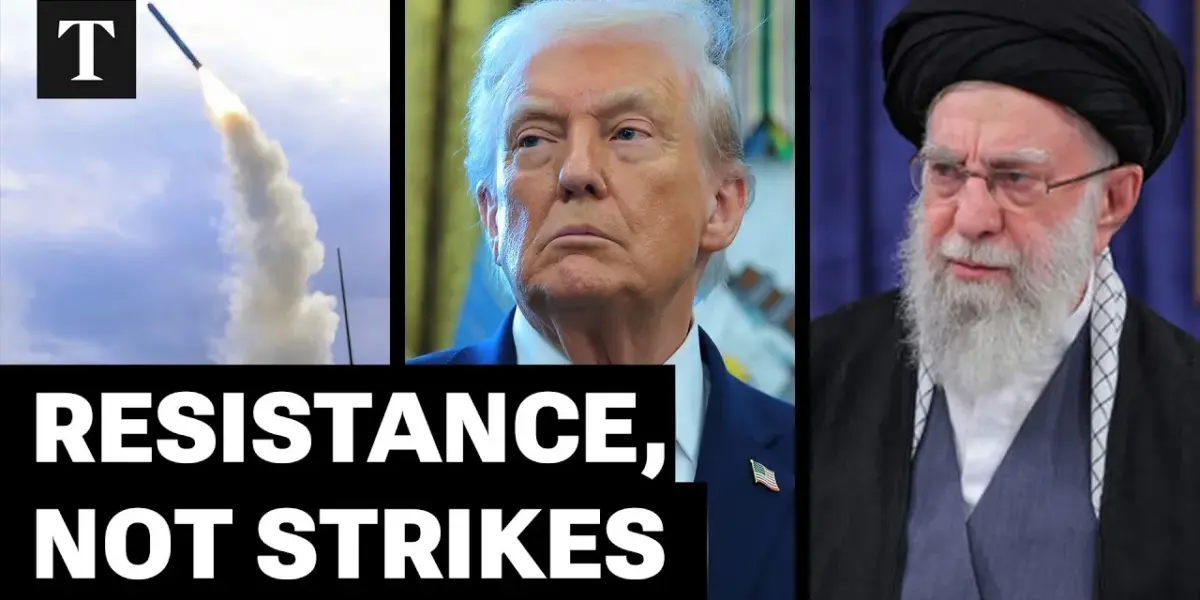
Iran Uprising Calls for Organized Resistance Amidst Military Strikes
In the wake of significant military actions targeting Iran’s leadership, a prominent Iranian dissident has asserted that airstrikes alone are insufficient to achieve regime change. Aliafi, a member of Iran’s Parliament in exile and affiliated with the National Council of Resistance of Iran (NCRI), emphasized the critical need for a “nationwide organized resistance” to effectively challenge the Islamic Revolutionary Guard Corps (IRGC) and bring about a democratic future for the Iranian people. Speaking from Paris, Alafi articulated a clear stance against both war and continued engagement with the current Iranian regime, advocating for the international community to recognize the Iranian people’s right to self-determination and to utilize all available means to confront the IRGC.
NCRI Proposes Provisional Government Post-Regime Overthrow
Following the reported killing of Iran’s Supreme Leader Ayatollah Ali Khamenei, a pivotal development in the ongoing geopolitical tensions, the NCRI has outlined a clear path forward. Alafi highlighted that the death of Khamenei, as stated by Mrs. Maryam Rajavi, the president-elect of the NCRI, signals the end of “religious fascism in Iran” and the “absolute rule of the cleric.” In line with the NCRI’s established 10-point plan, the organization announced the formation of a provisional government. This transitional body would aim to establish freedom and sovereignty, culminating in free and fair elections within six months of the regime’s overthrow. These elections would select a national constituent assembly tasked with drafting a new constitution for a democratic republic.
“We have always said that the solution to the Iranian crisis is neither war nor of course continuing engagement and appeasement and that the right of the Iranian people to overthrow this regime and the right to use every means at the disposal to confront the IRGC must be recognized by the world community.”
Aliafi, NCRI
Organized Resistance Active Within Iran
Alafi detailed the ongoing activities of resistance units affiliated with the Mojahedin-e Khalq (MEK) within Iran. These groups, described as “rebellious youth,” have reportedly attacked several IRGC garrisons and the “office to carry out the orders of the Imam,” a key institution linked to the regime. Alafi cited a recent daring assault by 250 MEK fighters on a compound, where, despite casualties and arrests, a significant portion withdrew to their bases, demonstrating the presence of a “potent organized structured resistance” operating within the country. This internal resistance, Alafi argued, is crucial for any successful transition, as aerial strikes alone are deemed insufficient.
Public Resolve Amidst Repression
Despite the challenging circumstances of aerial bombardment, Alafi believes the Iranian populace is ready and determined for change. He noted that the elimination of Khamenei was welcomed by many Iranians, who have endured severe repression, including the 1988 massacre of political prisoners and the killings of tens of thousands during nationwide uprisings since 2017. Reports suggest that a significant portion of those killed in the recent January uprising had been targeted by the IRGC. Alafi observed that instead of widespread grief, the loss of loved ones has fueled “rage and resolve” among the population. Funeral processions have frequently transformed into anti-government protests, with chants demanding the overthrow of the regime, indicating that the repression has only strengthened the resolve for change.
Skepticism Towards Negotiations with the Regime
Addressing the prospect of talks with Iran, even amidst military pressure, Alafi expressed skepticism based on historical precedent. He pointed to past negotiation attempts regarding Iran’s nuclear program, missile development, and regional proxy activities, which have consistently failed to yield substantive results. Agreements like the Joint Comprehensive Plan of Action (JCPOA) did not halt uranium enrichment, and recent discussions, including those involving the Biden administration, have also proven fruitless. Alafi attributed this lack of progress to the regime’s view of its nuclear program as a “life insurance policy.” He stressed that judgments should be based on facts rather than hope, suggesting that the regime’s actions, rather than promises, should guide international policy.
Looking Ahead: The Path to Democracy
The unfolding situation in Iran presents a complex challenge, with military actions and internal resistance converging. The NCRI’s proposed framework for a provisional government and subsequent democratic elections offers a vision for a post-regime Iran. However, the effectiveness of this plan hinges on the sustained and organized mobilization of the Iranian people and the continued recognition of their right to self-determination by the international community. The coming weeks and months will be critical in determining whether the current pressures translate into a viable path toward a democratic republic, free from both clerical tyranny and past dictatorships.
Source: Strikes In Iran Are Not Enough For Regime Change | Iranian Dissident (YouTube)

Related Articles
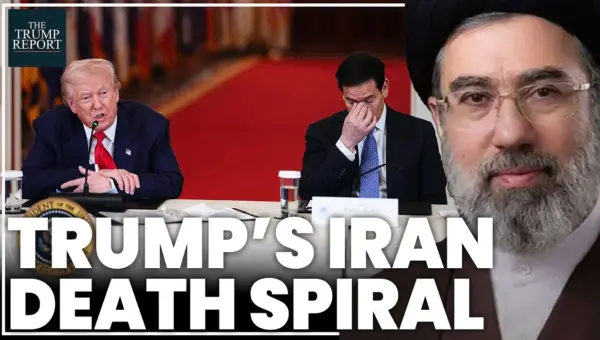
Iran’s Regime Thrives on Chaos, Not Peace
Iran's government thrives on chaos, using conflict for survival. Experts describe the regime as a 'cacistocracy,' run by the incompetent. Despite internal dissent and international pressure, the regime's survival is bolstered by external support from minority Shia groups and a strategy of ruthless suppression.

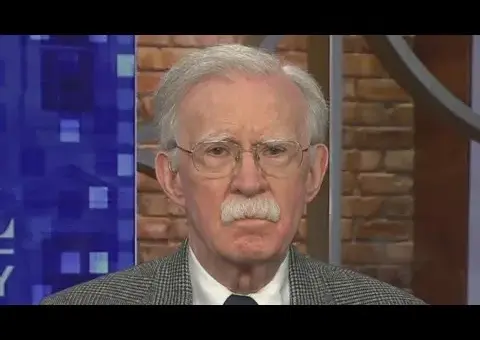
US Tightens Grip, Eyes Regime Change in Iran
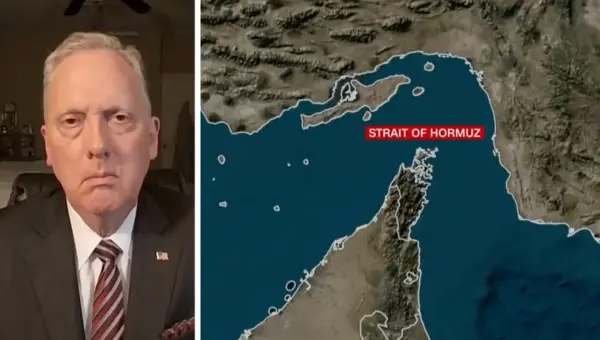
John Bolton argues that the recent ceasefire with Iran was a mistake and advocates for a renewed military strategy. His proposal includes reopening the Strait of Hormuz and maintaining a blockade on Iranian oil to pressure the regime, with the ultimate goal of regime change.

Iran Talks: US Eyes Regime Change or Military Might
The U.S. is considering two main strategies for dealing with Iran: supporting regime change or building an international force to secure the Strait of Hormuz. These options come amid complex negotiations and concerns over Iran's nuclear program and regional influence.