Wartime Presidents Must Earn Public Trust, Historian Argues
Presidential historian Jon Meacham argues that successful wartime leaders must "make the case" to the American public, explaining the necessity and cost of conflict. Drawing on historical examples from FDR to George H.W. Bush, Meacham emphasizes transparency and clear objectives as crucial for building public trust and support, contrasting this with approaches that can lead to regret.

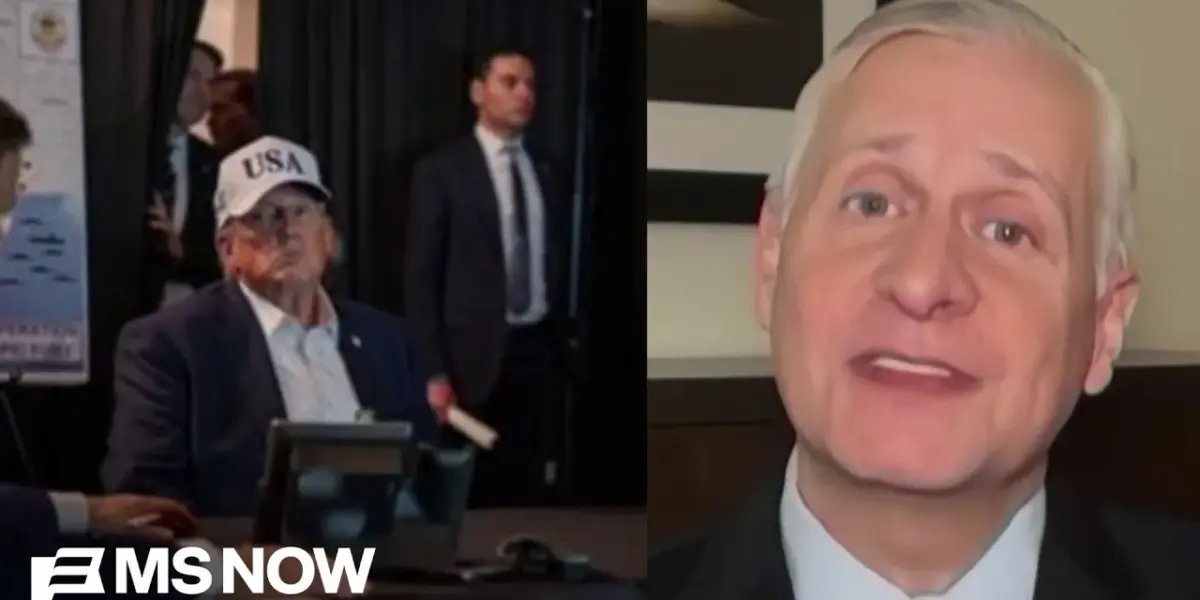
Historian Jon Meacham: Successful Wartime Leaders “Make the Case” to the Public
In an era marked by shifting global dynamics and presidential assertions of power, the nature of American wartime leadership is under renewed scrutiny. Presidential historian Jon Meacham, speaking on a recent broadcast, emphasized a critical historical lesson: successful war presidents are those who effectively “make the case” to the American people, explaining the necessity and cost of military action. This contrasts sharply with approaches that bypass public discourse, a strategy history suggests leaders often come to regret.
The Imperial Presidency and the Evolution of Presidential Power
Meacham, referencing Arthur Schlesinger Jr.’s concept of the “imperial presidency,” noted that while initially a critique, the term now accurately describes the significant leeway presidents possess in projecting military force. This evolution, particularly since World War II, has seen presidents often acting with less explicit congressional or international approval, a departure from earlier eras. The historian pointed to the presidency of George H.W. Bush as an example of a leader who, despite contemplating unilateral action, sought and secured broad support for the Gulf War in 1991. Bush famously prepared for impeachment, demonstrating his conviction in the mission’s righteousness, yet he still pursued resolutions in Congress and at the United Nations, seeking legitimacy and public backing.
“Successful war presidents, which is what they all want to be, are in fact the ones who make the case. Who explain why we are spending blood and treasure. Those who try to do it unilaterally, though they can, tend to regret it.”
– Jon Meacham
Lessons from History: FDR, Churchill, and the Power of Truth
The necessity of transparent communication during wartime is a recurring theme in Meacham’s analysis. He invoked Franklin D. Roosevelt’s February 1942 address, where the president candidly warned the American people that news would likely worsen before improving. FDR’s commitment to “give it to us straight from the shoulder” fostered public trust and resilience. Similarly, Winston Churchill’s leadership during the Battle of Britain, characterized by unvarnished truth-telling about the grim realities ahead, bolstered the British populace’s resolve. Meacham contrasted these examples with the struggles of leaders like President Lyndon B. Johnson, whose administration’s less transparent approach to the Vietnam War ultimately eroded public support.
The Gulf War Model: Limited Aims and Public Persuasion
Richard Haass, another participant in the discussion, drew parallels between the current situation and the lead-up to the first Gulf War. He highlighted President George H.W. Bush’s strategy of repeatedly engaging the American people and Congress, coupled with the articulation of limited, achievable war aims. This approach, Haass suggested, was crucial in building consensus and support. In contrast, current administrations may articulate broader, less militarily definable objectives, such as “regime change,” which can prove elusive and difficult to justify to the public and the troops.
Clarity for Troops and the Public: The “Why” Matters
Retired Army Lieutenant General Mark Hertling underscored the critical need for clarity, particularly for soldiers on the ground. Beyond tactical directives, troops need to understand the “why” behind their deployment and the potential sacrifices required. Hertling echoed Meacham’s point, stating that a lack of clear mission objectives and rationale can lead to confusion and erode morale. He noted that in democratic nations, citizens are asked to potentially suffer consequences and sacrifice, making the justification for such actions paramount. The general also touched upon the challenges posed by a potential distrust of the press and allies within some administrations, which can lead to information being closely held and an ad hoc communication strategy, leaving the public and even the troops in the dark about long-range plans.
Wars of Necessity vs. Wars of Choice
The discussion also delved into the distinction between “wars of necessity” and “wars of choice.” Haass posited that the Gulf War, while requiring significant military action, could be viewed as a response to an invasion, a necessity. However, conflicts like the 2003 Iraq War or potentially current engagements might be better characterized as “wars of choice,” where vital national interests are less clear and alternative policies like negotiations or economic sanctions might have been pursued. This distinction, he argued, significantly impacts the public’s willingness to support prolonged military engagement and sacrifice.
Looking Ahead: The Imperative of Public Trust
As the United States navigates complex international challenges, the historical lessons articulated by Jon Meacham and echoed by other experts remain highly relevant. The ability of a president to clearly articulate a compelling case for military action, to be transparent about the costs and objectives, and to foster broad public and international support, appears to be a defining characteristic of successful wartime leadership. The coming months will likely reveal whether current leadership can effectively bridge the gap between executive action and public understanding, a crucial factor in sustaining national resolve during times of conflict.
Source: Jon Meacham: Successful war presidents are the ones who make the case (YouTube)

Related Articles
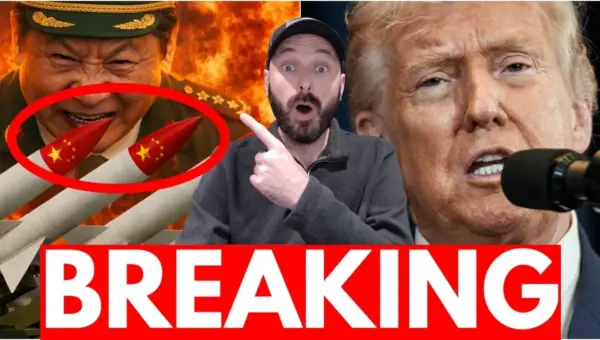
China’s Iran Gambit: Deception or a New World Order?
President Trump claims China will stop sending weapons to Iran, but deep skepticism remains due to China's past support and use of spy satellites to aid Iran. This move could be a strategic ploy to weaken the US military.

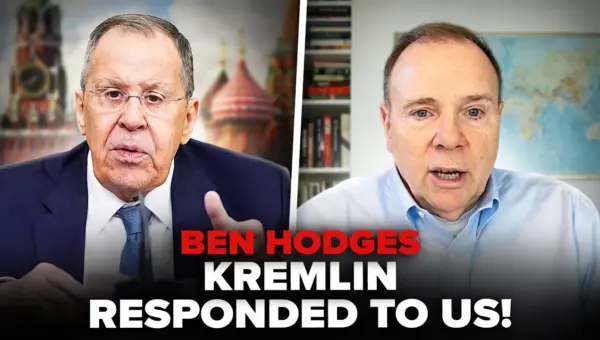
Ukraine Strikes Russia’s Oil Assets
Retired U.S. Army officer General Ben Hodges believes Ukraine's strikes on Russian oil and gas infrastructure are a key to victory. He urges continued attacks to cripple Russia's war funding, while dismissing Russian threats and questioning U.S. policy.

White House Blockade Plan Risks Escalation, Experts Warn
A proposed naval blockade strategy in the White House is drawing criticism for its perceived lack of military backing and potential to escalate tensions. Concerns are being raised about the quality of advice being given to the President.