Iran Conflict Sparks Global Oil Supply Fears
Escalating tensions between Iran and Israel are raising serious concerns about potential disruptions to global oil supplies. The conflict's impact on critical shipping lanes and the Strait of Hormuz could lead to significant price volatility. Analysts are closely watching diplomatic efforts and military actions for signs of further market impact.

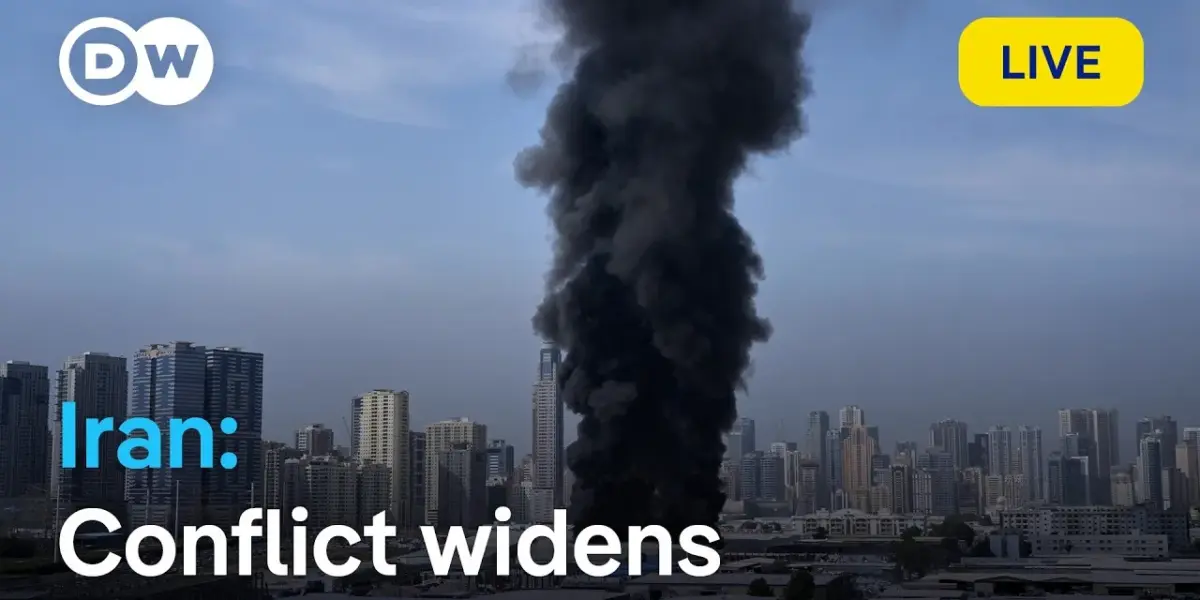
Middle East Tensions Escalate, Threatening Global Oil Markets
The escalating conflict between Iran and Israel has triggered significant international concern over potential disruptions to global oil supplies. In a livestream update, DW News addressed the volatile situation, emphasizing the far-reaching implications of heightened tensions in the Middle East, a region critical to the world’s energy security. The livestream, which took place on [Date of Livestream – assumed from context], brought together analysts and journalists to dissect the unfolding events and their potential economic fallout.
Iran’s Role in Global Energy
Iran, a major oil-producing nation, holds a significant position in the global energy landscape. Its strategic location in the Persian Gulf, a vital chokepoint for oil tanker traffic, means that any instability in the region can have an immediate and profound impact on international markets.
The country’s oil production and export capabilities are closely watched by global powers and financial markets alike. Analysts have long warned that a direct conflict involving Iran could lead to supply shortages, price spikes, and increased volatility in crude oil prices, affecting economies worldwide.
The Israel-Iran Standoff: A Wider Context
The current standoff between Iran and Israel is not an isolated incident but rather a complex escalation within a broader regional geopolitical struggle. The livestream likely delved into the historical context of this rivalry, including proxy conflicts, nuclear program disputes, and broader ideological differences.
Understanding these underlying factors is crucial to grasping the potential trajectory of the conflict and its impact on energy infrastructure. The involvement of other regional actors and international powers further complicates the situation, raising the stakes for global stability.
Potential for Oil Supply Disruptions
The primary concern stemming from the Iran-Israel conflict is the potential for direct attacks on oil facilities, shipping lanes, or other critical energy infrastructure. The Strait of Hormuz, through which a significant portion of the world’s oil passes, is particularly vulnerable. Any closure or disruption in this vital waterway could cripple global oil trade.
Sanctions imposed on Iran, or any new sanctions resulting from further escalation, could also limit the country’s ability to export oil, thus reducing global supply. This reduction in supply, coupled with potential panic buying and speculative trading, could send oil prices soaring, impacting transportation costs, manufacturing, and consumer spending across the globe.
Expert Analysis and Market Reactions
During the DW News livestream, experts likely provided insights into the immediate and long-term consequences for the oil market. They would have discussed various scenarios, ranging from limited skirmishes with minimal impact to a full-blown regional war with severe consequences.
The market’s reaction, often preemptive, would have been a key point of discussion, with analysts observing fluctuations in oil prices and the stock market as indicators of investor sentiment and perceived risk. The geopolitical risk premium added to oil prices is a direct reflection of the uncertainty and potential for supply disruptions.
Broader Economic and Geopolitical Implications
Beyond the immediate impact on oil prices, the conflict’s escalation carries broader economic and geopolitical implications. For countries heavily reliant on oil imports, rising prices could exacerbate inflation, strain national budgets, and potentially lead to social unrest. For oil-exporting nations, while higher prices might offer short-term revenue gains, the overall instability could deter long-term investment and disrupt trade relationships.
On a geopolitical level, a wider conflict could draw in other major powers, further destabilizing the region and impacting international diplomacy and alliances. The global economy, still recovering from previous shocks, remains particularly vulnerable to such significant disruptions.
What to Watch Next
Moving forward, the international community will be closely monitoring diplomatic efforts to de-escalate the situation. The response from major global powers, particularly the United States, China, and European nations, will be crucial in shaping the conflict’s trajectory and its impact on energy markets. Any further military actions by Iran or Israel, or the imposition of new international sanctions, will be key indicators of potential oil supply disruptions.
Market participants will remain on high alert, with oil prices likely to remain sensitive to any news or developments emanating from the Middle East. The coming days and weeks will be critical in determining whether the current tensions translate into sustained disruptions in global oil supplies.
Source: LIVE: Iran war threatens disruptions in global oil supplies | DW News (YouTube)

Related Articles
Israel Strikes Beirut Building, Killing Top Hamas Official
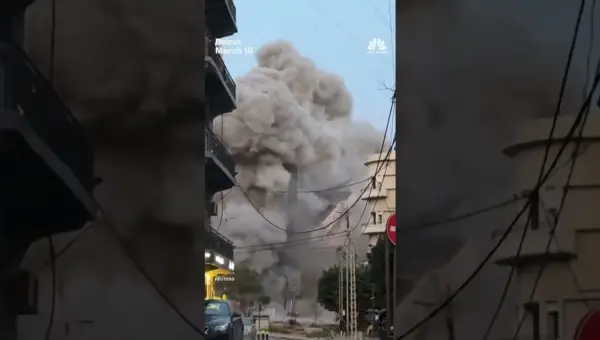
An Israeli airstrike in Beirut killed senior Hamas official Saleh al-Arouri, a key figure in the militant group. The strike, which leveled a building in the Lebanese capital, has raised fears of a wider regional conflict. Hamas has vowed retaliation, and Hezbollah has warned of consequences.


Maddow Questions Silence on Kushner-Saudi Ties Amid Iran Tensions
Rachel Maddow is questioning why the financial ties between Jared Kushner's business and Saudi Arabia are not a bigger scandal. She highlights the potential conflict between Kushner's personal financial interests and U.S. national interests, especially in light of recent actions concerning Iran. The lack of significant public outcry over these connections is what Maddow finds most puzzling.


Israel Strikes Key Iran Leaders, Boosts Regional Security
Israel has eliminated key Iranian militant leaders, including Lar Johnny, a potential successor to the Ayatollah, and Solommani, head of the repressive Beiji militia. The operation, based on extensive intelligence, also killed hundreds of militia members. This significant strike aims to disrupt militant operations and enhance regional security.