Dem Strategist Warns of GOP Rigging Ahead of Midterms
Democratic strategist Simon Rosenberg expresses concern over alleged Republican plans to 'rig the midterms,' highlighting a shift in political tactics. The discussion emphasizes voter empowerment and vigilance to ensure every vote is counted in the upcoming elections.

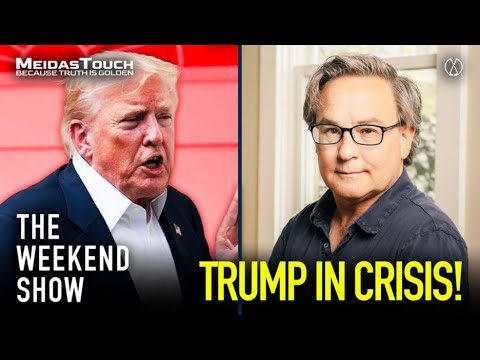
Midterm Elections: A Looming Showdown
As the United States gears up for crucial midterm elections, a sense of urgency and concern is palpable within the Democratic party. Democratic strategist Simon Rosenberg, speaking on The Weekend Show, has voiced significant apprehension regarding the Republican party’s strategies, suggesting a concerted effort to potentially undermine the electoral process. This analysis delves into Rosenberg’s claims, exploring the changing rules of engagement in American politics and the proactive measures voters can take to safeguard their democratic rights.
Shifting Political Landscape and Allegations of Rigging
Rosenberg’s commentary, as presented in the context of The Weekend Show, centers on a perceived shift in how political battles are being fought. The core of his concern appears to be the Republican party’s alleged plans to ‘rig the midterms.’ While the transcript does not detail the specific methods or evidence behind these accusations, the implication is that tactics beyond traditional campaigning are being employed. This raises profound questions about the integrity of the electoral system and the fairness of the upcoming elections.
The concept of ‘rigging’ elections is a serious accusation that, if substantiated, could have devastating consequences for democratic institutions. Historically, concerns about election integrity have ranged from voter suppression tactics to foreign interference and, more recently, the spread of misinformation. Rosenberg’s remarks suggest a belief within some Democratic circles that the Republican party is actively seeking to manipulate outcomes, potentially through legal challenges, procedural changes, or the dissemination of false narratives about election security.
The Changing Rules of Engagement
The strategist emphasizes that the ‘rules of engagement have changed.’ This statement hints at a departure from established norms and a more aggressive, perhaps less transparent, approach to political competition. In contemporary American politics, this could refer to a variety of factors:
- Increased polarization leading to a breakdown of bipartisan cooperation.
- The weaponization of legal and procedural avenues to challenge election results or processes.
- The pervasive influence of social media and its role in shaping public opinion and spreading unverified information.
- A growing willingness to challenge established democratic norms and institutions.
The notion that the rules have changed implies that traditional methods of campaigning and voter engagement may no longer be sufficient. It suggests a need for a more vigilant and informed electorate, as well as adaptive strategies from political campaigns and advocacy groups.
Empowering the Voter: Ensuring Every Vote Counts
In response to these perceived threats, Rosenberg highlights the importance of voter action. The call to action is clear: voters must be empowered to ‘ensure their vote is counted.’ This involves several critical components:
- Voter Education: Understanding registration deadlines, polling locations, voter ID requirements, and absentee/mail-in ballot procedures.
- Combating Disinformation: Actively seeking reliable news sources and fact-checking claims about election integrity.
- Election Protection: Supporting organizations that monitor polling places, assist voters facing issues, and advocate for fair election laws.
- High Turnout: Recognizing that robust participation can serve as a bulwark against attempts to subvert the will of the people.
The emphasis on voter empowerment is a recurring theme in discussions about election integrity. It places a significant responsibility on citizens to be active participants in the democratic process, not just on Election Day, but throughout the entire election cycle.
Leadership and Broader Political Currents
Beyond the immediate concerns of election rigging, the discussion on The Weekend Show touches upon broader political dynamics. The mention of how ‘Dem leadership handled the SOTU response’ suggests an evaluation of the Democratic party’s effectiveness in communicating its message and responding to political challenges. A strong and unified response to key national events is vital for maintaining public confidence and advancing a political agenda.
Furthermore, the reference to ‘new Epstein revelations’ and their potential to ‘change everything’ introduces another layer of complexity. While the specific nature of these revelations and their direct impact on the midterms are not detailed, it points to the unpredictable nature of political events. Scandals and revelations can shift public opinion, distract from key issues, and reshape the political landscape in unexpected ways. The mention of Jeffrey Epstein and his associates has previously intersected with political figures, and any new information could indeed have repercussions.
Why This Matters
The concerns raised by Simon Rosenberg are not merely partisan talking points; they speak to the fundamental health of American democracy. Allegations of election rigging, regardless of their origin, erode public trust in the electoral process. When citizens doubt that their votes will be accurately counted or that elections are conducted fairly, the very foundation of representative government is threatened.
The implication that the ‘rules of engagement have changed’ signals a potential normalization of tactics that could destabilize democratic norms. This necessitates a societal conversation about the boundaries of political competition and the shared commitment required to uphold democratic principles. The proactive call for voter education and vigilance is a vital response, empowering individuals to be active guardians of their own democratic rights.
Implications, Trends, and Future Outlook
The strategic discussions surrounding the midterms, particularly the anxieties about electoral integrity, reflect broader trends in contemporary politics. We are witnessing an era where trust in institutions is declining, and political discourse is increasingly characterized by adversarial tactics and the rapid spread of information (and misinformation) online.
The future outlook likely involves a continued tension between efforts to expand and protect voting access and attempts to implement stricter voting laws, often framed under the guise of security. The role of technology in elections, from voting machines to social media’s influence, will remain a critical area of focus and potential vulnerability. Political parties and candidates will need to adapt their strategies to counter disinformation campaigns and mobilize voters in an environment where trust is scarce.
Rosenberg’s commentary, while representing a specific viewpoint, serves as a critical reminder that democratic systems require constant attention and active participation from citizens and leaders alike. The upcoming midterms will undoubtedly be a significant test of these dynamics, and the strategies employed by all sides, along with the vigilance of the electorate, will shape the outcome and the future trajectory of American democracy.
The rules of engagement have changed and what voters can do to ensure their vote is counted.
Source: LIVE: Trump TERRIFIED as MIDTERM WIPEOUT LOOMS | The Weekend Show (YouTube)

Related Articles


US Military Strength: Tactical Wins, Strategic Gaps?
The U.S. military demonstrates incredible tactical skill, capable of executing complex missions. However, this prowess is often undermined by unclear political goals and shifting strategies set by civilian leadership. Experts argue that holding elected officials accountable for these decisions is crucial, as the military cannot compensate for flawed governance.


GOP Faces Voter Discontent Over War, Diminished Support
Republican lawmakers are noticing growing voter discontent, particularly among younger demographics, regarding the ongoing war. This sentiment, coupled with economic pressures, could lead to diminished support and turnout in the upcoming midterm elections. The party faces significant challenges in messaging and addressing voter concerns.

Congresswoman Dingell Slams GOP Midterm Talk, Cites Voter Pain
Congresswoman Debbie Dingell dismissed Republican optimism about the midterms, highlighting voter anger over economic hardship. She argued that rising costs for families far outweigh any promised tax breaks, and that Democrats must offer proactive solutions. The discussion also touched on recent congressional ethics scandals, with Dingell calling for greater accountability and integrity within the House.