MAGA Voters Realize Trump’s Policies Devastated Their Lives
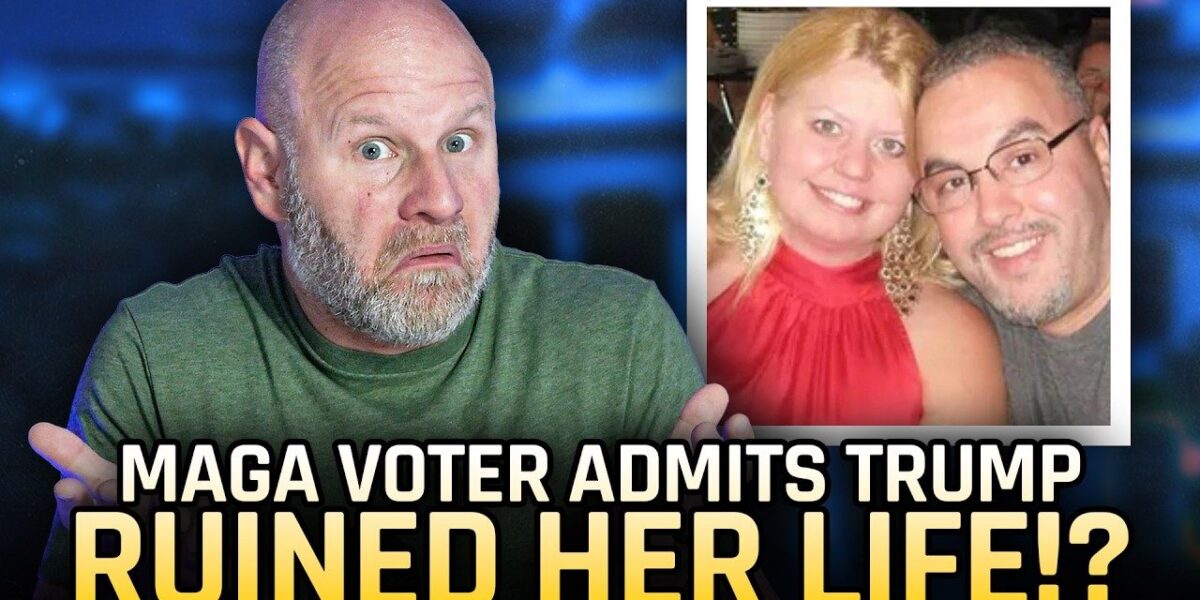
A New Jersey couple, formerly strong MAGA supporters, are speaking out after Donald Trump's immigration policies led to the husband's 108-day detention and current house arrest. Abdelatif Hafari, a legal resident for 38 years, was detained over a decade-old missed court date, resulting in job loss and severe personal distress for the couple.

New Jersey Couple’s Ordeal Highlights Unintended Consequences of Trump’s Immigration Policies
NEWARK, NJ – A New Jersey couple in their 60s, who were once staunch supporters of Donald Trump, have found their lives “ruined” after the former president’s immigration policies led to the husband’s prolonged detention and current house arrest. Abdelatif and Sandra Hafari, naturalized citizens who have lived in the United States for decades, voted for Trump in three consecutive elections, believing his rhetoric about targeting only “the worst of the worst” immigrants. Their experience, however, has led to a stark realization and regret over their political choices.
A Vacation Interrupted: Husband Detained for 108 Days
The ordeal began innocently enough as the Hafaris attempted to travel to Florida for a vacation from Newark Liberty International Airport. Abdelatif Hafari, who has been a legal resident of the U.S. for 38 years, was unexpectedly detained by authorities. He was held for 108 days without charge, moved between detention facilities in New Jersey, Louisiana, and Arizona, before being released on a $15,000 bond.
Decades-Old Oversight Leads to Devastating Consequences
The reason for Hafari’s detention stemmed from a missed immigration court date that occurred a decade prior. While this oversight had been rectified and he had lived without issue for ten years, it resurfaced due to Trump-era immigration enforcement. The missed court date, a “decades-old oopsydoo moment,” as described by observers, was re-evaluated, leading to his apprehension and subsequent detention. This bureaucratic oversight, amplified by stricter enforcement, has now left the Hafaris’ lives in disarray.
“To think we were MAGA. You said you were going after the worst of the worst, but instead you ruined our life.”
Life Under House Arrest: Loss of Livelihood and Freedom
Following his release, Abdelatif Hafari was placed under house arrest. He is now required to wear an ankle monitor, check in regularly with Customs and Border Patrol and ICE, and is unable to work. He lost his job as a concierge for a high-rise building in New York City, a position he held for years. The constant fear and uncertainty have taken a significant toll on his well-being.
“I would like to go back to work to feel normal again, to have my life back without all this fear and uncertainty,” Hafari stated, expressing a desire to reclaim the life that was disrupted by the prolonged legal and detention process.
Regret and Realization: A Shifting Political Stance
Sandra Hafari has publicly expressed deep regret for her past support of Donald Trump. “To think we were MAGA,” she lamented. “You said you were going after the worst of the worst, but instead you ruined our life.” Her sentiment reflects a broader disillusionment among some long-term voters who feel blindsided by the consequences of the policies they once supported.
The narrative highlights a common, yet often unacknowledged, aspect of immigration policy: that broad-stroke enforcement can ensnare individuals who have long been integrated into society. The Hafaris’ situation underscores the unintended consequences that can arise when political rhetoric translates into stringent, sometimes indiscriminate, application of the law. Their story is becoming increasingly familiar, featuring individuals who supported Trump, believing his policies would not affect them, only to find their lives upended.
Broader Implications: The Expanding Circle of Persecution
The case of the Hafaris serves as a cautionary tale about the nature of targeted policies. Observers note that groups designated for persecution often see that designation expand over time. The initial promise to target only “the worst of the worst” can, in practice, ensnare those who fall through bureaucratic cracks or whose past minor infractions are re-examined under new enforcement paradigms.
“If you’re voting for somebody because they say they’re going to persecute a certain group of people, please understand that that group of people, that very specific group of people, we’re only going to go after them. Never in history does it just stay to that group of people,” a commentator remarked, emphasizing the historical tendency for such policies to broaden their scope.
The Hafaris’ admission of being “duped” and their commitment not to support Trump again represent a significant shift. While their experience elicits sympathy, it also raises questions about the responsibility of voters to critically examine the potential ramifications of the policies they endorse. Their journey from MAGA supporters to victims of the policies they backed illustrates the complex and often unforeseen consequences of political action.
Looking Ahead: A Growing Trend of Disillusionment
As more stories emerge of long-time Trump supporters experiencing personal hardship due to his administration’s policies, the political landscape may continue to shift. The Hafaris’ case is likely not an isolated incident, and the willingness of such individuals to speak out could influence public perception and future voting patterns. The coming months will reveal whether this trend of disillusionment gains further momentum and how it might impact political discourse surrounding immigration and enforcement.
Source: Longtime MAGA Voter Admits Trump Ruined Her Life (YouTube)

Related Articles


Vance Urges Pope to Be Anchored in Truth; Critics Question Trump
Vice President J.D. Vance's call for the Pope to be "anchored in truth" has sparked debate, with critics questioning the consistency of this standard when applied to President Trump. The article examines numerous instances of alleged falsehoods attributed to Trump, suggesting a potential hypocrisy in demanding theological truthfulness from the Pope while overlooking perceived untruths in the White House. The core argument centers on the critical need for truthfulness in leadership, especially for those commanding immense military power.
Greenland’s Leader: Trump’s Threats Make Citizens Unsafe
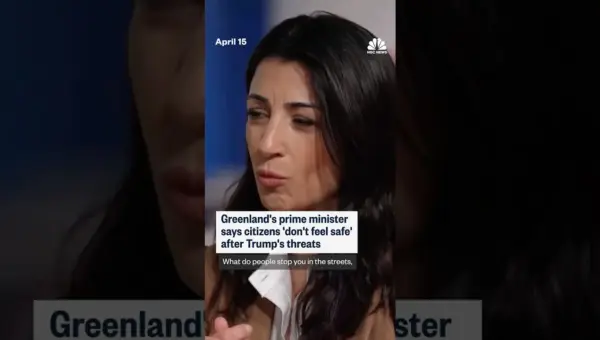
Greenland's Prime Minister revealed that citizens felt unsafe and angry after then-President Trump's 'threats' to buy the island. The comments highlight the human impact of geopolitical discussions on national sovereignty.

Iran Shuns Trump’s Deal Demands, Escalating Global Tensions
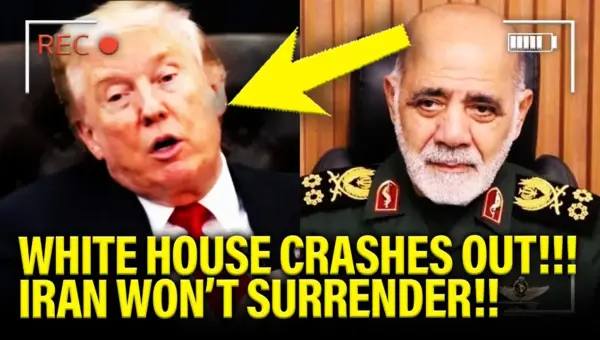
Iran has rejected President Trump's demands in ongoing negotiations, leading to heightened global tensions. Pakistan has stepped in as a mediator amid fears of escalating conflict. Meanwhile, the White House press briefings presented mixed messages on the economy and policy, facing scrutiny over strategy and communication.