Iran Celebrates Supreme Leader Khamenei’s Death, Faces Uncertain Future
Supreme Leader Ayatollah Ali Khamenei has been killed in joint US-Israeli strikes, sparking widespread celebrations among many Iranians who view his death as liberation. However, the nation faces deep uncertainty regarding succession, potential internal power struggles, and the threat of further regional escalation.

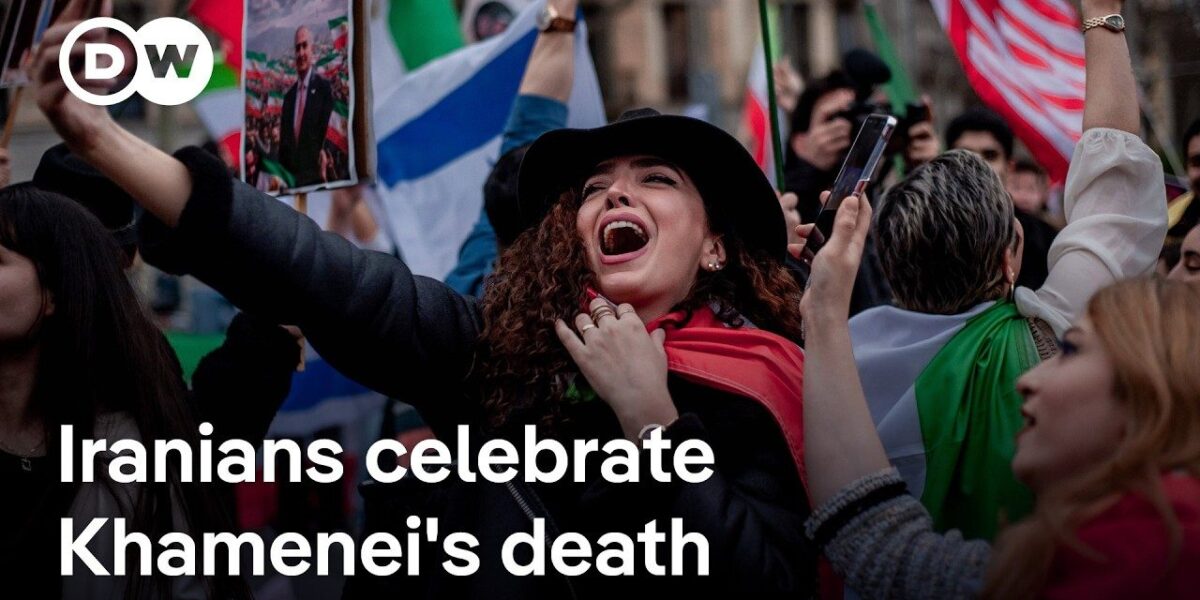
Iran Erupts in Jubilation and Fear After Khamenei’s Assassination
TEHRAN, Iran – The Islamic Republic of Iran was plunged into a state of profound upheaval and contrasting emotions following the confirmed death of its Supreme Leader, Ayatollah Ali Khamenei. The state television announced his demise, attributed to joint US and Israeli strikes, sending shockwaves across the nation and the international community. While many Iranians expressed unbridled joy and celebrated the end of Khamenei’s decades-long rule, others voiced deep-seated fears about the country’s future amidst a volatile geopolitical landscape and internal uncertainty.
Nation Divided: Celebrations and Mourning Grip Iran
Reports from within Iran indicate widespread celebrations in numerous cities, with citizens taking to the streets to express their elation. Social media platforms were flooded with videos of people dancing and cheering, marking what many described as the end of a “dark chapter” in Iran’s history. Families of those who perished during protest crackdowns and regime suppression shared messages of relief and happiness, holding Khamenei directly responsible for their losses. The sentiment was captured by many online posts simply expressing joy and the fulfillment of a wish to see the “dictator” gone.
Conversely, in Tehran and other cities, supporters of the Islamic Republic gathered for somber mourning ceremonies, chanting slogans and vowing revenge for the attacks that claimed the lives of Khamenei and other senior leaders. State media broadcast images of these pro-regime rallies, underscoring the deep divisions within Iranian society.
“Millions of Iranians are incredibly happy. For many people, the name of Ali Khamenei is tied to a dark chapter in the history of Iran. And now they are glad that he’s no longer there.”
Nilofar Golami, DW’s Persian service, described the scene, noting the palpable sense of happiness among a significant portion of the population.
Succession Uncertainty and Fears of Escalation
The death of Ayatollah Khamenei has thrown the question of succession into sharp focus. While the regime has not officially named a successor, Ali Larijani, Secretary of the Supreme National Security Council, and Kalibuff, Speaker of the Parliament, are reportedly emerging as key figures. According to reports, a temporary leadership council is expected to be formed to select the next Supreme Leader, a move that aligns with prior directives attributed to Khamenei himself.
However, amidst the political maneuvering, a pervasive sense of anxiety about the future looms large. Fears are circulating about potential scenarios mirroring Venezuela, where elements of the Revolutionary Guard could consolidate power, imposing an even more stringent security apparatus and perpetuating the Islamic Republic in a modified form. The possibility of continued US and Israeli strikes adds another layer of uncertainty.
Ibrahim, head of DW’s current affairs team, emphasized that while Khamenei’s death is a “massive blow” to the Islamic Republic, it does not automatically signify regime change. He highlighted the role of a temporary council comprising the President, head of the judiciary, and another official, who will govern until the Assembly of Experts convenes to elect a new Supreme Leader.
Regional Ramifications and Diplomatic Tensions
The strikes have also had significant repercussions for Gulf States, many of which host US military assets and have found themselves caught in the crossfire. While some Gulf nations have maintained relatively good relations with Iran, others have experienced long-standing tensions. The recent attacks have heightened security concerns, threatening the stability and economic prosperity that these nations strive for. The unfolding events have complicated delicate diplomatic efforts, including ongoing mediation talks between the US and Iran over the nuclear program.
The situation places Iran’s proxies, such as Hezbollah, in a precarious position. Previously, senior Hezbollah officials had indicated that while limited US strikes might not trigger intervention, Khamenei’s life being under threat would be a red line. With his death, all eyes are now on Hezbollah’s response, though the organization is reportedly weakened following its conflict with Israel.
The Nuclear Question and Future Trajectory
The strikes also raise questions about Iran’s nuclear program. While the extent of damage to nuclear facilities remains unclear, it is understood to have been a high-priority target for the US and Israel. Experts suggest that any further pursuit of nuclear weapons by Iran would almost certainly guarantee further escalation and potentially regime destruction, urging transparency with the IAEA.
Furthermore, the prospect of Iran rebuilding its missile and drone programs, even if its nuclear infrastructure is dismantled, remains a significant concern for regional stability. Gulf states, in particular, have voiced opposition to Iran’s missile capabilities, fearing continued threats to their sovereignty and security. The current volatile climate underscores the urgent need for de-escalation and renewed diplomatic engagement.
A Critical Juncture for Iran’s Opposition
As Iran navigates this critical juncture, the path towards genuine freedom or democracy remains fraught with challenges. The complete collapse of the Islamic Republic is seen as a prerequisite, yet the security and military forces remain firmly in control. Analysts suggest that this moment presents a crucial opportunity for various opposition groups to engage in dialogue and forge a unified path forward.
Failure to unite and present a cohesive vision could allow the remnants of the ruling establishment to weather the crisis and potentially consolidate power, thereby squandering a “golden opportunity” for fundamental change. The coming days and weeks will be pivotal in determining whether Iran moves towards a new era or remains entrenched in its current political structure, albeit under new leadership.
Source: How people in Iran are reacting to Khamenei's death | DW News (YouTube)

Related Articles
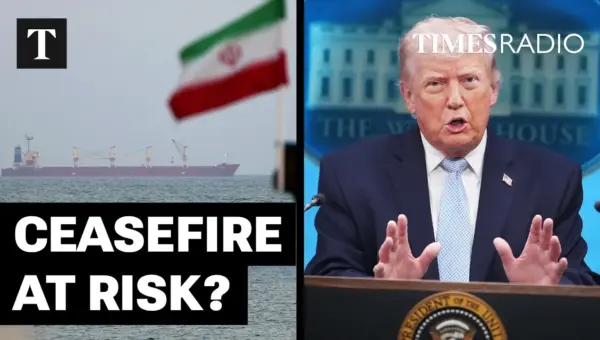
Iran Ceasefire Risks Spiraling Out of Control Amid Talks
A fragile ceasefire between Iran and the US, expiring in two weeks, faces major risks of collapse. Ongoing back-channel talks are attempting to bridge gaps, but experts warn that even minor incidents could easily escalate. The US naval blockade adds another layer of tension, with China watching closely but appearing hesitant to intervene.

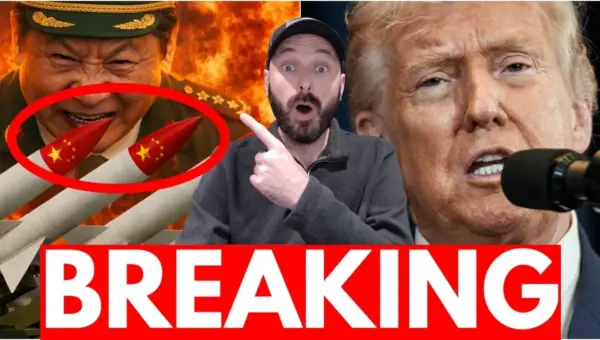
China’s Iran Gambit: Deception or a New World Order?
President Trump claims China will stop sending weapons to Iran, but deep skepticism remains due to China's past support and use of spy satellites to aid Iran. This move could be a strategic ploy to weaken the US military.
China Aids Iran Amid US Conflict Escalation
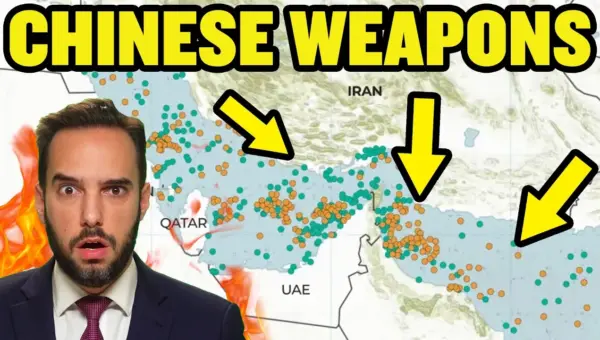
Recent intelligence suggests China is secretly supplying Iran with weapons like MANPADS and sharing critical intelligence, a significant escalation from its previous stance. This move, if confirmed, could deepen regional conflict and lead to severe US economic retaliation, while highlighting long-standing strategic ties between Beijing and Tehran.